A growing group of young users is calling for a return to simpler social media. They want feeds that make sense, filters that are fun, and fewer rules. The push is gaining steam on TikTok and Instagram, where creators showcase a pre-algorithm vibe. The trend reflects concerns about mental health, design choices, and how platforms changed over the last decade.
A Nostalgia Cycle Finds New Fuel
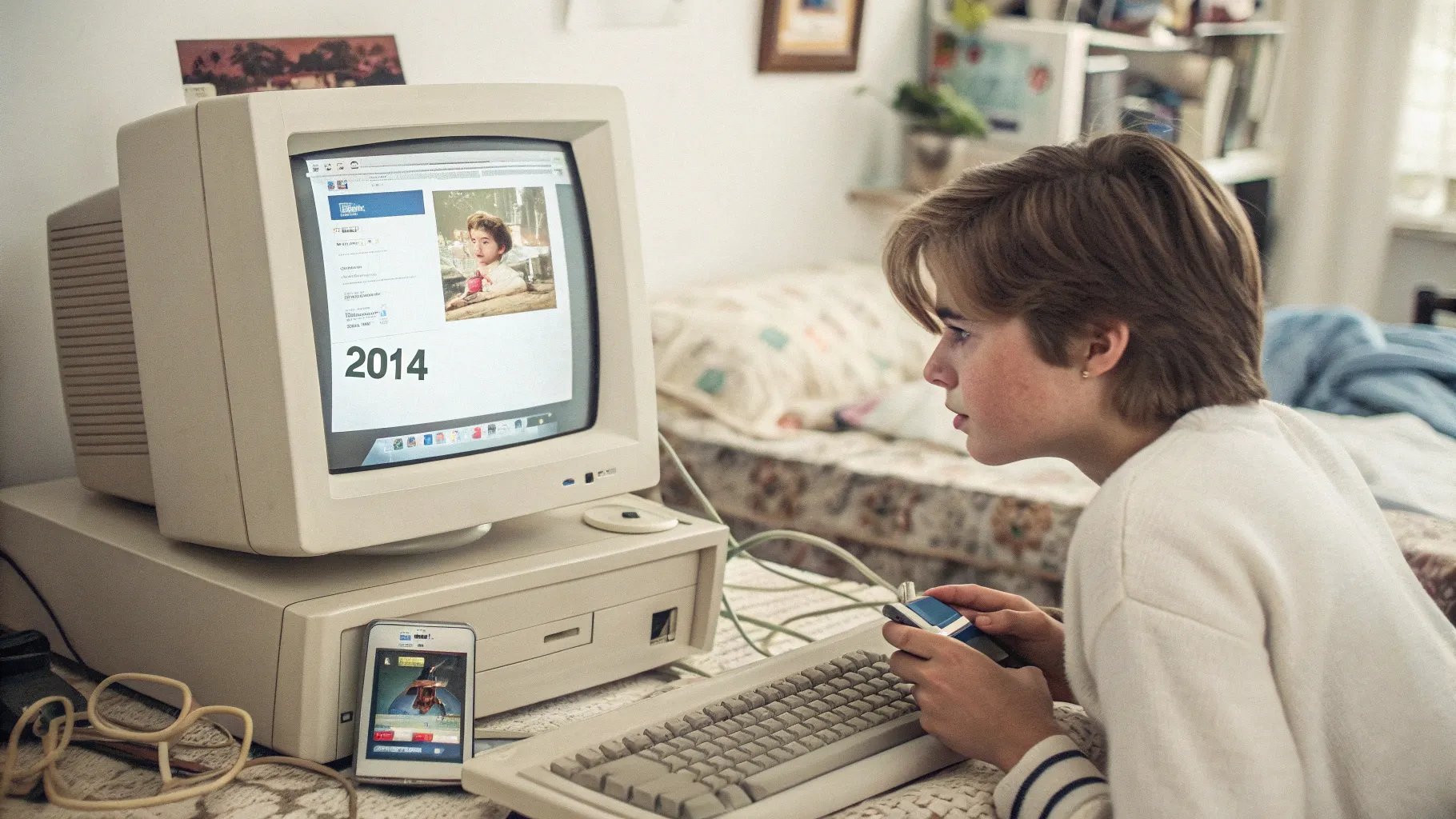
Every generation romanticizes the recent past. For Gen Z, that past looks like 2014 to 2017. It was a time of casual posts, goofy effects, and less pressure to perform. Some call it “2014core,” a style built on low-stakes sharing and messy, candid photos. The look is spreading in fashion and music feeds too.
“Fidget spinners, filters and feeds that worked. Why are young people pining to go back a decade?”
Viral clips compare today’s constant optimization with earlier norms. Back then, users say, it felt easier to be online without gaming the system. They remember timelines that showed friends first and trends that felt smaller and lighter.
What Changed in the Feed
Major platforms shifted from strict chronological timelines to algorithmic ranking in the mid-2010s. Instagram adopted an algorithmic feed in 2016, later adding options to sort posts but keeping recommendations at the center. TikTok’s rise made “For You” streams the default model for discovery.
That shift shaped how people post. Content became polished and planned. Creators tracked watch time, hooks, and posting cadence. Casual sharing moved to private stories and close friends lists. Public feeds turned into performance spaces.
- Chronological feeds gave way to algorithmic ranking.
- Recommendation-heavy design increased time spent and viral churn.
- Posting felt higher stakes, with metrics driving behavior.
For many teens, the internet also became more fragmented. They juggle multiple accounts, private groups, and niche communities. That can be fun, but it adds work to stay visible and connected.
Mental Health and Algorithm Fatigue
The U.S. Surgeon General issued an advisory in 2023 warning about social media’s risks for youth mental health. Researchers have pointed to sleep disruption, social comparison, and addictive design patterns. Many young people say the issue is not social media itself. It is how feeds reward certain behavior and keep users scrolling.
Pew Research Center surveys in 2022 found nearly all U.S. teens use YouTube, with large shares on TikTok, Instagram, and Snapchat. Heavy use brings connection and creativity. But it also brings pressure to post, track metrics, and avoid missing out. The nostalgia trend can be read as a pushback against those forces.
Creators describe “algorithm fatigue,” a mix of stress and guesswork. They chase what the feed seems to prefer, only to find the rules shift. That feeling drives interest in lower-key platforms and chronological options.
Platforms Respond and What Comes Next
Social companies have noticed. Instagram restored ways to follow a chronological view in 2022, though recommendations remain common. Apps like Lapse and BeReal promised casual sharing with fewer filters and daily limits. Reddit and Discord communities offer smaller spaces for interest-based chats.
Brands are adjusting content too. Many now post “unpolished” clips meant to feel spontaneous. Some encourage behind-the-scenes looks and photo dumps. The goal is authenticity, though users often spot when it is staged. The push-pull between performance and real life continues.
Analysts expect the nostalgia wave to shape product design. Features that reduce pressure could gain favor: limited metrics, easier privacy controls, and true chronological modes. Clear labels on recommendations may help users understand why they see certain posts.
Still, algorithms are central to how platforms make money. They drive engagement and ads. That tension will define the next phase of social media. Users want comfort and control. Companies want scale and stickiness.
The call to “make feeds work again” signals a larger choice. If platforms reward everyday moments, people may share more freely. If they keep favoring spectacle, nostalgia will keep growing. Watch for apps that put friends first, give users control, and keep posting low-pressure. Those products may set the tone for the next decade online.

Senior Software Engineer with a passion for building practical, user-centric applications. He specializes in full-stack development with a strong focus on crafting elegant, performant interfaces and scalable backend solutions. With experience leading teams and delivering robust, end-to-end products, he thrives on solving complex problems through clean and efficient code.