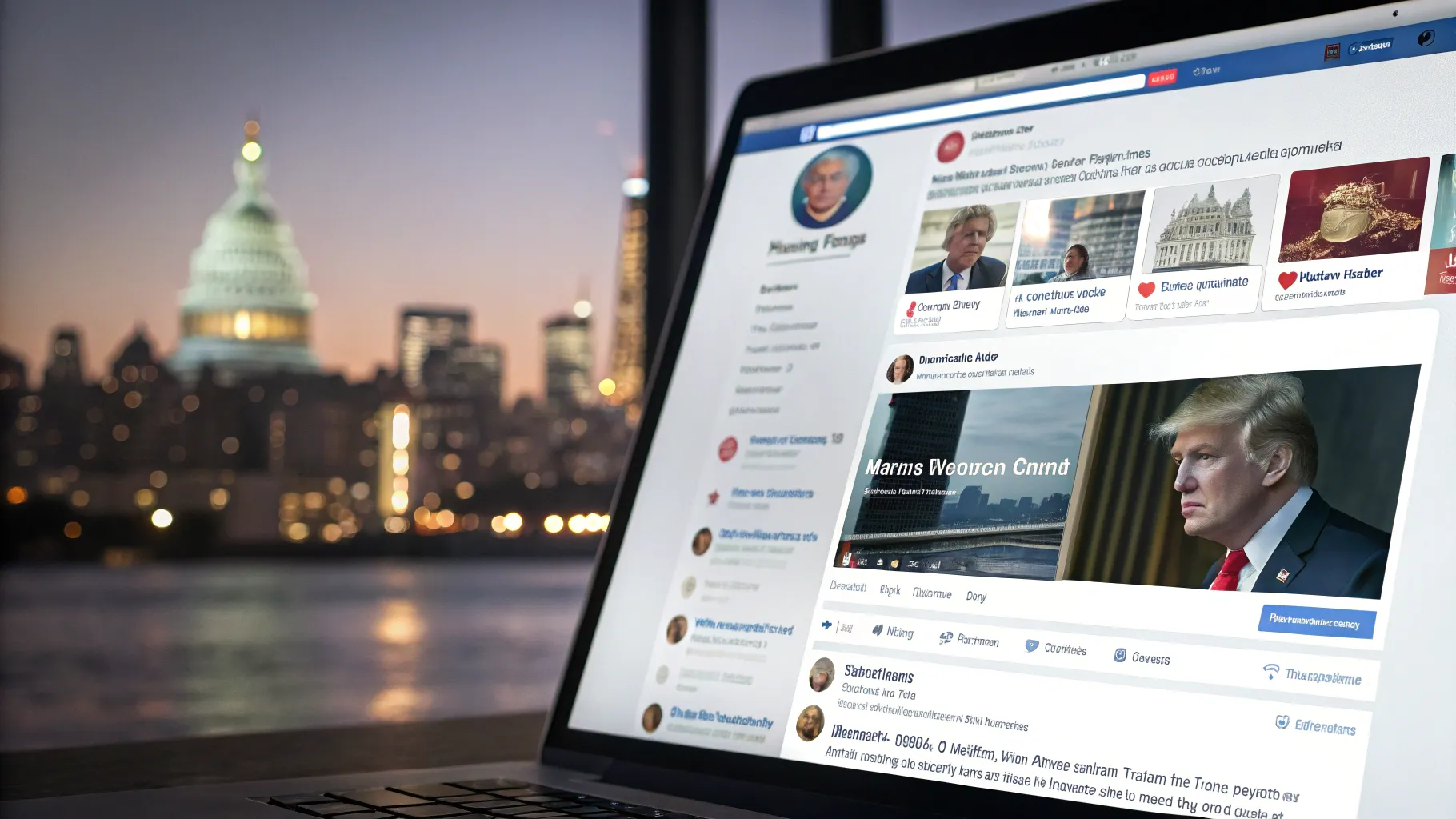
A weekend update on X surfaced an unexpected pattern: dozens of high-profile pro-Trump accounts appear to be operated from outside the United States. The finding raised fresh concerns about authenticity and election-season influence. It also put pressure on the platform to explain how it verifies location signals and enforces its rules.
Early user checks showed several accounts, which present themselves as American, carrying indicators that tie them to other countries. The accounts promote domestic U.S. political content and often claim ties to U.S. communities. The new discovery led to calls for clearer disclosures, stronger moderation, and better tools for users to judge credibility.
What The Feature Shows
“A new X feature over the weekend revealed that dozens of pro-Trump accounts with large followings are not US-based, despite content and bios suggesting otherwise.”
The update appears to surface location-related metadata that was less visible before. Users reported finding cues that an account’s activity originated abroad, even as bios and posts framed the voices as local. Some accounts had hundreds of thousands of followers and high engagement.
Location signals on social platforms can reflect many factors, from device settings to network routes. That makes them helpful, but not flawless. Experts caution that a foreign location does not prove coordination or illegal activity. It does, however, raise questions about transparency and audience targeting.
Why Location Labels Matter
Social networks have long struggled with cross-border political messaging. Since 2016, U.S. officials and researchers have documented foreign online influence campaigns that sought to shape political views. Platforms have added labels, ad archives, and disclosure tools to reduce hidden influence.
When accounts present as local but post from abroad, audiences can be misled about their ties to the communities they discuss. That matters for trust, especially in a heated election cycle. It also matters for policy enforcement, because some platforms treat foreign political influence differently from domestic activism.
Policy and Platform Responsibilities
X has policies on spam, deceptive activity, and political advertising. It also provides badges and labels for state-linked media and paid promotions. The weekend discovery centers on organic posts, not ads, which are harder to monitor and label.
Key questions now face the platform:
- Will X add clearer labels for accounts with location signals outside the audience they claim?
- How will it handle accounts that present as U.S.-based while posting abroad?
- What appeal or verification process will it offer for mistakes?
Transparency is only useful if it is accurate and understandable to regular users. If the feature sometimes misreads location, the platform will need disclaimers and quick correction tools. If it is reliable, consistent labels could help users make faster judgments about credibility.
Researchers and Campaigns Weigh Risks
Researchers note that foreign-operated accounts can amplify narratives that already exist inside the U.S. That blend makes source detection harder. It also makes content feel more authentic than it is.
Political campaigns say the new signals could cut both ways. They may help staff spot inorganic engagement and plan outreach tied to real voters. But they can also fuel confusion if false flags lead to wrongful takedowns or harassment of legitimate users abroad.
Free speech advocates warn against sweeping bans. They argue that people outside the U.S. have a right to discuss American politics. The line, they say, should be drawn at deception, coordinated manipulation, or violations of election rules.
What Users Can Do
Users can reduce risk by checking for consistency across an account’s profile, posts, and interactions. Reverse image searches, follower audits, and checking post times can reveal patterns.
Be cautious with accounts that:
- Claim deep local ties but never post original local images or videos.
- Have sudden spikes in followers with few reciprocal connections.
- Post at hours that do not fit the claimed time zone.
The weekend reveal points to a larger challenge: the gap between how online voices present themselves and where they operate. It also shows how small product changes can reshape what users learn about the accounts they follow. The next steps will depend on how X labels, explains, and enforces the findings. Clear standards, fair appeals, and accurate disclosures will be key. With the campaign season heating up, observers will watch whether the platform tightens rules on deceptive identity signals and whether users become more cautious about who they amplify.

A seasoned technology executive with a proven record of developing and executing innovative strategies to scale high-growth SaaS platforms and enterprise solutions. As a hands-on CTO and systems architect, he combines technical excellence with visionary leadership to drive organizational success.