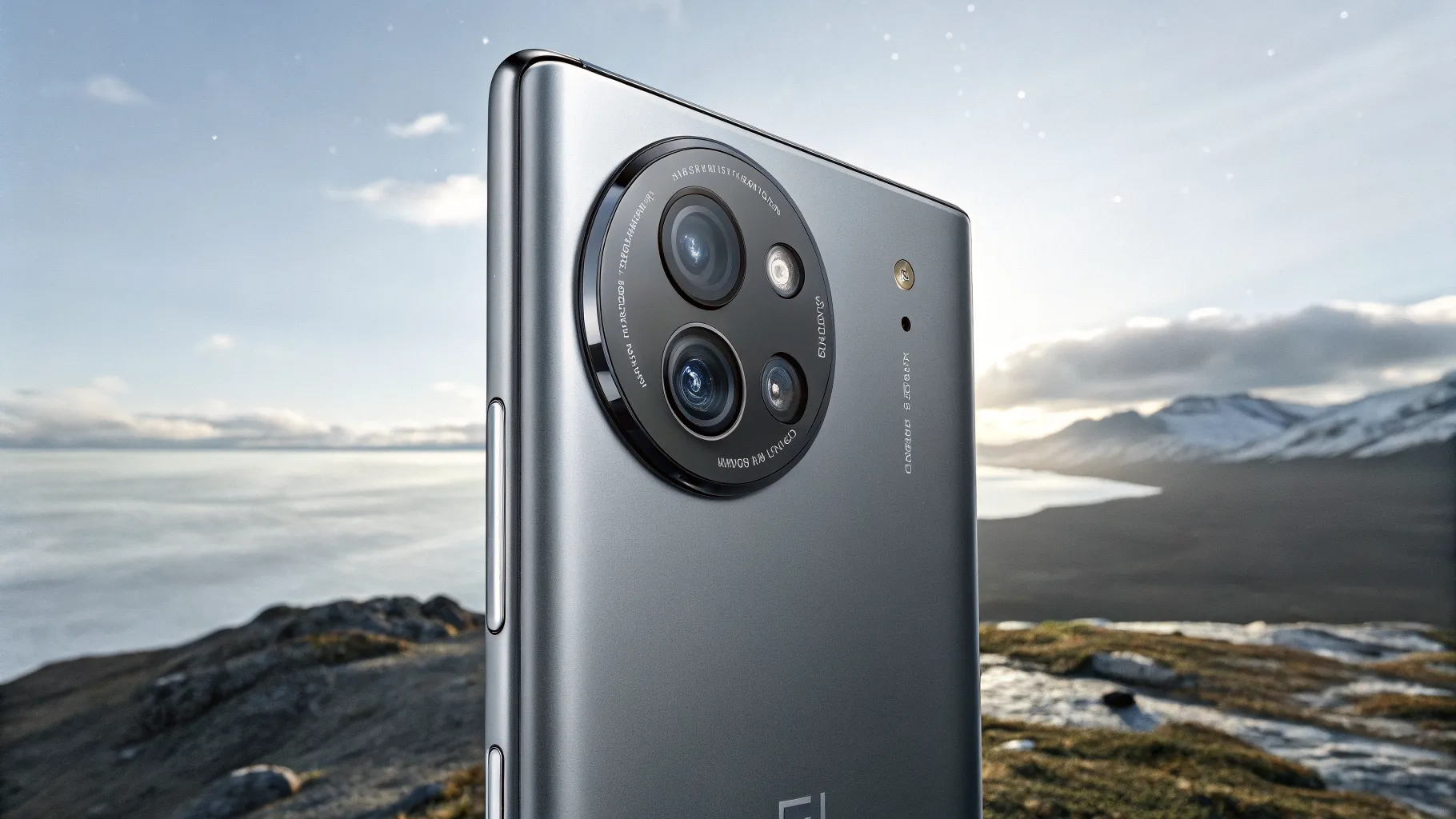
The Xiaomi 17 Ultra puts camera customization at the center of its pitch, highlighting preset filters and support for hardware add-ons that let users fine-tune how they shoot. The focus signals where phone makers see demand growing: creators and enthusiasts who want more control without carrying a separate camera.
While full details are still scarce, the approach speaks to a broader push in mobile imaging. Companies are trying to stand out with tools that go past point-and-shoot. That includes tuned color profiles, granular controls, and accessories that change how a phone captures light.
A Push for Custom Control
For years, phones have competed on megapixels and sensor size. Now, the fight is shifting to how much control users have over the look of their photos. Preset filters aim to deliver a consistent style in one tap. Hardware add-ons can shape the image before it hits the sensor, something software cannot fully replace.
“The Xiaomi 17 Ultra gives you a ton of options to play around with images, including preset filters and hardware add-ons.”
This statement points to a strategy built around flexibility. It suggests that the phone will cater to both quick social posts and more measured, stylized work.
Why Filters and Add-Ons Matter
Preset filters provide a shortcut to a certain look. They can keep a photo series consistent, which is valuable for creators who curate a specific style. If implemented well, filters can be applied without crushing detail or shifting skin tones too far.
Hardware add-ons could include lens attachments, grip accessories, or filter mounts. These change how light enters the camera. A neutral density filter helps with video in bright sun. A macro attachment can tighten focus distance. A grip adds stability for longer shoots.
- Preset filters speed up consistent styling.
- Lens or filter attachments shape light before capture.
- Grips and rigs improve handling for video.
Benefits and Trade-Offs
More options can raise the ceiling on image quality and style. Photographers who understand exposure and color will appreciate physical filters and manual-like controls. Video creators may benefit from steadier handling and accessory mics.
There are trade-offs. Extra gear adds cost and bulk. Some attachments block cases or make the phone less pocketable. A wide set of controls can overwhelm casual users who just want a sharp photo. Battery life may dip if advanced processing is used heavily.
There is also the question of compatibility. Third-party ecosystems thrive when mounts and threads follow common standards. If Xiaomi limits support to a narrow set of accessories, choice could suffer. If it opens the door to common sizes and clear documentation, accessory makers usually respond.
Industry Context and User Expectations
Surveys often rank camera quality near the top of buying factors for new phones. Social platforms have raised the bar for color, dynamic range, and stabilization. As a result, brands now sell not just sensors and lenses, but the look of their images.
Preset filters reflect that shift. Many users want a filmic or documentary tone without editing for hours. If filters are adjustable and non-destructive, they can serve both entry-level users and experts who edit in RAW.
Hardware add-ons recall the rise of modular photography on phones from years past. The difference now is that sensors and image pipelines are stronger, so accessories can refine results rather than fix core gaps. The 17 Ultra’s direction suggests Xiaomi sees value in marrying strong base hardware with optional gear.
What to Watch Next
Key questions remain. Will filters apply to both stills and video with the same color science? Can users save and share custom looks? How well will the camera handle mixed lighting, where many filters struggle?
On the hardware side, clarity on mounting systems, supported brands, and durability will matter. Creators will look for minimal vignetting, secure attachment, and no significant hit to autofocus or stabilization. Pricing for official accessories could tip the balance for buyers.
The message is clear: Xiaomi wants the 17 Ultra to be a flexible tool for imaging. If execution matches the promise of “a ton of options,” it could appeal to both casual shooters who like quick styles and enthusiasts who want physical control. The next reveal to watch will be how these features integrate into daily use, from pocket to post.

Kirstie a technology news reporter at DevX. She reports on emerging technologies and startups waiting to skyrocket.