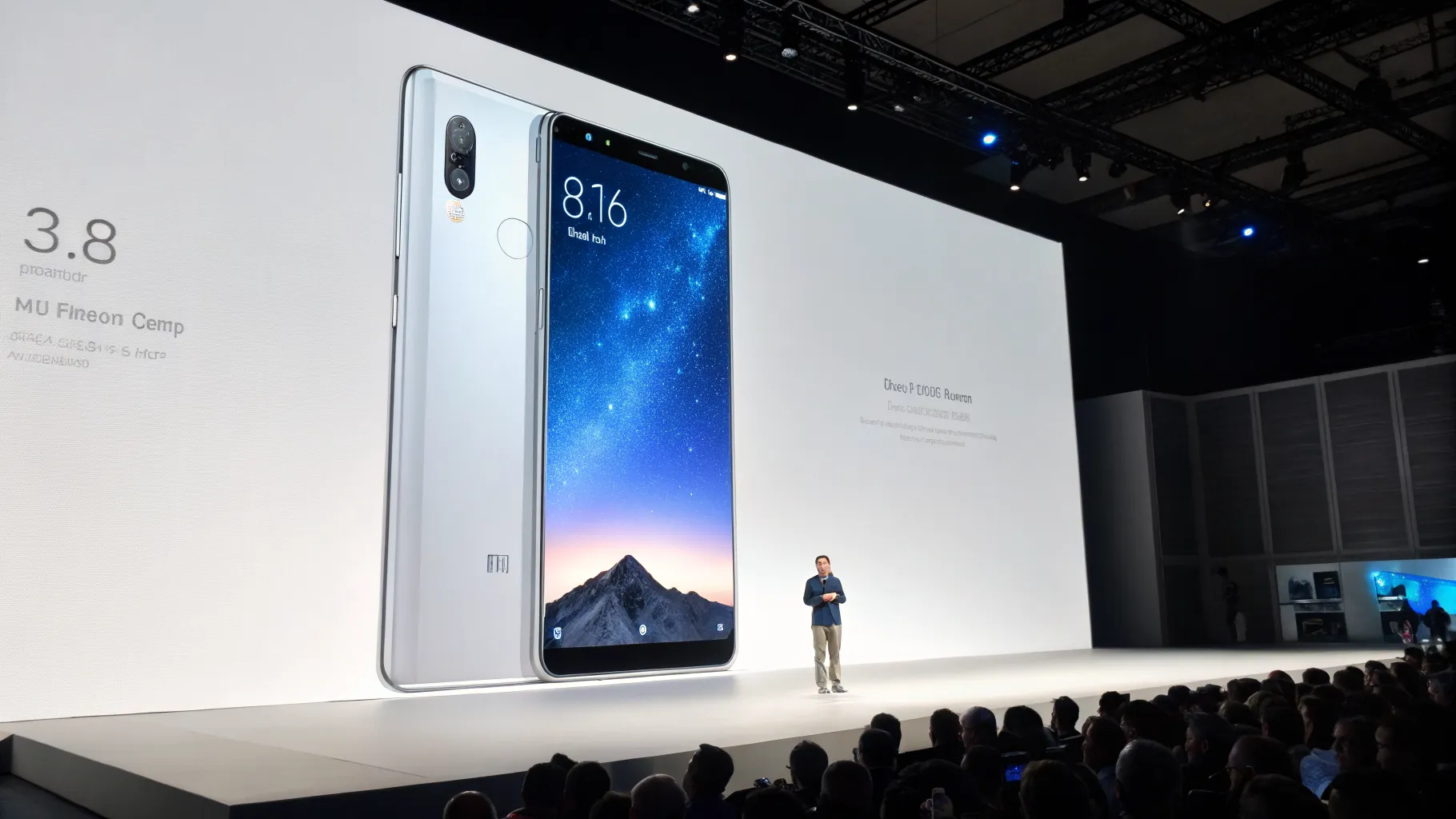
Xiaomi used its Mobile World Congress showcase in Barcelona to signal its next phase in phones, software, and connected devices. The company outlined new hardware and software updates, timing for global releases, and a tighter link between its mobile ecosystem and smart home products. The event set expectations for the year ahead and framed how Xiaomi plans to compete in Europe and other key markets.
Why This Matters Now
MWC is a global stage where phone makers seek attention from carriers, retailers, and tech press. Xiaomi’s announcements come as competition intensifies across Android brands and as pricing pressure remains high. The company is seeking growth in premium phones while protecting share in midrange devices. It is also pushing software updates to keep users in its ecosystem longer.
What Xiaomi Emphasized
The presentation focused on three themes: camera upgrades in flagship phones, speed and battery improvements, and tighter links between phones, wearables, and home devices. Software refinements also took center stage, aimed at smoother performance and longer support windows.
- Flagship imaging and performance as a central selling point
- Faster charging and battery longevity
- Ecosystem polish across phones, wearables, and smart home gear
- Software updates designed for stability and cross-device features
Background: Xiaomi’s Playbook at MWC
Over the past few years, Xiaomi has used MWC to bring its latest flagships to global markets after initial launches in China. Past shows have paired premium phones with watches, bands, and smart home announcements, reflecting a strategy to bundle value and keep average selling prices competitive. The approach has helped Xiaomi win share in several European countries, though it faces stiff headwinds from rivals focusing on camera quality, long-term software support, and AI-assisted features.
Industry data shows European smartphone shipments have been pressured by longer replacement cycles. That makes standout features and clear pricing more important. Xiaomi’s event messaging aligned with this reality, leaning on visible upgrades users can feel right away, such as camera tuning and charging speed, while promising better day-to-day reliability from software.
Devices and Software: The Big Bets
Xiaomi’s flagship push revolves around optics and image processing. The company has invested in larger sensors, improved stabilization, and low-light performance. It also highlighted color accuracy, faster shutter response, and portrait tuning, which are frequent pain points for mobile photographers.
Battery life and charging were another focus area. The company pointed to improvements in power density and thermal management to keep performance steady. Faster wired and wireless charging remain a hallmark of Xiaomi’s premium and upper-midrange lines, paired with battery health features to slow long-term wear.
On software, Xiaomi emphasized cleaner navigation, privacy controls, and better continuity between devices. Cross-device features like shared clipboard, quick photo transfer, and notification sync received stage time. The goal is to make a watch or tablet feel like a natural extension of the phone without complex setup.
Ecosystem and Wearables: Lock-In Through Convenience
Wearables and smart home devices are central to Xiaomi’s growth plan outside China. At MWC, the company pushed tighter pairing flows, unified settings, and consistent design across apps. Small refinements, such as faster pairing animations or clearer battery estimates, can increase satisfaction and reduce returns. Xiaomi appears to be betting that convenience, not just sensor specs, will keep users from switching brands.
Market Impact and What To Watch
For carriers and retailers, the message was clear: Xiaomi is doubling down on premium features without abandoning aggressive pricing. That may pressure rivals in the midrange and force more generous trade-in offers. For consumers, the near-term impact is a broader set of devices with faster charging, better cameras, and smoother cross-device use.
Key variables to track in the months ahead include regional pricing, the length of software support, and the real-world gains from imaging updates. Carriers will also watch return rates, which can climb if software polish lags behind hardware promises. If Xiaomi delivers on stability and timely updates, it could win new premium users, especially in markets where it already has strong retail presence.
Xiaomi’s MWC message can be summed up as steady refinement with a focus on daily benefits. The company is aligning its phones, wearables, and home devices to work better together, while pushing visible upgrades in cameras and charging. The next test will be hands-on reviews and carrier feedback as global sales begin. Expect availability details and pricing to shape reception, but the direction is set: practical upgrades and ecosystem polish to hold and grow share this year.

A seasoned technology executive with a proven record of developing and executing innovative strategies to scale high-growth SaaS platforms and enterprise solutions. As a hands-on CTO and systems architect, he combines technical excellence with visionary leadership to drive organizational success.