If you web scrape, you know how important proxies are. Proxies mask your IP address. They help you avoid blocks while gathering data from websites. But with so many proxy types out there, choosing the right one is key. Datacenter proxies are usually the best option. But are they the best choice? Let’s break down datacenter proxies. You could explore proxies from various providers or check a reliable proxy list to find the most suitable option for your needs.
What Are Datacenter Proxies?
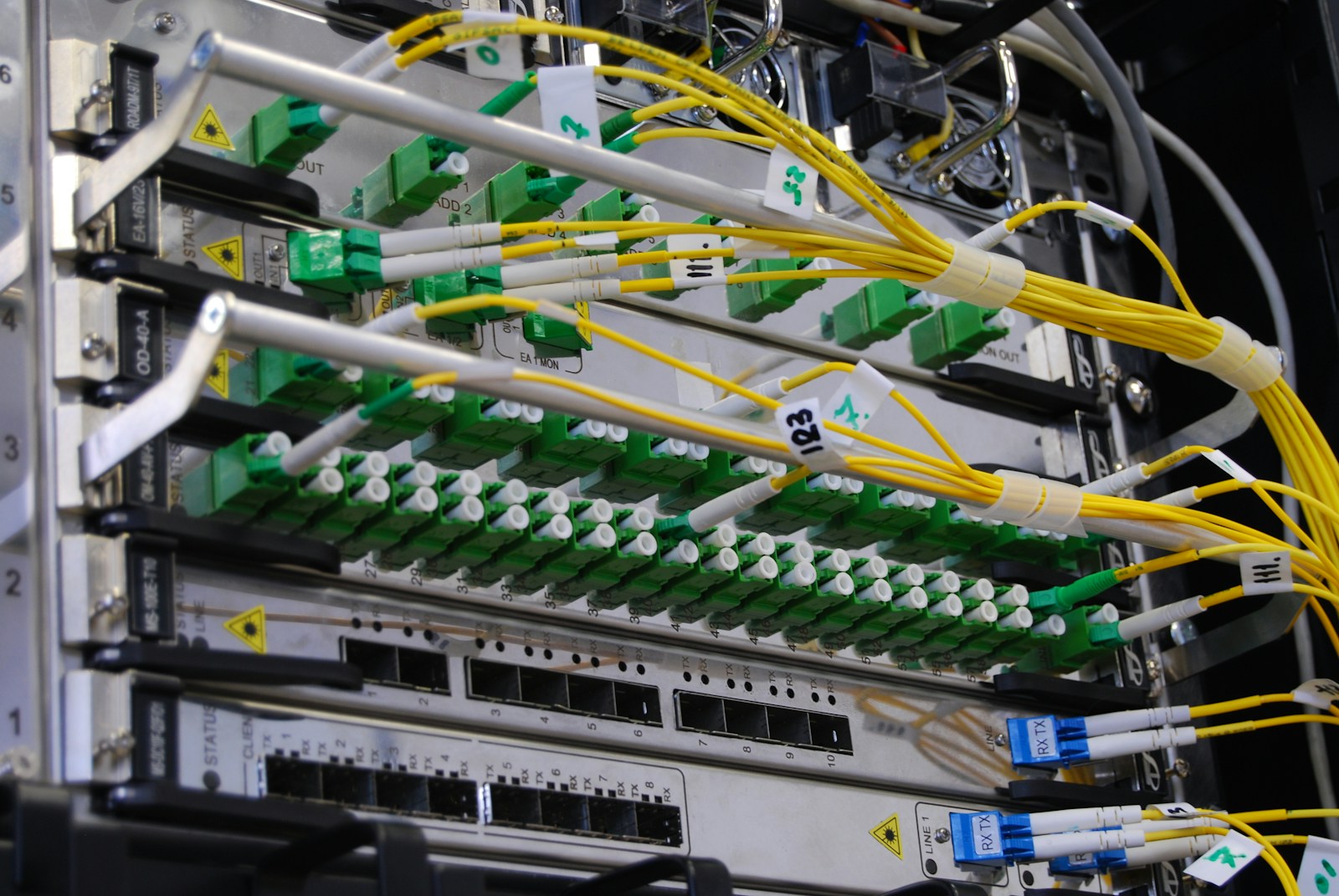
Datacenter proxies are IP addresses generated by powerful servers in large data centers. They are computer-generated identities. They make your requests look like they come from a different place.
Datacenter proxies are not linked to real devices. So, they are fast, easy to set up, and cheap. They are popular for fast tasks, like scraping data, prices, or reviews from websites. Yet, as they aren’t tied to actual devices, sites with advanced security may flag or block them.
The Pros of Datacenter Proxies for Web Scraping
- Speed and performance datacenter: In most cases, proxies will outperform other kinds. Their powerful servers can handle many requests, making them ideal for heavy-duty scraping projects.
- Affordability: If you’re on a budget and need a large number of IPs, datacenter proxies can provide more coverage at a lower cost.
- Consistent Availability: If a user is using datacenter proxies, they do not need to wait for an ISP, so they’re always available. This ensures that fluctuating usage does not delay or slow the app, which may affect some other proxy categories.
The Cons of Datacenter Proxies
- Easier to Detect: Due to this, datacenter proxies are much more challenging to detect. Websites generally detect datacenter proxies due to their basic nature (in the case of datacenter proxies) or due to technologies that are particularly developed to block scraping. This has resulted in some sites increasing their security measures, and if you happen to log into the same account using the same IP as before, you are pretty much flagged—which can result in bans.
- Not Suitable for All Websites: Social media and e-commerce sites hate data scraping. They have stricter security and will probably filter datacenter proxies. So, if you’re scalping data from such sites, this can be difficult.
- Lower Success Rate on Secure Sites: Datacenter proxies will often get a lower success rate on secure, privacy-focused sites. This further complicates any attempt to use datacenter proxies for complicated data collection either high-level or sensitive data collection.
Why consider region-specific proxies?
If you’re gathering data from a region, using local proxies can help. Region-specific proxies provide a local presence. They help access regional content without raising security alerts.
- Local Access: With proxies that match your target region, you appear to be in that area. This can lower the chances of sites sensitive to foreign IPs flagging or blocking you by a large amount.
- High Anonymity: High-anonymity proxies make it harder for websites to detect scraping attempts. This higher security helps to gather data on sites with strict detection.
- Reliable Performance: Paid proxies are often faster and more reliable. This is the type of reliability you need for significant tasks or emergency data gathering. Because they want to ensure their proxies actually work, providers are more likely to only maintain high-quality proxies. Minimizes delays and disruptions.
- Enhanced Security: Paid proxies also have the advantage of added security. Periodic servicing and updating of these proxies help avoid incidents of flagging, crashing, or hacking. This is a significant upkeep from the perspective of those scraping sensitive and/or large-scale data.
Why Paid Proxies Outshine Free Proxies
Free proxies sound great as they come free of cost. But, they have severe limitations. First, they tend to be very slow and congested, which could hinder your scraping. Many free proxies are easier to hack. They do not have the same maintenance and support as paid proxies.
Paid proxies are quicker and more stable. They are run by professionals, who keep it safe but available. It is imperative for scraping sensitive or large-scale data. They have to maintain consistency and security.
Final Thoughts
For successful scraping, you need to choose the right proxy to use. However, they have difficulties with secured sites. They also provide improved security. Your scraping requirements determine the best proxy. For projects needing regional accuracy or access to secure sites, use local, high-anonymity proxies.

Kyle Lewis is a seasoned technology journalist with over a decade of experience covering the latest innovations and trends in the tech industry. With a deep passion for all things digital, he has built a reputation for delivering insightful analysis and thought-provoking commentary on everything from cutting-edge consumer electronics to groundbreaking enterprise solutions.