Data is the lifeblood of today’s modern applications. With the constant growth of web information, developers face the tough job of organizing and leveraging this knowledge. However, despite the overwhelming volume, data is essential for creating dynamic, responsive apps that adapt to user personalization. Smarter data handling introduces techniques for developers to efficiently use to enhance how apps perform and provide unique experiences.
The web is rich with data from diverse sources, such as user interactions, bot connections, social media, and IoT devices, each contributing unique contextual details. For developers, abundance can present challenges in extracting meaningful insights, especially if they aren’t using automation for processing.
In this article, we will dive deeper into smart data management and extraction techniques that will help you enhance the functionality and performance of developed applications. Here, we will discuss practical cases. For example, SERP scraping API solutions have become common tools for information extraction, as combining them with automatable steps helps developers track changes and even execute updates when acquired data significantly affects the platform’s functionality. To learn more about SERP scraping API, read this. For now, let’s take a closer look at the necessity of data management in modern applications.
Introducing Smarter Data Handling
Ever since the emergence of the internet, digital data has become the primary component that fuels innovation. Applications today are expected to be intelligent, and achieving this level of sophistication requires a robust data management strategy that can handle large datasets efficiently and effectively.
To meet the demands of today’s applications, developers need to embrace more imaginative ways of handling data. This involves more than just gathering and storing information; it means actively analyzing and using it to enhance how apps perform and function. By adopting these smarter techniques, developers can spend more time on creative innovation and less on routine data tasks. This not only makes the development process smoother but also helps deliver better user experiences, giving their apps a competitive edge.
Enhancing Performance and Functionality Through Data Collection
Efficient data collection is key to smarter data handling. By gathering the right data, developers can understand user behavior, see how well their apps are performing, and spot market trends. Tools like data scrapers and SERP scraping APIs use efficient algorithmic automation to quickly turn these insights into concrete actions, decisions, and updates. This valuable information helps developers fine-tune app features, boost user engagement, and support business growth.
Practical Data Collection Use Cases
Internal Data Collection – Monitoring User Interactions
Understanding how users interact with an application is crucial for improving its design and functionality. By carefully monitoring user interactions through sophisticated tracking tools, developers can gain deep insights into user behavior, identify specific pain points, map complex user journeys, and collect nuanced feedback that enables data-driven design improvements and feature enhancements. Here are a few examples of popular tools for smart data handling:
- Google Analytics. Tracks website visitors in real-time, providing a heat map for developers to analyze your visitors’ geolocation distribution and referral sources. This helps developers understand user preferences and behaviors, allowing them to tailor app features and content to better meet user needs and enhance engagement.
- Hotjar. This tool focuses on visualization techniques for a more detailed analysis of what users interact with the most. With close attention to detail for recorded user sessions. It helps developers pinpoint exactly where users engage or struggle, thus enabling targeted improvements in design and functionality.
- Mixpanel. Mixpanel provides features to track and understand user actions on the platform with greater detail. With the added flexibility for customized feature adoption, data becomes an invaluable tool for developers seeking clearer validation on the use of specific features and functionalities within the app.
External Data Collection – Integrating External Data Sources
Incorporating external data sources can greatly enhance an application’s functionality and user experience. For example, using weather data in a travel app can provide personalized recommendations based on current conditions while integrating third-party data sources to keep the app fresh and relevant for users in real-time.
Tools like SERP scraping API and integration platforms such as Zapier and MuleSoft simplify the connection to these external sources, allowing developers to access third-party data easily. For beginner developers who are new to data integration, starting with basic data scrapers is a great way to gather important information from websites and enrich the quality of apps without the need for a complex setup.
Tools for Simplifying Data Management
After refining systems to collect relevant data, it’s crucial to focus on making smart management decisions to maximize the value of these accumulated resources. By planning these steps in advance, developers can transform their applications into more effective tools that better meet client demands and expectations.
Data Storage and Processing
Efficient data storage and processing solutions handle large datasets without compromising app and server functionality. Cloud-based solutions like Amazon Web Services (AWS), Google Cloud Platform (GCP), and Microsoft Azure are the most popular options that offer scalable storage options with powerful processing capabilities.
Data Visualization and Analysis
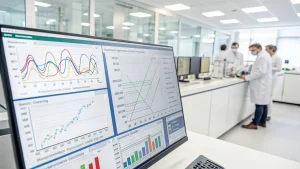
Data visualization is invaluable for both beginners learning to respond to alarming signals and data experts seeking faster, better solutions from collected data. Tools like Tableau, Power BI, and D3.js offer potent data visualization capabilities, enabling developers to create interactive dashboards and reports. These tools simplify the analysis process, making identifying trends, patterns, and anomalies in the data easier.
Thanks to data visualization, developers can transform how information is perceived, enabling more accurate decisions and insights without the impossible task of manually analyzing all the data.
Automating Data Workflows
Tools like Apache Airflow and Prefect serve as advanced task managers for data processes, enabling developers to create, schedule, and monitor data workflows precisely. By streamlining the entire data collection process through customizable workflow automation, developers can schedule the most time-consuming tasks without the need for monitoring.
Conclusion
Smarter data handling is necessary for developers looking to keep up with competitors and build quality apps much faster. Developers can create responsive, personalized, intelligent applications by creating data workflows with knowledge from key data sources. With the IT evolution showing no signs of stopping, smarter data handling will remain critical to successful application development.
Photo by BrianPenny on Pixabay

Kyle Lewis is a seasoned technology journalist with over a decade of experience covering the latest innovations and trends in the tech industry. With a deep passion for all things digital, he has built a reputation for delivering insightful analysis and thought-provoking commentary on everything from cutting-edge consumer electronics to groundbreaking enterprise solutions.