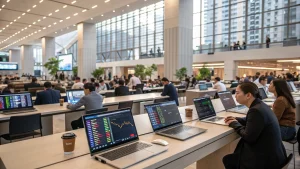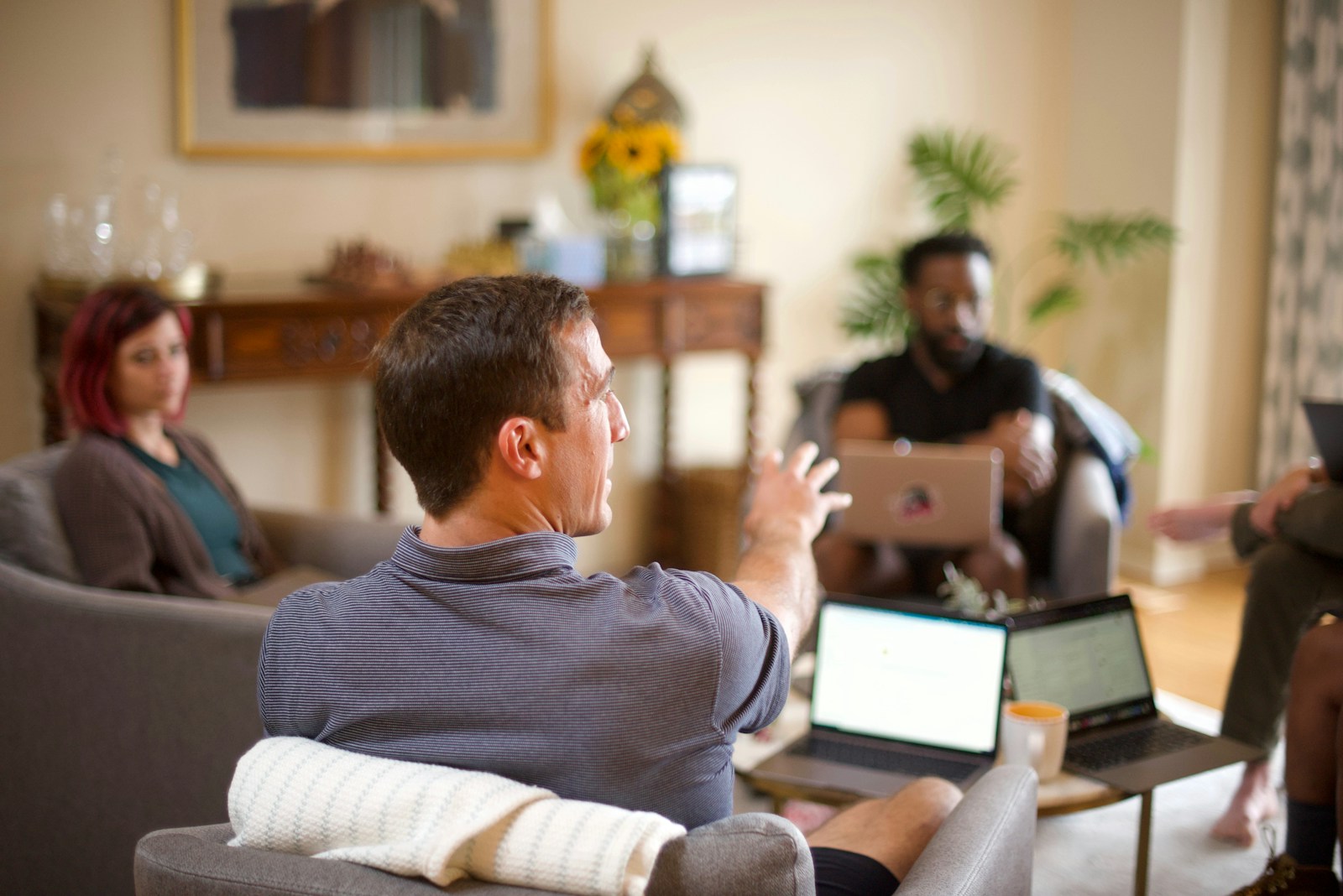
Work methods have changed as teams alternate between home offices and on-site workspaces. Hybrid models offer flexibility and a broader talent pool, but they can also create gaps in collaboration, culture, and productivity. Integrating cloud platforms, smart office technology, and real-time data enables seamless integration of digital and physical workspaces. As a result, employees can move between settings without disruption.
In this article, you will learn:
- How the hybrid workplace experience and remote models have evolved since 2020
- Core digital platforms and physical space features that drive a unified workplace experience
- Integration of touch points like room booking systems and IoT sensors for smooth workflows
- Strategies to overcome silos, security gaps, and compliance hurdles
- Emerging future of work technology, from virtual campuses to AI analytics
- A step-by-step digital workplace strategy to pilot and scale your hybrid workplace
Ready to dive in? Let’s explore the rise of hybrid and remote work models.
The Evolution of Hybrid Work
Rise of hybrid and remote work
A hybrid workplace experience allows employees to divide their time between remote and office settings. Remote-first models support work from anywhere with internet access. Since 2020, many organizations have adopted hybrid models to expand talent pools beyond geographic limits and offer flexible schedules.
This digital transformation in the workplace reduces commuting stress and boosts autonomy. Key drivers include employee demand for flexibility, advances in workplace technology solutions, and competition for top talent.
Benefits of unified workplace experiences
Aligning digital and physical experiences is key to maximizing hybrid work. Combining ergonomic office design, clothing, and workplace collaboration tools can enhance productivity, creativity, and satisfaction. Critical enablers include:
- Video conferencing platforms and instant messaging apps
- Unified project management software and cloud storage
Reduced Commuting Risks and Safety Considerations
One lesser-discussed benefit of hybrid models is the reduction in commuting-related risks, including car accidents. With fewer days spent driving to and from the office, employees experience less exposure to traffic-related injuries and stress. For on-site days, organizations can support employee safety by implementing clear transportation policies, offering safe parking areas, and providing resources for accident response or insurance assistance when needed.
Key Components of a Unified Workplace Experience
Digital Workplace Platforms and Tools
Organizations need a clear digital workplace strategy that unifies collaboration, communication, and well-being tools. Virtual campus platforms mirror in-office resources in an app, letting employees navigate real spaces, book amenities, and join community forums from anywhere.
Core platforms often include:
- Collaboration suites (for example, Google Workspace, Microsoft Viva, Slack)
- Virtual campus apps for fitness classes, mental health services, and community events
- Centralized project management and document repositories
- Sector-specific platforms that streamline job scheduling, crew coordination, and real-time updates for field service teams, such as those used in landscape operations
With 70% of the workforce projected to work remotely at least five days a month by 2025, adopting workplace collaboration tools and digital platforms that integrate with physical spaces is critical.
Physical Workspace Design and Amenities
Well-designed offices support digital tools and employee wellness. Key elements include:
- Flexible seating and huddle areas for spontaneous meetings
- Biophilic elements such as indoor plants and natural light
- Ergonomic workstations and quiet zones
- On-site wellness rooms and fitness studios
When physical zones map directly to digital touchpoints, such as reservable pods in a virtual campus, teams transition smoothly. Smart office technology enhances comfort and efficiency, reinforcing digital and physical workplace integration.
Integration Touchpoints
Digital and physical convergence relies on seamless interaction points. Below are two key examples.
Room Booking Systems
Smart room booking tools sync with calendars and mobile apps. Employees locate available workstations and meeting rooms, receive occupancy alerts in real time, and adjust reservations on the fly. This integration reduces conflicts and supports a unified workplace experience.
IoT and Smart Sensors
IoT sensors track space utilization, temperature, and air quality. Facility managers use analytics dashboards to optimize layouts, schedule cleaning, and maintain comfort. Smart badges and asset tracking streamline workflows by locating equipment and colleagues instantly. These workplace technology solutions help deliver a consistent hybrid workplace experience.
Overcoming Integration Challenges
Integrating digital and physical workplaces often hits three main obstacles: silos, security gaps, and evolving compliance needs. Overcoming these challenges demands governance, end-to-end security, and clear data policies.
Cross-Functional Alignment and Governance
Departments such as HR, IT, and facilities often work in isolation. Align their efforts through shared leadership and continuous communication.
Establish Workgroups
- Define shared goals and metrics
- Rotate leadership to ensure balanced input
- Schedule biweekly alignment meetings
Training and Culture
- Offer role-based training for collaboration tools and space management
- Use peer mentors to guide the facility and IT staff
- Collect user feedback across functions
Foster Open Communication
- Use centralized collaboration tools for transparency
- Hold regular demos and feedback sessions
- Share dashboards to track progress
Digital and Physical Security Integration
Blending digital and physical environments can introduce new risks. Physical and digital security integration aligns cybersecurity and access control to protect assets.
Unified Access Control
- Integrate digital identity systems with physical readers
- Leverage single sign-on for doors and networks
- Encrypt credentials both in transit and at rest
Secure Network Infrastructure
- Deploy secure VPN and zero-trust models
- Upgrade bandwidth for real-time sensor data
- Monitor traffic with unified security monitoring
Data Privacy and Regulatory Compliance
As workspace sensors generate more personal data, a clear digital workplace strategy must comply with privacy regulations to maintain trust and avoid penalties.
Implement Privacy by Design
- Limit data collection to necessary fields
- Anonymize occupancy and sensor logs
Adhere to Compliance Standards
- Map data flows against GDPR and CCPA
- Conduct regular audits and staff training on policies
- Maintain documentation for regulatory reviews
By addressing silos, unifying security, and upholding data privacy, organizations can build a seamless hybrid environment that drives productivity and trust.
Innovative Technologies Shaping the Future of Work
Cloud-based virtual campuses and digital twins mirror office facilities in digital environments.
Corporate metaverses let teams navigate 3D rooms as lifelike avatars, hold trainings, town halls, and social events without travel.
Digital twin frameworks feed live sensor data and energy metrics back to the platform, creating a synchronized view of physical and virtual spaces.
These future of work technology trends drive new workplace collaboration tools.
AR/VR for Immersive Collaboration
AR and VR tools overlay digital content onto real-world settings or create simulated meeting rooms. Spatial audio simulates sound propagation, while gesture tracking enhances engagement. Engineers can inspect 3D equipment models in situ. Mixed-reality environments support remote assistance and hands-on training, improving collaboration and learning.
IoT-Driven Smart Office Systems
IoT-enabled sensors track occupancy, desk usage, and air quality in real time. Smart desks, lighting, and climate controls adjust automatically to optimize comfort and energy use. Advanced smart office technology integrates AI cameras, interactive whiteboards, and auto-learning conference tables for seamless media and resource management. These systems exemplify workplace technology solutions for the hybrid era.
AI-Powered Space and Usage Analytics
AI analyzes sensor and platform signals to surface occupancy trends, predict high-demand zones, and forecast maintenance needs. Predictive building management systems anticipate patterns and optimize layouts. Combined with digital twin visualizations and workplace collaboration tools, these analytics guide a unified workplace experience and continuous improvement.
Best Practices and an Actionable Integration Framework
Companies can bridge digital and physical workspaces by following a clear, step-by-step integration framework. Focus on engagement, data, and scalable governance to ensure lasting success.
Engage Stakeholders and Pilot Programs
Identify champions across HR, IT, and facilities to co-design pilot programs. Launch small cohorts using a virtual campus app that combines wellness services, community forums, and networking streams.
- Define pilot goals and timelines
- Offer gamified incentives (for example, local experiences or discounts)
- Host weekly check-ins to gather qualitative feedback
Define Metrics and Feedback Loops
Set measurable KPIs to track adoption and impact. Key metrics include:
- Platform engagement rate (logins, feature usage)
- Wellness and learning module completions
- Employee satisfaction scores
Collect feedback through in-app surveys and analytics dashboards. You can also leverage social media monitoring tools to track sentiment, uncover emerging concerns, and assess external perceptions of your workplace strategy. Use real-time data to identify friction points and prioritize fixes in the next iteration.
Scale Through Agile Iteration and Continuous Improvement
Establish a governance team to review metrics monthly and adjust priorities. Apply agile sprints to roll out new features, pilot corporate partnerships, and expand wellness offerings.
- Rotate sprint leadership across departments
- Share progress in open forums to build transparency
- Update roadmaps based on quantitative data and user stories
By engaging stakeholders, defining clear measures, and iterating rapidly, organizations can create a unified workplace experience that adapts to evolving needs.
Conclusion
Bridging digital and physical workspaces requires a clear strategy, cross-functional alignment, and a mix of technology and space design. We covered the evolution of hybrid workplace experience, core components of a unified workplace, common integration challenges, and tools that will shape the future of work. You also learned a practical framework to pilot, measure, and scale your hybrid initiatives.
Key takeaways:
- Pair cloud-based collaboration platforms with smart office technology
- Create seamless touch points through room booking systems, IoT sensors, and unified access controls
- Overcome silos, security gaps, and compliance hurdles with shared governance and privacy by design
- Leverage AR/VR, digital twins, and AI-driven analytics for data-informed decisions
- Follow an agile, pilot-measure-scale approach to ensure continuous improvement
By applying these insights, you can build a hybrid workplace that keeps teams connected, supports well-being, and drives productivity. The future of work belongs to organizations that master digital and physical workplace integration. Start your journey today and shape a unified workplace experience that adapts, engages, and performs at its best.

Megan Isola holds a Bachelor of Science in Hospitality and a minor in Business Marketing from Cal State University Chico. She enjoys going to concerts, trying new restaurants, and hanging out with friends.