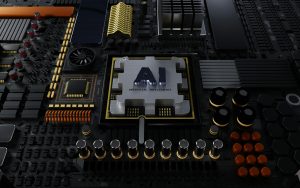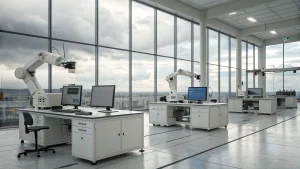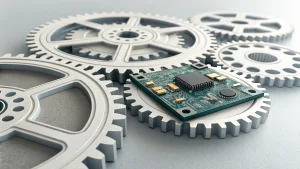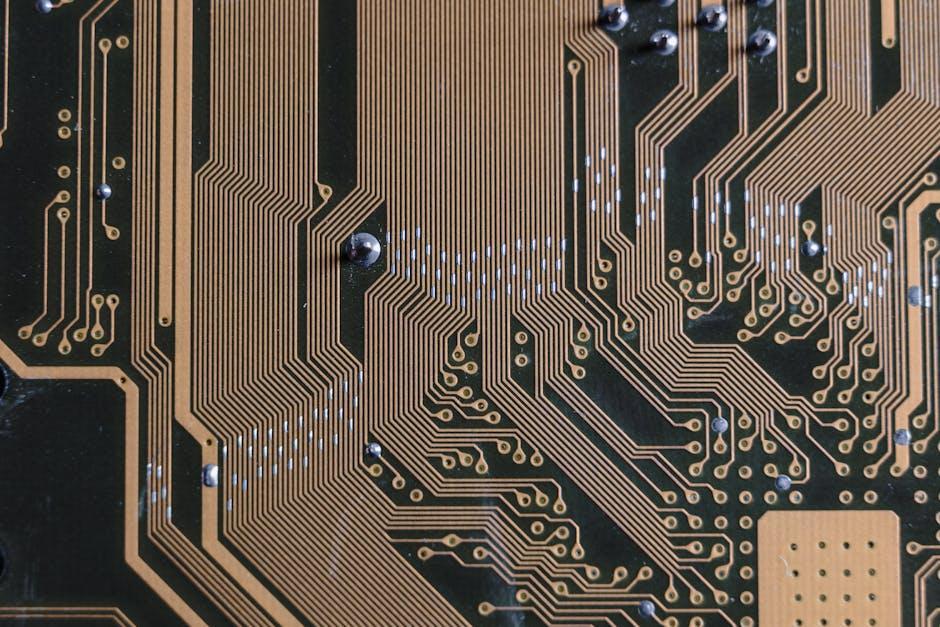
There is a possibility that physical hardware design could become obsolete in a future where cloud platforms and applications are the norm. The digital age is a fan of its never-ending upgrades, which consist of one software patch after another and an infinite number of code modifications. The gleaming veneer of seamless interfaces, however, conceals something much more tangible: the equipment, components, and materials that comprise the user interface. These are the elements quietly shaping every click and swipe. Ignore them at your peril. What happens if something goes wrong? It’s usually not a glitch; it’s metal against metal, a connector worn thin. Anyone in industry knows this—the physical parts still set the rules for what software can do.
Precision Isn’t Outdated
Ever tried aligning car wheels without precision tools? There’s no shortcut—no clever app replaces exact tolerances carved into steel or alloy. Take the humble K connector, for example. The K connector, while seemingly insignificant on paper, plays a crucial role when forces surge through a chassis at high speeds. Software can’t bridge a millimetre gap left by shoddy workmanship in such connectors or hide the disaster that follows poor design choices in vital components.
Form Drives Function
Sophisticated programming cannot fix physical design defects. A user-friendly interface is meaningless if the gadget overheats, breaks, or disconnects under pressure. Hardware design choices affect a product’s durability, component protection, and performance in harsh environments. Shape, density, and resilience affect the long-term usability of physical structures in aerospace and healthcare. They can’t be patched or debugged after deployment. They must be right from the start. Software may guide a user’s experience, but hardware design ensures it happens at all.
Materials Mean Everything
In many systems, performance ultimately depends on the choice of materials. Metals, insulators, and shielding components must endure repeated use, resist corrosion, and operate reliably in varied environments. Poor material selection can cause cracks, warping, or conductivity problems before software faults become apparent. While material science may not be as prominent as user interface design, its influence is evident in every durable device. The right mix of durability, conductivity, and thermal resistance determines whether a product merely functions or truly performs.
Design Integrity Under Pressure
Today’s hardware design must withstand not just mechanical stress but also extreme environments—from moisture and vibration to electromagnetic interference. In connectors like the K series, each groove and material choice serves a purpose. It’s not about resisting obsolescence for nostalgia’s sake—it’s about performance under pressure. The locking mechanism isn’t a visual flourish; it’s a barrier against signal degradation and component failure. As systems scale and integrate faster than ever, design integrity ensures the infrastructure doesn’t falter when software updates are no longer enough.
Conclusion
Software may drive innovation headlines today, but ignore hardware design at immense cost tomorrow. Strong foundations crafted from quality materials and handled with skill are essential; without them, even genius-level programming falls flat when faced with real demands on the road or track alike. Reliable outcomes depend on both worlds working together: bright ideas welded firmly onto steel realities, not floating somewhere abstract above them all in clouds of wishful thinking—or worse yet, thrown aside after one rough season.
Image attributed to Pexels.com

A seasoned technology executive with a proven record of developing and executing innovative strategies to scale high-growth SaaS platforms and enterprise solutions. As a hands-on CTO and systems architect, he combines technical excellence with visionary leadership to drive organizational success.