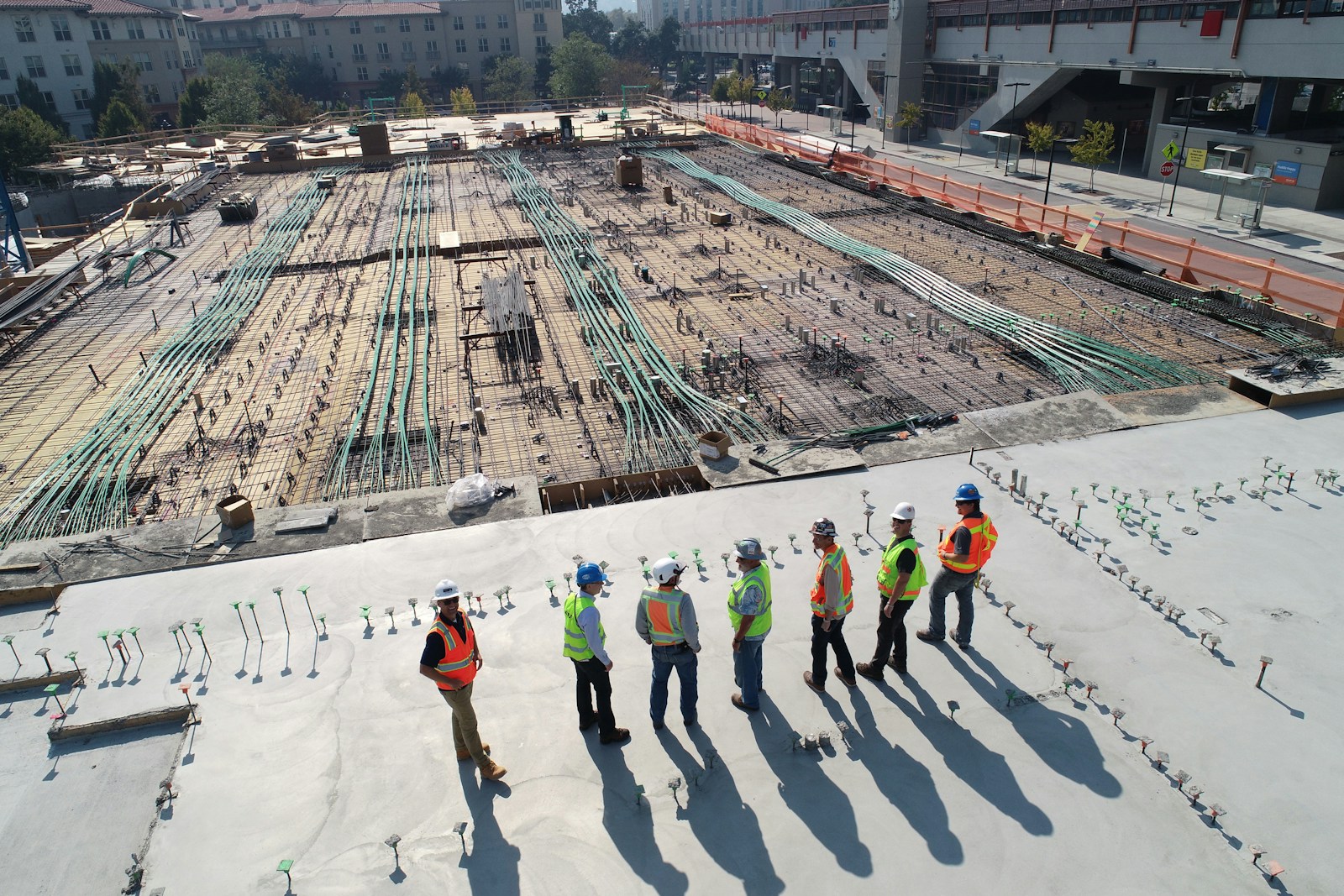
Construction companies often focus on the quality of work and profitability, quite understandably, but it’s also important to create the right culture. Successful construction companies often prioritize diverse hiring and inclusive workplace environments.
But what exactly does this mean? How can you implement it in your own construction business?
The Benefits of Diversity and Inclusion
Diverse, inclusive environments are typically beneficial for the construction businesses that create them. The two sides of this equation are diversity and inclusion, which are separate yet interrelated concepts. Diversity means employing a wide variety of people with different backgrounds, cultures, and perspectives. Inclusion means taking positive steps to ensure that all those diverse people in your organization are valued, treated with respect, and active participants in your company.
The downstream benefits of this are multifaceted and can apply to many different areas. Diverse and inclusive workplace environments tend to be more innovative, productive, and successful overall. They are also more attractive to applicants, more valued by investors, and more capable of performing.
Ultimately, this means that diverse and inclusive businesses tend to be more successful in hiring, production, decision-making, innovation, leadership, and even marketing.
Creating a More Inclusive Workplace
So how can your construction business create a more diverse and inclusive workplace?
Start from the top.
Diverse and inclusive changes are best orchestrated from the top down. People at the top tend to have more power and visibility than the people at the bottom of your organization, and the people at the bottom of your organization are likely to model their leaders and superiors, even if unwittingly. If the figureheads of your company are consistently praising the merits of diversity and inclusion, it’s likely that the rest of your employees will follow suit. Conversely, if your leaders aren’t on board with this, it’s going to be very hard to generate any momentum.
Focus on culture.
An inclusive culture can instantly improve your organization. Once you prioritize diversity in your workforce and inclusivity in your meetings and decision-making, you’ll see the benefits flow naturally from that origin point.
Use inclusive language.
Try to use inclusive language in everything, from your promotional materials to your internal meeting invites. If you make a concentrated effort to ensure everyone feels accepted, people will begin to recognize your workplace as especially inclusive.
Address your hiring practices.
Building a diverse workforce is hard without prioritizing diversity in your hiring practices. That doesn’t mean hiring someone just because they have certain characteristics, but it does mean broadening the scope of your hiring considerations so that people from a wide range of different backgrounds have an opportunity to work for your business. Community outreach, targeted marketing, and widespread recruitment efforts can all help you in this regard.
Make everyone feel involved and engaged.
Do what you can to make sure all types of people in your organization feel involved and engaged. That means collecting different opinions and meetings, promoting strategically, and ensuring you’ve heard from various perspectives before moving forward on anything significant.
Reward equally.
Disproportionate rewards, such as promotions and bonuses, can also interfere with inclusive workplace environments. Make sure you’re rewarding based on merits, and apply those rewards equally across different demographic groups.
Educate and train.
Educating and training your entire workforce on the importance of diversity and inclusion may also be beneficial. Once people better understand the motivations behind these concepts, they’ll be more likely to make their own efforts to improve the workplace.
Appoint strong leaders.
You should also make sure you have strong, inclusivity-conscious leaders at every rung on your corporate ladder.
Create more opportunities for conversation.
If you want your workplace to feel inclusive, you must create opportunities for open conversations. Suppose anyone feels uncomfortable voicing their opinion or being their true self. In that case, it will be practically impossible for you to define your workplace environment as diverse or inclusive. Make sure everyone has an opportunity to express themselves and be genuinely heard.
Listen and adapt.
It’s also important to actively listen to feedback whenever you receive it and adapt accordingly. If you consistently hear that certain types of people feel marginalized or under-included, it’s your responsibility to take action and address that.
Facilitating diversity and inclusion in a construction environment is a step forward that can benefit your business, its employees, and the environment in which you operate. The more proactively you work to promote this aspect of your workplace, the sooner you’ll reap the benefits.
Image Credit: Photo by Scott Blake; Unsplash

Kyle Lewis is a seasoned technology journalist with over a decade of experience covering the latest innovations and trends in the tech industry. With a deep passion for all things digital, he has built a reputation for delivering insightful analysis and thought-provoking commentary on everything from cutting-edge consumer electronics to groundbreaking enterprise solutions.