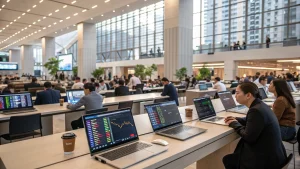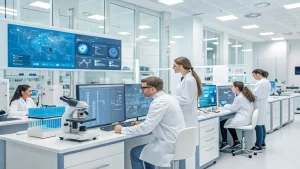
Designing a workplace that supports all employees goes beyond providing office furniture and the available space. It involves creating an ecologically sustainable working atmosphere that enhances employees’ output. Let’s explore how to create efficient workspaces that are functional and sustainable. Sustainable office design focuses on reducing environmental impact while enhancing employee well-being. Think of it like planting a garden. You need the right soil, sunlight, and water to help plants grow, just as you need the right materials and layout for a healthy workspace. By prioritizing eco-friendly materials and systems, workplaces can thrive.
Choosing Eco-Friendly Materials
When considering a sustainable office design, the materials used matter. Opt for items made from recycled or renewable resources. For example, wooden desks from sustainably harvested forests reduce the carbon footprint. Recycled carpets and eco-friendly paints are also great choices. Green materials not only look good but contribute to a healthier office.
Incorporating Natural Light
Picture yourself working always in a shaded space. Does that sound tiring? But when sunlight strikes from the other side, the situation may change. It boosts mood and increases energy. When designing working spaces, prefer large vinyl windows or skylights that let in sunlight. And, if possible, arrange work desks closer to the sources of these lights. Increased productivity is not the only advantage provided by this; electricity consumption is even reduced.
Creating Flexible Work Areas
An efficient office is not limited to desks and chairs in a row. It’s about flexibility. Some people need quiet, private spaces to focus, while others thrive in collaborative settings. With areas such as meeting rooms, quiet zones, and lounges, employees can select the most appropriate place to work. Think of it like a toolbox; each tool does a specific job, and each job gets done more quickly with a suitable tool.
Improving Air Quality
Plants go beyond aesthetics and serve the functional benefit of cleaning the air. Furthermore, by adding indoor plants, the office air quality will improve, and thus, the workforce will be healthier. Snake plants and pothos plants only require watering and can survive with minimal light, as opposed to other plants. Visualize your sustainable office design as a small forest that breathes life into your workday!
Efficient Use of Space
Maximizing space means thinking about how every corner can be used. Open floor plans can create a sense of community, but they also need to allow for privacy. Use multi-functional furniture that can serve different needs. For example, a storage bench can hold supplies and offer seating. This way, you make the most of every inch, turning even small spaces into efficient work areas.
Emphasizing Technology and Efficiency
Technological advancements simplify tasks, resulting in an improved working environment. Use energy-efficient devices and promote digital tools to reduce paper waste. Look at technology as the driving force in your workplace. It fosters productivity and ensures workflows without interruptions. By integrating tools like project management software, teams can collaborate effectively and stay organized.
Fostering a Sustainable Culture
Sustainable office design goes beyond the physical space. It’s about building a culture where everyone shares responsibility. Encourage employees to adopt eco-friendly habits, such as recycling and conserving energy. Regular green initiatives can strengthen this culture. Think of it like a team sport; everyone plays a part in the win!
Conclusion
Workspaces optimized for efficient performance need not be boring or lacking inspiration. Office spaces can foster productivity and sustainability by using sustainable materials, allowing natural light in, and creating adaptable spaces.
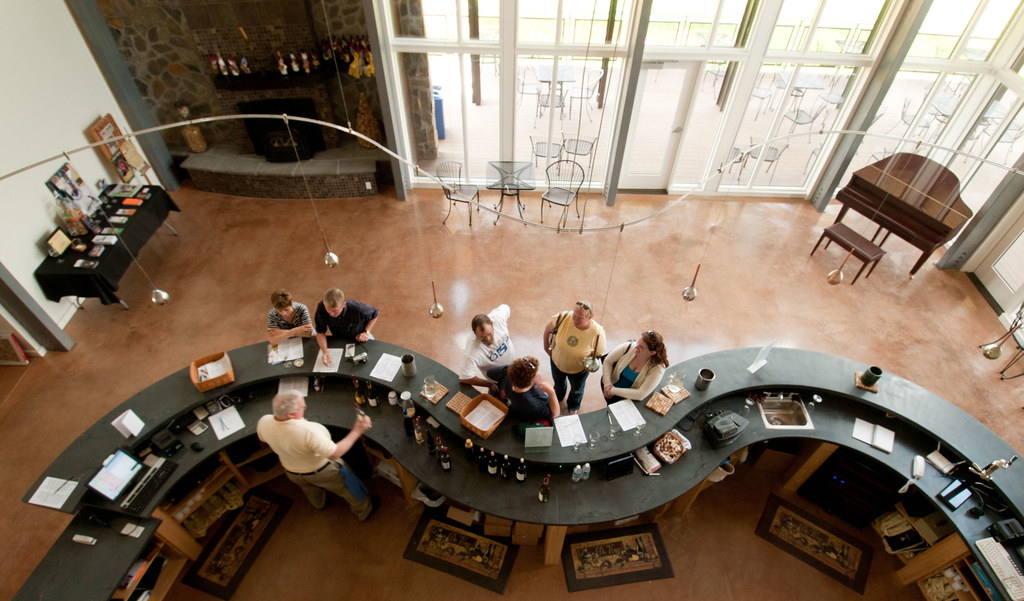
Featured image: “20110506-RD-LSC-1086” by USDAgov is licensed under CC BY 2.0

Kyle Lewis is a seasoned technology journalist with over a decade of experience covering the latest innovations and trends in the tech industry. With a deep passion for all things digital, he has built a reputation for delivering insightful analysis and thought-provoking commentary on everything from cutting-edge consumer electronics to groundbreaking enterprise solutions.