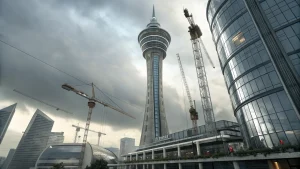
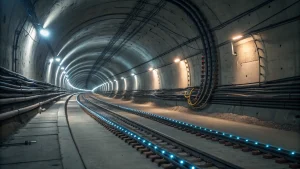
The line between reality and artificial intelligence is becoming increasingly blurred. After extensive testing of Google’s new Veo video generation platform, it’s clear we’ve reached a pivotal moment in AI-generated content. The ability to create convincing, high-quality videos from text prompts has taken a significant step forward.
Having gained early access to Veo through Google Labs Video FX, I’ve thoroughly tested its capabilities against numerous user-submitted prompts. The results are both impressive and concerning. While not perfect, the platform demonstrates remarkable progress in generating realistic video content that often surpasses current alternatives like OpenAI’s Sora.
Understanding Veo’s Dual Approach
Veo offers two distinct methods for video generation:
- Text-to-video: Direct generation of video content from textual descriptions
- Text-to-image-to-video: A two-step process where an image is first generated, then animated
The platform’s strength lies in its ability to generate multiple variations simultaneously. Each prompt yields four different interpretations, allowing users to select the most suitable output. This approach acknowledges the current limitations of AI video generation while maximizing the chances of producing usable content.
Strengths and Limitations
The platform excels at creating:
- Cinematic establishing shots
- Nature and wildlife scenes
- Abstract concepts and surreal scenarios
- Atmospheric and mood-driven sequences
However, Veo still faces challenges with:
- Complex human movements and interactions
- Multiple simultaneous actions in different planes
- Maintaining consistent object properties throughout a sequence
- Generating recognizable celebrity likenesses
Real-World Applications and Implications
The potential applications for this technology are vast, but they come with significant responsibilities. Content creators now have access to tools that can generate establishing shots, b-roll footage, and creative sequences without traditional filming requirements. However, this ease of creation raises important questions about authenticity and verification in visual media.
The quality gap between AI-generated and real footage is narrowing rapidly. What we’re seeing now is just the beginning – future iterations will likely be even more convincing.
Comparative Analysis
When comparing Veo to Sora, several key differences emerge. Veo consistently produces higher quality outputs in its current form, though we must note that Sora’s publicly available version is a scaled-down “Turbo” model. The full capabilities of Sora remain to be seen.
My testing revealed that Veo particularly outperforms in:
- Visual consistency throughout sequences
- Handling of complex environmental effects
- Overall video quality and resolution
- Interpretation of detailed prompts
Looking Forward
The advancement of AI video generation technology suggests we’re at the beginning of a transformation in content creation. As these tools become more accessible and sophisticated, we must prepare for both the opportunities and challenges they present.
The implications for various industries are profound. From marketing and entertainment to education and journalism, the ability to generate high-quality video content from text prompts will reshape how we create and consume visual media.
Frequently Asked Questions
Q: How does Veo compare to other AI video generators currently available?
Based on extensive testing, Veo currently leads the pack in terms of video quality and consistency. While other platforms like Sora show promise, Veo’s ability to generate multiple high-quality variations from a single prompt sets it apart.
Q: What are the main limitations of Veo’s current capabilities?
The platform struggles with complex human movements, maintaining consistency in fast-moving sequences, and generating accurate celebrity likenesses. It also has difficulty managing multiple simultaneous actions in different parts of a scene.
Q: How can content creators best utilize Veo for their projects?
Content creators should focus on using Veo for establishing shots, atmospheric sequences, and nature scenes where its strengths shine. Detailed prompts and multiple generations increase the likelihood of getting usable footage.
Q: What safeguards are in place to prevent misuse of this technology?
Google has implemented various guardrails, including restrictions on generating celebrity likenesses and potentially harmful content. The platform also requires users to join a waiting list and undergo verification before gaining access.
Q: How will this technology impact the future of video production?
AI video generation will likely transform production workflows, reducing costs for certain types of footage while creating new opportunities for creative expression. However, it will also raise important questions about authenticity and the value of traditional filmmaking skills.