The robotics revolution is no longer a distant future – it’s happening now, and its pace is staggering. While many focus on artificial intelligence’s impact on knowledge work, a more immediate disruption is emerging in the form of humanoid robots, particularly in manufacturing, warehousing, and retail sectors.
Having extensively researched over 40 humanoid robotics companies and closely analyzed 16 of them for the Meditrend Report, I can confidently say we’re on the cusp of a transformative shift in how physical work gets done. The evidence is compelling, with billions of dollars flowing into this sector and major players like Tesla, Figure AI, and Agility Robotics leading the charge.
The Economic Reality of Robot Workers
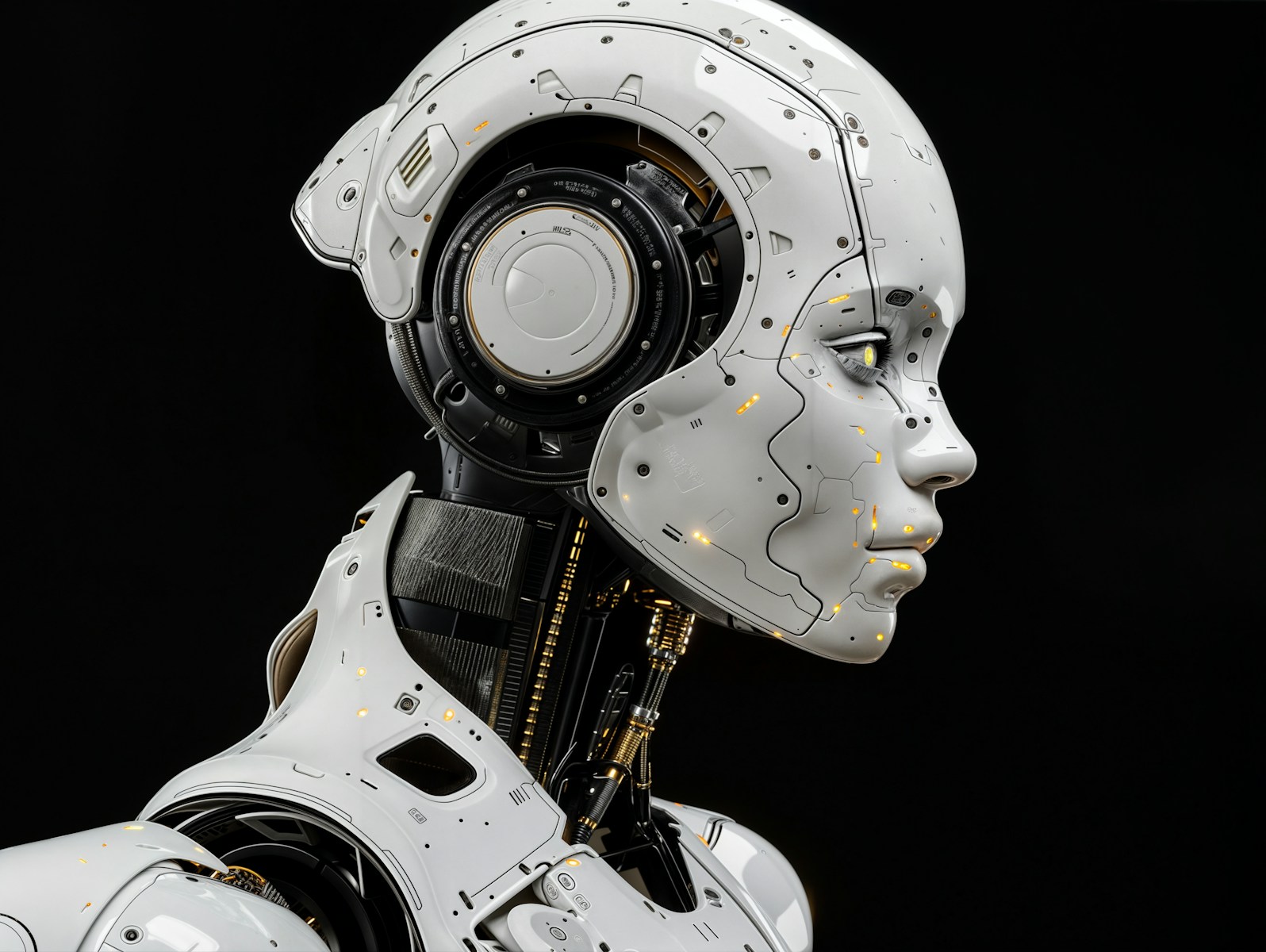
The numbers tell a stark story about the future of work. These aren’t simple machines – we’re talking about sophisticated robots with two arms, two legs, and ten digits, capable of performing most human physical tasks. Through multimodal AI, they can see, understand their environment, and engage in meaningful conversations.
The most striking aspect is the economics. Industry leaders predict these robots will cost around $30,000 per unit. Let’s break down what this means:
- Monthly lease cost: Approximately $300
- Daily operational cost: About $10
- Hourly cost: Roughly $0.40
- Operating time: 24/7 availability
- No additional human resource costs or complications
Compare this to human workers earning minimum wage at $20 per hour, and the economic implications become crystal clear. This isn’t just about cost savings – it’s about a fundamental shift in how businesses operate.
Major Retailers Leading the Transformation
Amazon is already conducting pilot programs with several robotics companies, and we should expect significant announcements within the next 18 months. What’s particularly noteworthy is Amazon’s proactive approach to this transition, establishing a $1 billion fund dedicated to retraining their workforce.
Walmart, with its 2.5 million employees – including 2 million in warehouses and distribution centers – will likely follow suit. This isn’t just speculation; it’s an inevitable business evolution driven by compelling economics and operational efficiency.
Reshaping Global Manufacturing
The impact extends far beyond retail and warehousing. Consider the fast fashion industry, currently concentrated in just five global locations. Humanoid robots will enable the establishment of local manufacturing facilities in previously unprofitable locations. This decentralization will bring production closer to consumers, potentially reducing delivery times from 10 weeks to just 5 days.
These plants, these factories would be very near the main street where they’re gonna sell those goods taking fast fashion from 10 weeks now down to maybe 5 days.
The real disruption lies not just in the replacement of human labor, but in the complete reorganization of global supply chains and manufacturing networks. This shift will create new opportunities while eliminating others, requiring a fundamental rethinking of workforce development and economic planning.
Preparing for the Inevitable
The rapid advancement of humanoid robotics demands immediate attention from policymakers, business leaders, and workers alike. We need comprehensive strategies to:
- Develop retraining programs for displaced workers
- Create new educational pathways for emerging roles
- Establish support systems for affected communities
- Design policies that ensure equitable distribution of benefits from automation
The transformation is inevitable, but its impact on society isn’t predetermined. Our actions today will shape how this technology revolution affects millions of workers and the broader economy.
Frequently Asked Questions
Q: How soon will humanoid robots start replacing workers in warehouses?
Based on current developments and pilot programs, significant deployment could begin within the next 18-24 months, with major retailers leading the adoption.
Q: What makes these robots different from previous automation attempts?
These robots combine advanced physical capabilities with sophisticated AI, allowing them to perform complex tasks, understand their environment, and communicate effectively – making them suitable for a much wider range of applications than traditional automation.
Q: What industries will be most affected by humanoid robots?
Initially, warehousing, distribution centers, and manufacturing will see the biggest impact, particularly in industries like fast fashion where speed and efficiency are crucial.
Q: How are companies preparing for this transition?
Leading companies like Amazon are establishing substantial retraining funds and programs to help their workforce adapt to new roles as automation increases.
Q: What will happen to workers displaced by these robots?
While some jobs will be eliminated, new roles will emerge in robot maintenance, supervision, and programming. The key will be effective retraining programs and support systems to help workers transition to these new opportunities.