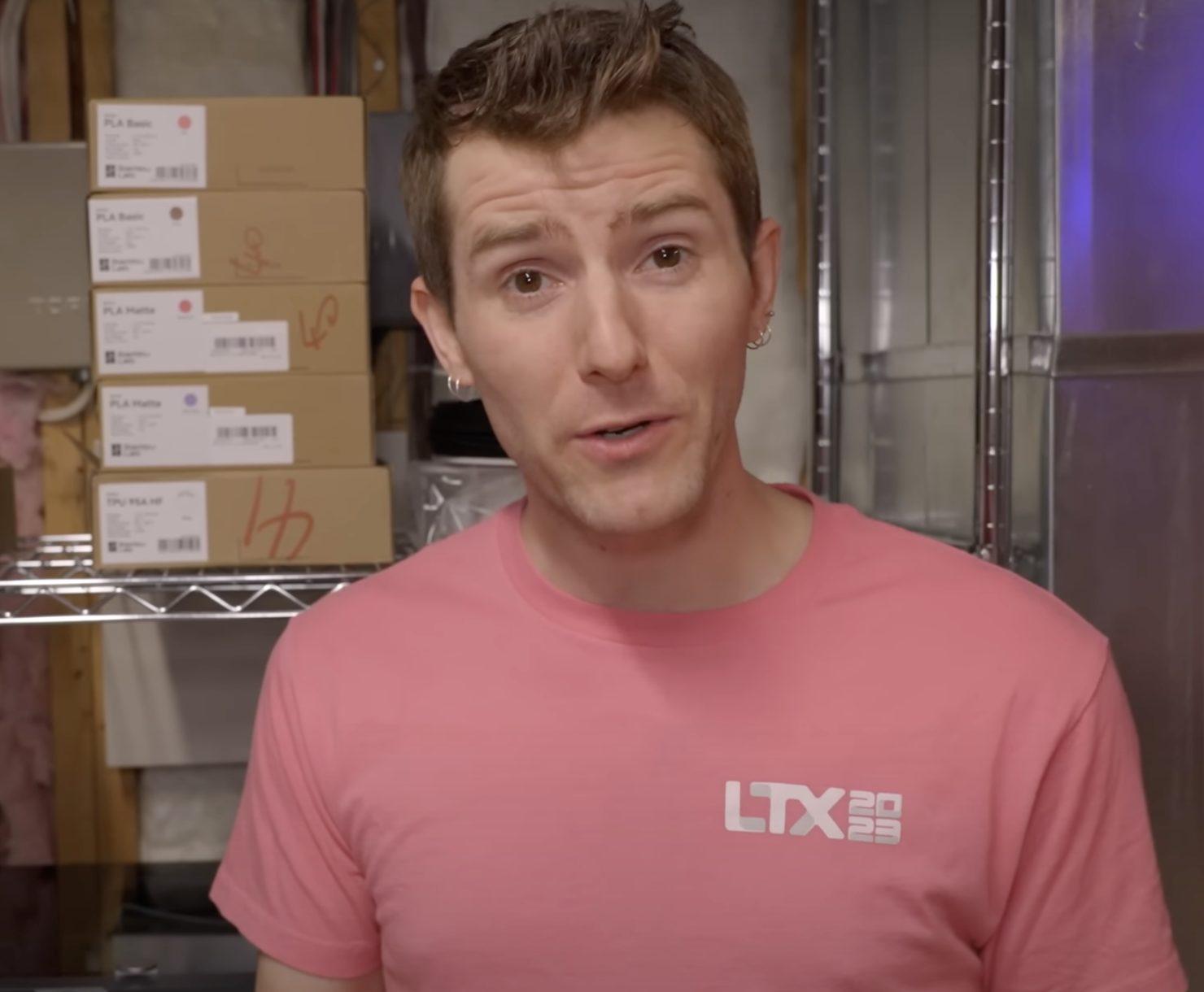
Recently, I listened to a lively discussion about various 3D printing setups and the impact of software updates on user experience. The talk focused on both the excitement of being part of a growing hobby and the frustration when long-trusted products suddenly change. I came away with mixed feelings. One thing was clear: changes forced by security concerns may sometimes hurt functionality more than they help. This issue is very relevant for anyone interested in 3D printing, whether you are a hobbyist or a professional.
Main Argument
The new update undermines a crucial aspect of what makes 3D printing enjoyable. The speaker explained that a well-loved printer setup was transformed by an update in the name of security. The update, released by a popular brand, has harmed performance for many users. In a striking remark, the speaker said:
“Bamboo Labs bamboozle the community by issuing an update that in the name of security significantly harms the functionality of these printers for a lot of their users.”
The choice to rely on security updates that come at the expense of ease of use and efficiency rings alarm bells for anyone who has invested in a particular setup. In my view, while security is non-negotiable, it should not compromise the experience that users have come to enjoy over time. The overall sentiment suggests that trading off features, like a smooth printing process, for heightened security can hurt the very community that nurtures innovation.
Supporting Evidence and Experiences
The speaker provided a range of experiences that highlight both the strengths and weaknesses of the current state of 3D printing. They recalled how a once embarrassing home setup turned into a model display thanks to improvements like a filament dryer and better organization. However, just when things seemed to be improving, a significant update disrupted what had been a balanced system.
Multiple points were raised that back up this opinion:
- Initial challenges in the setup were overcome through personal upgrades and careful organization.
- The update from the major printer brand introduced unexpected complications, particularly for users relying on certain features.
- The speaker noted that while the printer quality remained high, the change in functionality made it difficult to justify continued use of certain equipment.
- Alternatives are being considered by experts and hobbyists alike, as frustration grows with the current system.
These points are supported by anecdotes and real-life examples. I was particularly struck by the detailed breakdown of the pros and cons of different printers. For example, the speaker mentioned how one printer easily handled multicolored prints and supported use by children. Yet, updates and design choices risked reducing those benefits.
Comparing Alternative Setups
The discussion went beyond the issues with the update and touched upon various other setups available on the market. The speaker compared systems from different brands. One alternative setup, based on a well-established printer model, showed that even in a competitive field there are reliable options that offer impressive build quality and modular features.
The following list outlines the key comparisons mentioned:
- Reliable hardware: A model known for its durability, low noise, and excellent community support. The speaker praised its simplicity and referred to it as “built like a tank.”
- Easy-to-use design: Another printer setup was highlighted for its ease of assembly and maintenance, making it ideal for beginners.
- Feature-rich interface: Some printers come with mobile apps that monitor print status, offer live views of the build plate, and even allow for remote troubleshooting.
These comparisons clearly show that while one company’s update may be harmful for many, there are other systems that continue to perform well. Choosing the right model now involves balancing the need for updated security with the hands-on benefits that a reliable device can offer.
Learning and Experimentation in 3D Printing
A significant part of the appeal of 3D printing is the ability to learn and experiment. The conversation recalled the evolution of various printers over the years. Early models were clunky and often frustrating. However, improvements have enabled users to experiment with modifications and create custom parts. A notable aspect of the discussion was the way children and hobbyists alike can interact with these machines.
The speaker noted that even inexperienced users can learn quickly once the basics are in place. For example, young users have made significant progress by resizing prints, painting components, and even modifying designs. As one passage emphasized:
“Once you’ve got it set up, the Bamboo app has pretty much everything you need. You can monitor the machine, contact support, and even explore a model library for project ideas.”
This approach shows that 3D printing is not just a technical endeavor but also a creative and educational activity. It inspires curiosity and builds skills that can be applied in other areas. I believe that the growth of 3D printing reflects a broader cultural shift towards hands-on learning.
Practical Tips for Newcomers
Amid the technical challenges, the speaker also offered several practical tips for newcomers. The advice is straightforward and designed to help you avoid common pitfalls. Here are some of those key tips:
- Invest in proper storage. Use storage containers and a filament dryer to keep your materials in the best condition.
- Be prepared for maintenance. Regular cleaning and adjustments can save you time and frustration.
- Experiment with settings. Small changes in print speed or temperature can impact quality.
- Consider alternative brands. When one system stops meeting your needs, the market has several reliable options.
Taking these measures not only improves print quality but also helps you better understand the machine’s behavior. Such practical advice is invaluable for anyone looking to get the most out of their 3D printing experience.
The Role of Community and Continuous Improvement
An important theme in the discussion was the role of the community. Enthusiasts constantly share experiences, modifications, and troubleshooting tips. This network of information sharing is what keeps the hobby vibrant. The speaker praised the supportive nature of the community, stating that the ability to correct mistakes and iterate on designs is one of the best parts of 3D printing.
There was also a sense of urgency about the need for continuous improvement from manufacturers. If companies release updates that hinder performance, they risk alienating their loyal user base. In my opinion, updates should add value rather than limit functionality. The speaker’s perspective drove home the point that customer satisfaction must remain a priority. This is not just a technical issue; it is a matter of trust.
Reflections on a Personal Journey
The speaker’s narrative is a reminder that every hobbyist embarks on a personal journey. The evolution from early, awkward setups to highly functional printing stations shows growth on many levels. With every upgrade or modification, lessons are learned and shared with the wider community. Despite setbacks like unsuitable updates or malfunctioning components, the overall progress is undeniable.
I found it engaging to hear about the transition from early models made of wood to modern machines that use advanced technology. Each printer featured its own quirks, and enthusiasts have found inventive ways to work around challenges. Whether it is using a filament dryer to salvage a roll of material or swapping out a Wi-Fi board to restore reliability, every adjustment is a sign of determination and ingenuity.
Final Thoughts and Call to Action
In conclusion, the discussion reveals that while 3D printing technology continues to improve, changes introduced under the banner of security may hinder usability. The evidence suggests that users must be cautious when updates reduce functionality. The voice of an experienced enthusiast urges us to weigh upgrades against the core benefits of a system we have grown to depend on.
If you enjoy 3D printing, now is the time to question changes that could affect your projects. Explore alternative setups and seek advice from the community. Make sure your equipment meets your expectations by investing in accessories like filament dryers and proper storage solutions. A proactive approach will help you maintain reliability and keep your hobby profitable.
I encourage interested readers to test available options, learn from shared experiences, and voice their concerns to manufacturers. Your attention to product performance and quality might prompt companies to reconsider features that diminish what made their products attractive in the first place. Stand up, ask questions, and share your insights with fellow enthusiasts.
Ultimately, our goal should be a printing experience that inspires creativity without compromising on functionality. Change should be gradual, allowing us to adapt while still enjoying the benefits we have come to rely on.
Frequently Asked Questions
Q: What is the main concern with the recent update?
The update, meant to improve security, has reduced important features and performance. Users report that key functions no longer work as seamlessly as before.
Q: How can beginners improve their 3D printing experience?
New users should invest in a proper filament dryer and storage containers. They should also learn basic maintenance practices to avoid common pitfalls.
Q: Are there credible alternatives to the current setup?
Yes. Several reliable systems offer robust performance, low noise, and ease of upgrades. Options include well-regarded models praised for their durability and community support.
Q: Can simple modifications help restore performance?
Many users have found that swapping components or adding accessories like filament dryers can greatly improve print quality and overall experience.
Q: What steps can users take if an update negatively impacts their printer?
Users should consider switching to offline modes when possible, seek advice from community forums, and explore reputable alternative printers that meet their needs.

Finn is an expert news reporter at DevX. He writes on what top experts are saying.