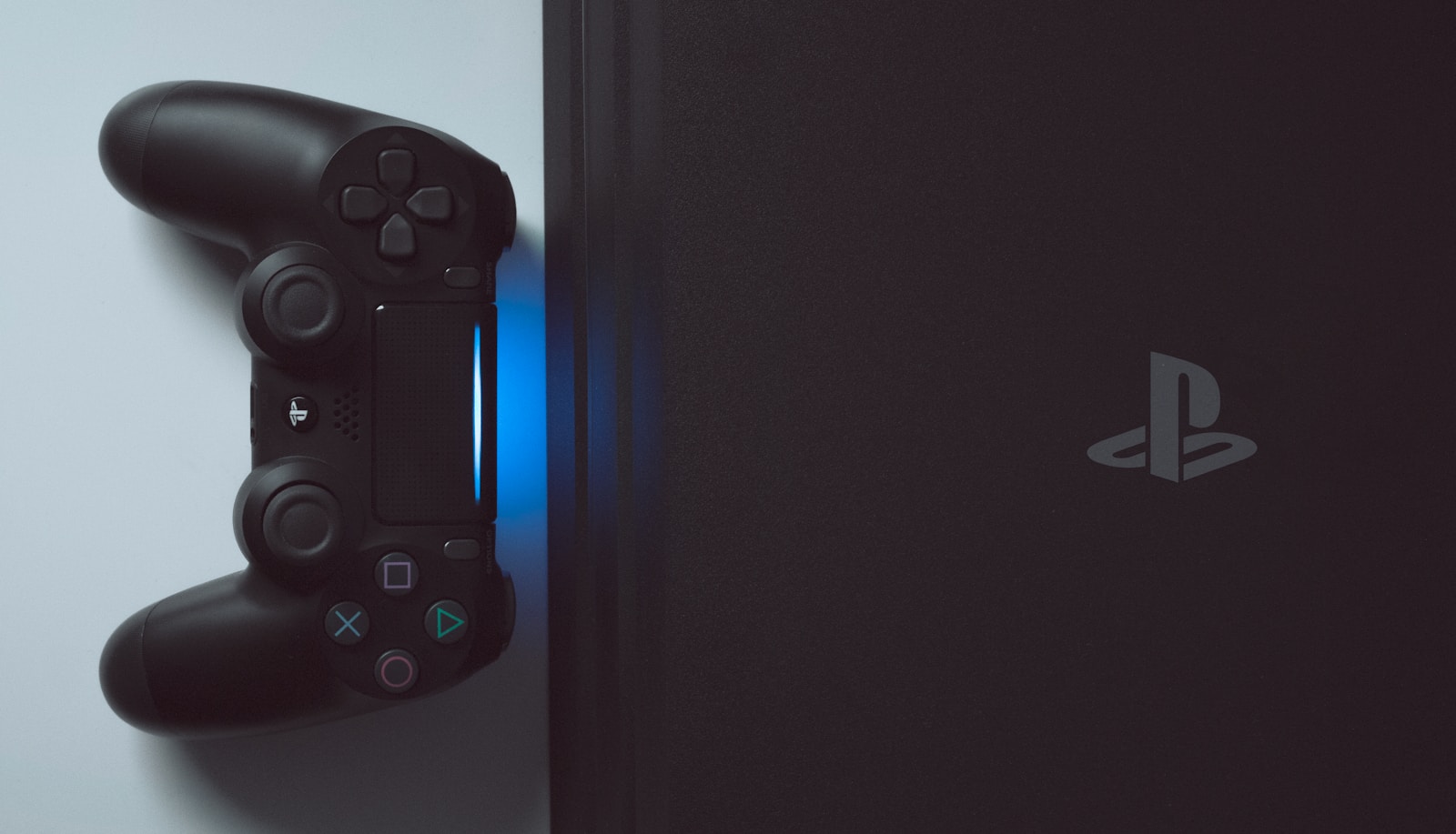
With over 170 million units sold, the PlayStation 4 stands as one of the most successful gaming consoles ever created. Yet its triumph stems not from groundbreaking innovation, but rather from Sony’s strategic retreat from their previous approach to console design. Having witnessed the near-catastrophic launch of the PlayStation 3, I’ve observed how Sony’s humbling experience shaped what would become their most commercially successful console to date.
The PlayStation 3 era left Sony in dire straits. The company had burned through billions of dollars selling consoles at massive losses, faced credit rating downgrades, and even had to sell their Manhattan headquarters. The PS3’s complex architecture and astronomical $599 price tag ($900 in today’s money) nearly destroyed PlayStation’s market dominance.
A Fundamental Shift in Philosophy
The most striking aspect of the PS4’s development was Sony’s complete philosophical overhaul. Gone was Ken Kutaragi’s “push the boundaries at any cost” mentality that defined previous PlayStation generations. Instead, Mark Cerny took the helm with a practical, developer-focused approach that prioritized accessibility over raw innovation.
This shift manifested in three key ways:
- Adoption of PC-like architecture using AMD components
- Focus on developer feedback and ease of development
- Practical pricing strategy that minimized losses per unit
The Strategic Compromise
From a pure technology standpoint, the PS4 was arguably the least ambitious PlayStation ever created. While previous generations revolutionized gaming with CD-ROM integration, DVD playback, and the Cell processor, the PS4 was essentially a well-designed PC in a box. The decision to use AMD’s APU architecture meant sacrificing backward compatibility, but it provided developers with familiar tools they could work with immediately.
Each PS4 cost around $381 to manufacture and sold at $400, a dramatic improvement from the PS3’s $200+ loss per unit at launch.
The E3 2013 Turning Point
Sony’s greatest victory came not from technical superiority but from Microsoft’s strategic blunders. At E3 2013, Microsoft announced the Xbox One would require constant internet connectivity, restrict game sharing, and cost $499 with a mandatory Kinect camera. Sony’s response was masterful – a simple demonstration of how to share PS4 games (just hand them to a friend) and a $399 price point. The audience reaction was electric, and the console war was effectively won before either system launched.
Evolution Over Revolution
The PS4’s success prompted Sony to experiment with new hardware iterations. The PS4 Pro introduced mid-generation upgrades, while PlayStation VR represented a cautious step into virtual reality. While PSVR’s success was limited, the Pro model proved there was a market for premium console variants, establishing a template that both Sony and Microsoft continue to follow.
The numbers tell the story:
- 1 million consoles sold in North America on day one
- 40 million units sold by 2016 (double the Xbox One’s numbers)
- 20% of all PS4 sales were the premium Pro model
- Final sales exceeded 117 million units worldwide
A Legacy of Practicality
The PS4’s true legacy isn’t just its sales figures – it’s how it transformed console design philosophy. Its straightforward architecture became the blueprint for both the PS5 and Xbox Series consoles. Sometimes, the most influential products aren’t the most innovative, but rather those that perfect existing ideas.
The PlayStation 4 succeeded by focusing on what gamers and developers actually needed rather than what engineering ambition could achieve. In doing so, it not only saved Sony’s gaming division but reshaped how the entire industry approaches console design.
Frequently Asked Questions
Q: What made the PlayStation 4 different from previous PlayStation consoles?
The PS4 took a more practical approach with PC-like architecture, making it easier for developers to create games. Unlike previous PlayStation consoles that pushed technological boundaries, the PS4 focused on being accessible and cost-effective.
Q: Why did Sony change their approach with the PS4?
The PS3’s complex architecture and high manufacturing costs nearly bankrupted Sony. This experience forced them to adopt a more practical, market-friendly approach with the PS4, focusing on profitability and developer satisfaction.
Q: How successful was the PlayStation 4 Pro?
The PS4 Pro represented approximately 20% of all PS4 sales, demonstrating significant consumer interest in mid-generation upgrades. This success helped establish the market for premium console variants.
Q: What impact did the PS4 have on the gaming industry?
The PS4’s success with standardized architecture influenced future console designs, including both the PS5 and Xbox Series consoles. It showed that practical, developer-friendly hardware could be more successful than cutting-edge innovation.
Q: Why did PlayStation VR struggle to find widespread adoption?
The high combined cost of the headset, required camera, and controllers, along with the need for a PS4 console, made PSVR a significant investment. Additionally, the use of older PS3-era Move controllers limited its appeal to mainstream consumers.