Scientists at the University of Southampton are developing a new rocket thruster that could revolutionize space exploration. The propulsion system, called Super Magdrive, can use any type of metal as fuel, potentially allowing spacecraft to fly indefinitely without the need to return to Earth for refueling.
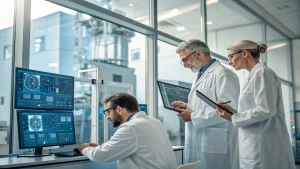
Minkwan Kim, the project’s lead scientist, is testing the technology in his lab to measure its thrust. He believes the thrusters could help spacecraft reach previously unreachable regions of the universe. Spacecraft have limited fuel because of the enormous cost and energy it takes to launch them into space,” Dr.
Kim said. But these new thrusters are capable of being powered by any metal that can burn, such as iron, aluminum, or copper.
Once equipped with the Super Magdrive system, a spacecraft could land on a comet or moon rich in these minerals and harvest what it needs to refuel before continuing its journey.
Super Magdrive propulsion innovation
This could open up vast new frontiers and accelerate our understanding of the universe. Currently, spacecraft are propelled mainly by rare gas phase fuels such as xenon or krypton once they are above the Earth’s atmosphere. The Southampton scientists are collaborating with a British-based space firm, Magdrive, to develop a new propulsion system.
The Super Magdrive project recently received a £1 million grant from the UK government to bring the concept to life. Dr. Kim, who created the thruster design, hopes the technology can be used for future deep-space missions.
The system could help us explore new planets, seek out new life, and go where no human has gone before – enabling never-ending discovery,” he added. The development of the metal-fueled rocket thruster marks a significant step forward in space exploration technology. If successful, it could pave the way for spacecraft to venture further into the universe, potentially leading to groundbreaking discoveries and a deeper understanding of the cosmos.

Noah Nguyen is a multi-talented developer who brings a unique perspective to his craft. Initially a creative writing professor, he turned to Dev work for the ability to work remotely. He now lives in Seattle, spending time hiking and drinking craft beer with his fiancee.