Efficient IT management is a key success factor for all technology-driven businesses. As companies grow and their IT infrastructures become more complex, managing IT issues and requests can easily become overwhelming. That’s when IT ticketing systems come into play. These systems are designed to streamline IT operations, prioritize tasks, and resolve technical issues promptly and efficiently.
Here, we take a closer look at what the best IT ticketing systems are for a technology business, how to choose the right one for your organization, and what features you should look for to maximize IT management efficiency.
What is an IT Ticketing System?
An IT ticketing system is a software tool used to track IT support requests called “tickets” within an organization. Such tickets can be initiated by employees facing technical problems, automated monitoring systems, or proactive IT staff who identify potential issues before they escalate. The ticketing system should serve as a centralized platform where IT teams can track issues, prioritize, perform task assignments, and respond to requesters. An ideal system ensures that IT resources are utilized efficiently, minimizing downtime and enhancing overall productivity.
Why IT Ticketing Systems are Important for Technology Businesses
For technology companies, a well-organized IT platform is the backbone of operations. A structured system ensures issues, ranging from software bugs to network outages, are managed effectively through support requests. Below are a few reasons why investing in a top-tier IT ticketing system is essential for tech companies:
- Faster Response and Resolution Times
An IT ticketing system enables teams to categorize and prioritize support requests based on urgency and complexity, ensuring that critical issues are addressed promptly. Faster resolution times translate to less downtime and increased employee productivity. - Better Collaboration of IT Teams
Most ticketing systems include team assignments, internal notes, and communication tools that allow IT teams to collaborate seamlessly, especially in larger companies where multiple specialists may work together on a single issue. - Centralized Documentation and Knowledge Management
A good IT ticketing system retains a history of resolved tickets, solutions, and responses, creating a valuable knowledge base. This knowledge base helps IT teams solve recurring issues more efficiently, maintaining consistent support quality. - Data-Informed Decision-Making
Modern ticketing systems provide reporting and analytics features that give insight into common IT problems, recurring issues, and team performance. This data-driven approach helps IT managers make informed decisions about future technology investments.
For technology companies, a well-organized IT platform is the backbone of operations. A structured system ensures issues, ranging from software bugs to network outages, are managed effectively through support requests. Understanding the difference between IT security and cyber security is also crucial for comprehensive IT management. For more on this topic, explore this article on IT security vs. cyber security.
Key Features to Look for in the Best IT Ticketing Systems
Choosing the right IT ticketing system can be challenging due to the wide variety of solutions available. Here are some essential features tech businesses should consider:
- Ticketing Automation
Automation is one of the most critical features of any IT ticketing system. It allows proper prioritization and escalation of critical issues, reducing the chances of significant downtime. - User-Friendly Interface
A clean, intuitive interface is essential for both the IT team and end-users. It allows IT professionals to navigate tasks easily while ensuring that end-users can submit requests without confusion. - Configurable Workflows
A good ticketing system should allow customizable workflows to fit the IT team’s unique processes, including custom fields, ticket categories, and automated workflows that match organizational needs. - Multi-Channel Support
Tech teams need to be accessible through multiple channels, including email, chat, phone, and web portals. A modern IT ticketing system should support multi-channel integration to streamline communication. - Integration with Other Tools
Seamless integration with other software, such as project management tools, monitoring systems, and CRM platforms, enables a more holistic approach to IT management. - Mobile Accessibility
A good ticketing system should have a mobile-friendly interface or dedicated app allowing IT staff to manage tickets from anywhere, ensuring support is available outside office hours. - Analytics and Reporting
In-depth analytics and reporting are crucial for understanding IT team performance and identifying improvement areas.
Choosing the right IT ticketing system can be challenging, given the wide variety of solutions available. For an overview of the top IT management solutions in the market, take a look at this blog post on the best enterprise IT management software.
Top IT Ticketing Systems for Technology Businesses
When choosing the best IT ticketing system, tech businesses should evaluate options based on their specific needs, budget, and scale. Here’s a breakdown of some popular systems:
- ServiceNow
A highly customizable system, ideal for larger tech enterprises, featuring automation, analytics, multi-channel support, and a range of IT service management tools. - Jira Service Management
Known for its agile project management features and integrations with other Atlassian products, Jira is a customizable option for companies needing a hybrid system for IT management and project tracking. - Zendesk for IT
It offers a user-friendly interface, multi-channel support, customizable ticket forms, and robust reporting tools. It is ideal for companies that prioritize ease of use and scalability. - Freshservice
A cloud-based system focused on simplicity and automation, suitable for smaller tech businesses or those new to IT ticketing. - SolarWinds Service Desk
It combines ticketing with asset management, change management, and ITIL practices, making it ideal for mid-sized to large tech organizations.
Best Practices for IT Ticketing System Implementation
Implementing an IT ticketing system requires careful planning to ensure it meets your tech business needs. Consider these best practices:
- Identify Key Requirements
Assess the needs of your IT team and business, such as user numbers, ticket types, and desired features, to guide system selection. - Involve Your IT Department
Include IT team input in decision-making to ensure the chosen system aligns with their workflow. - Test the System Before Deployment
Use free trials or demo versions to identify potential issues before a full rollout. - Train IT Staff and End Users
Provide thorough training to minimize confusion and ensure a smoother transition. - Monitor Performance and Gather Feedback
Continuously monitor system performance and collect feedback for ongoing improvements.
Conclusion
Choosing the best IT ticketing system is essential for tech businesses aiming to optimize IT management. A high-quality system enhances productivity, communication, and data-driven decision-making, significantly impacting business efficiency and growth. For further insights into helpdesk software options, check out this guide on the best helpdesk software.
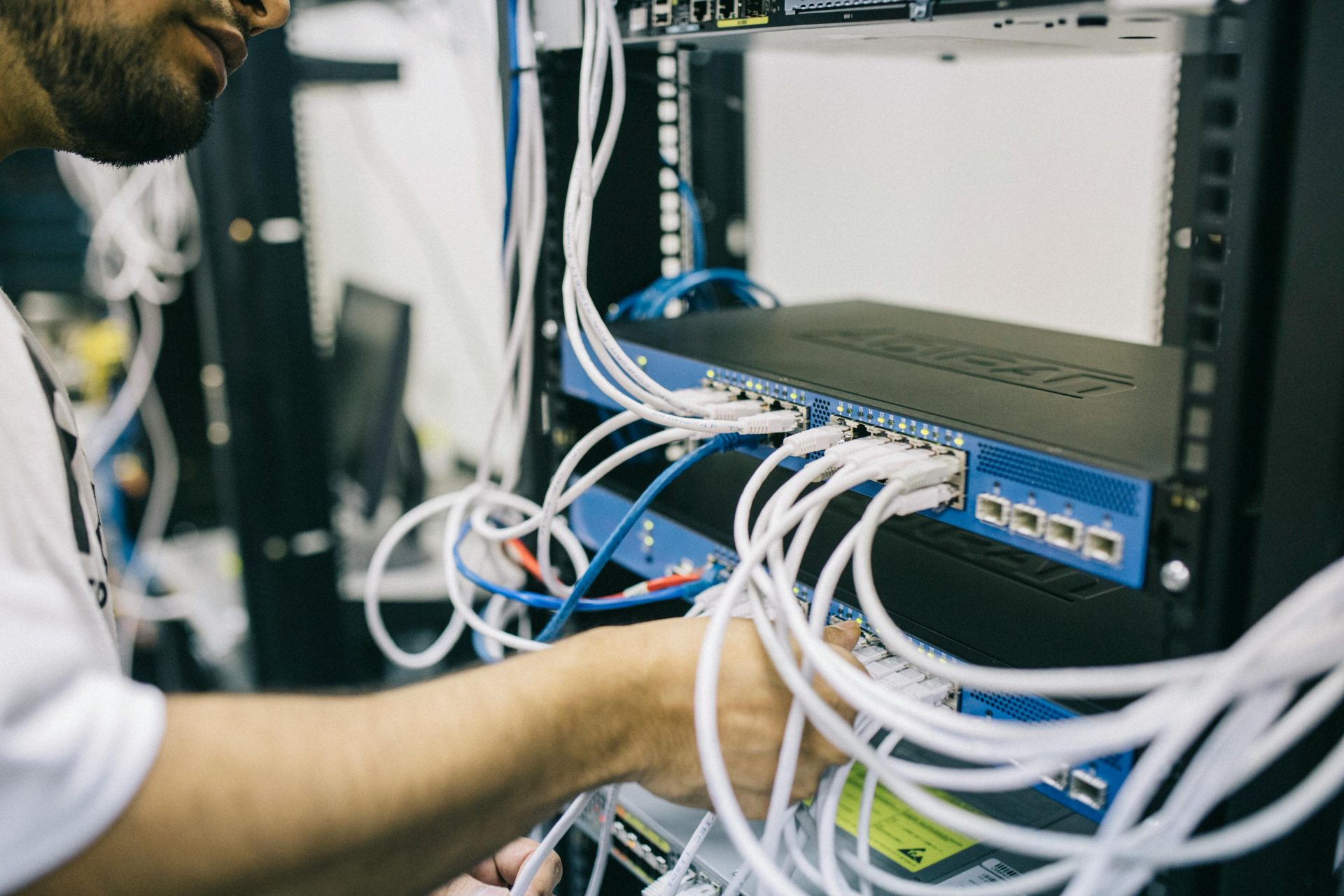
Photo by Field Engineer: Pexels

Kyle Lewis is a seasoned technology journalist with over a decade of experience covering the latest innovations and trends in the tech industry. With a deep passion for all things digital, he has built a reputation for delivering insightful analysis and thought-provoking commentary on everything from cutting-edge consumer electronics to groundbreaking enterprise solutions.