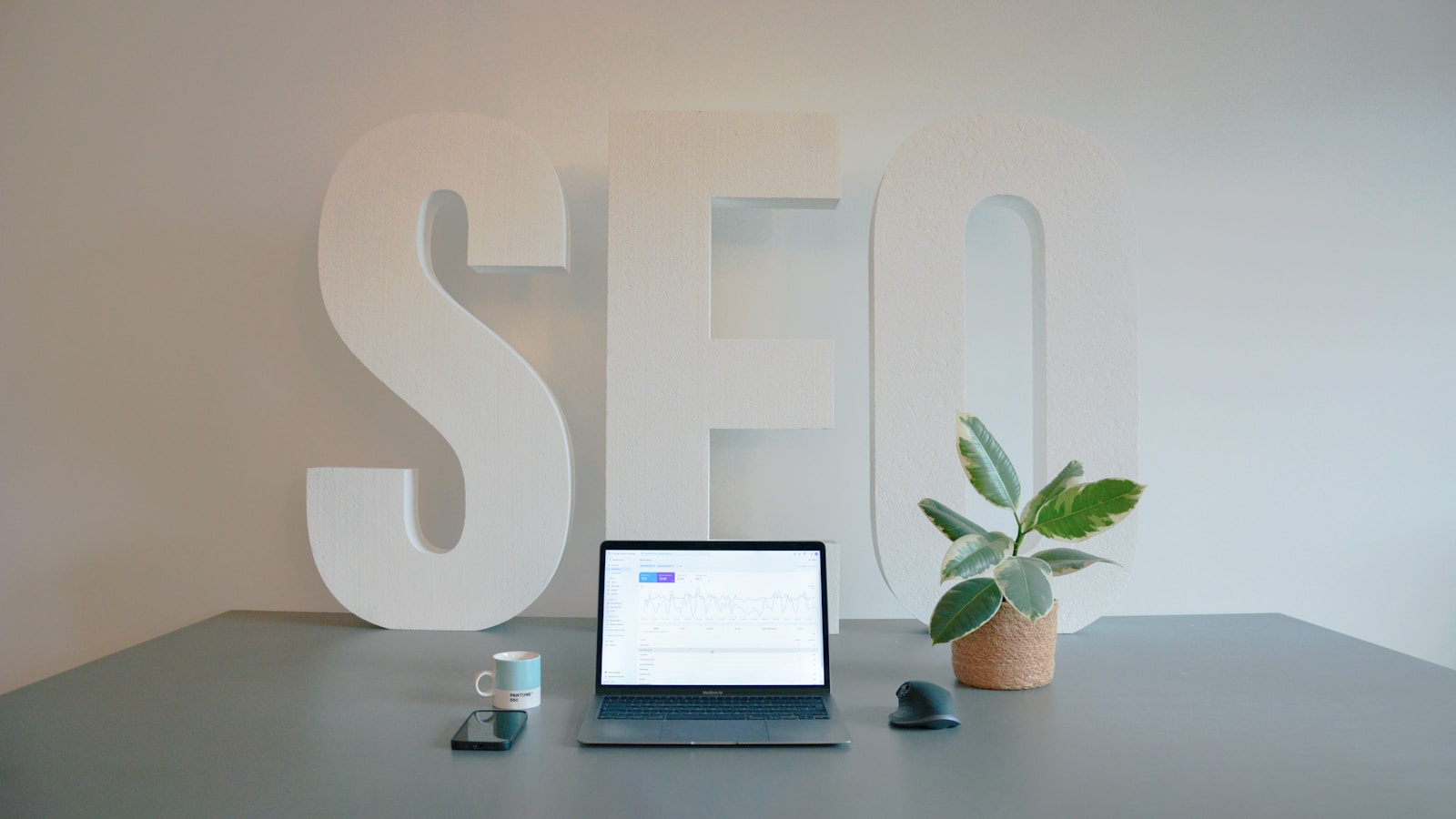
Running an SEO campaign without tracking the right metrics is like flying a plane without instruments—you won’t know what’s working or when you’re off course. Automated AI tools now make it easier to measure what matters most. But that doesn’t mean every stat deserves your attention. When AI is steering your SEO ship, some metrics give clearer, faster insight than others. Here are five data points that should stay front and center in every campaign powered by automation.
1. Keyword Movement Over Time
Seeing your content rank for new keywords is exciting. But real success comes from watching how those rankings evolve week after week. AI tools can track keyword movement in real time, helping you see what’s trending up, what’s slipping, and why. When analyzing keyword movement, focus on positions within the top 20. Those pages are close to earning significant traffic. If they climb higher, you’ll notice results faster. And with automated AI SEO, you’re not just seeing changes—you’re seeing them while there’s still time to act.
What makes this metric even more valuable with automation is speed. You don’t have to run reports manually or wait for delays. Systems like Ahrefs or Semrush monitor everything continuously and even flag abnormal patterns. For example, if a newly optimized page suddenly jumps five spots, the tool might highlight which changes drove that shift.
2. Organic Traffic Growth
Search traffic is the goal, but not all growth is equal. AI systems do more than just count clicks—they analyze intent, source quality, and user behavior. This helps you understand whether your traffic is valuable or just volume.
For example, a spike in visits might seem great, but something’s off if those users leave quickly or never return. Tools like Google Analytics combined with AI overlays can reveal which content attracts real engagement.
The biggest benefit of automation here is efficiency. You’re not sifting through data or waiting for slow analytics rollouts. Instead, you get visual dashboards with the insights already prioritized.
Pay attention to which pages are driving new visitors and sales and which are declining. AI tools can even suggest updates for underperforming pages to bring them back into the spotlight.
3. Click-Through Rate (CTR) in SERPs
Ranking on the first page doesn’t mean much if nobody clicks. That’s why CTR is so important. It shows how appealing your content looks in search results. AI tools analyze meta titles, descriptions, and even formatting to predict which changes will improve clicks.
High impressions with low clicks? That’s a sign your content may need a new hook or clearer description. Automated SEO platforms often test and tweak snippets until they land on what works.
With automated systems in place, you can set CTR benchmarks and let the platform run A/B variations in the background. Over time, you’ll see what types of copy and structure get the most attention—and what doesn’t.
4. Crawl Health and Indexing Status
If search engines can’t access or understand your site, rankings won’t matter. That’s why monitoring crawl health and indexing should never be skipped. AI-powered tools perform regular scans of your site to catch technical issues before they do real damage.
They check for broken links, duplicate content, redirect errors, and slow load times—key issues that impact indexing and user trust. These scans happen automatically and alert you when thresholds are crossed.
This kind of insight is especially helpful in large websites where problems can go unnoticed. AI doesn’t just report the issues—it recommends fixes, ranks their importance, and helps you implement them.
Without this visibility, small technical errors can quietly hold back your rankings. A good automated AI SEO system won’t let that happen.
5. Engagement Metrics: Bounce Rate and Time on Page
Getting clicks is step one, but keeping users engaged is where SEO wins. That’s where user engagement comes in. Bounce rate and time on page are two simple yet powerful metrics to track how well your content resonates.
If users land on a page and leave immediately, you’re either targeting the wrong audience or giving them the wrong content. AI systems help solve this by analyzing page layout, reading ease, and content depth.
They can also spot patterns across your site. For example, if blog posts under 800 words have higher bounce rates, the system might suggest lengthening them or adding internal links.
You can build a content library that ranks and converts by understanding what attracts attention and what doesn’t.
Final Thoughts
An automated campaign doesn’t mean a hands-off one. The real advantage is speed—getting the right insights faster and acting on them sooner. Tracking keyword movement, organic traffic, CTR, crawl health, and user engagement gives you a clear picture of what’s working.
With the right tools, you’re not buried in data—you’re guided by it. And when your metrics start to move in the right direction, you’ll know your automated AI SEO campaign is doing exactly what it should.
Photo by Lukas Müller; Unsplash

Senior Software Engineer with a passion for building practical, user-centric applications. He specializes in full-stack development with a strong focus on crafting elegant, performant interfaces and scalable backend solutions. With experience leading teams and delivering robust, end-to-end products, he thrives on solving complex problems through clean and efficient code.