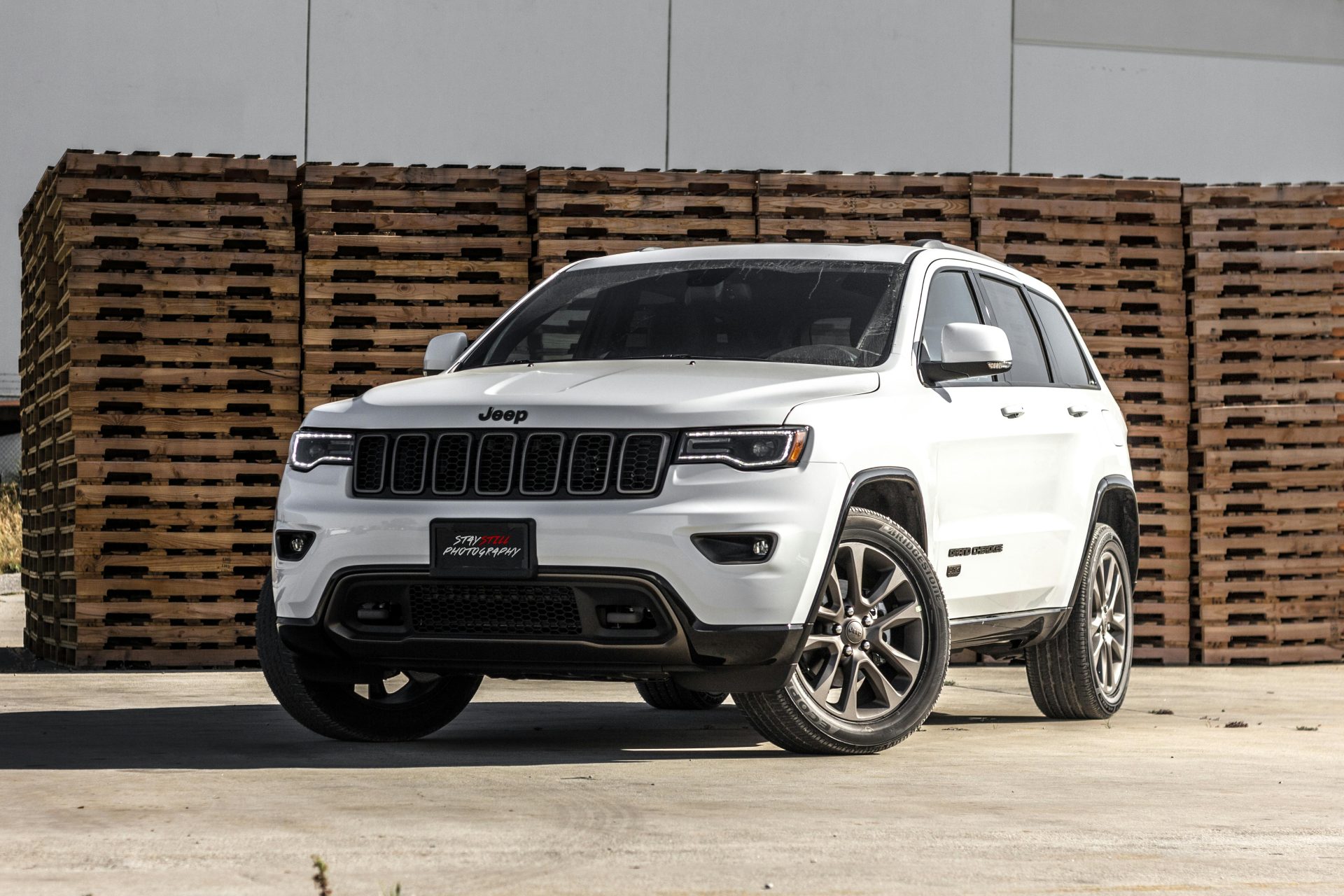
The picture of your vehicle posted online defines the potential buyers’ impression of it. High-quality pictures boost the value of items for sale and captivate attention right from the start. Photography for car dealerships advertising a fleet and individual sellers willing to sell a single item is an effective tool to impact the buyers’ decision-making process. Learning how to take pictures of your car will help you highlight its best features, turning browsers into buyers. This article dives into specific tips and tricks for strategic storytelling in car photos to ensure your listings stand out in the competitive market.
Setting Up
Start by washing the exterior. Remove dirt and debris that could be potentially distracting, such as dust or mud splashes on the windows. Apply a coat of wax to give the paint a glossy, new look, and move on to the interiors. Vacuum the carpets and clean the dashboard.
Choose a clean, uncluttered location that complements your main subject’s style. A quiet street, a parking lot, or in front of a nice building will work perfectly, but ensure no distracting elements steal your vehicle’s focus.
Plan a photo shoot during the golden hours when the light is softer and warmer. Choose a well-lit area with no harsh direct sunlight. This approach will allow you to avoid overexposed spots and unwanted shadows that create extra challenges when you edit car photos. If it is impossible, have a photoshoot indoors, in a garage. The light should be soft and illuminate the car evenly.
Essential Tips for Car Photos
Camera Settings
Prioritize a manual mode for a DSLR or mirrorless camera or a pro/advanced mode for a smartphone camera for more precise control over the adjustments. Adjust the ISO as low as possible to prevent digital noise. Select a mid-range aperture around f/8 to showcase all the necessary details without distractions. A fast shutter speed is preferable for outdoor shooting, especially on a windy day. Adjust the white balance. Check for focus and exposure.
Composition
Ensure the main subject fills the frame adequately and avoid any unnecessary elements. Apply the Rule of Thirds to guide the viewer’s eye. Taking multiple shots from different angles to have a selection to choose from. Experiment with different perspectives, distances, and compositions. In further sections, we will observe the most appealing angles for vehicle photography.
Review
Sometimes, what you see on a small screen might look different on a larger display. That is why it is necessary to review the photos after they are taken. If the results do not meet your expectations, make the necessary adjustments and retake the photos.
The Best Car Photo Angles
Start with a classic front-angle shot for a commanding and aggressive appearance. Position your camera at a low angle and point slightly upward to emphasize the design of the front grille and headlights. The car brand is often an attention grabber that resonates with an audience, so ensure the brand logo is seen.
Take a rear angle shot from the opposite side of the vehicle to highlight the tail lights, bumper, and overall shape of the back. Showcase unique features, such as dual exhausts or custom spoilers.
Stand parallel to the car and try to capture it from nose to tail in one smooth shot to showcase its length and lines. The silhouette and design are the main selling points for sports cars and luxury vehicles, so if it is your case, use a side angle for a better appeal.
Position yourself at a 45-degree angle from the corner of the car to capture the depth and width in a three-dimensional perspective. Ensure you do this for both the front and rear corners of the vehicle to provide the optimal view of the front and the sides.
Open the doors or windows to capture the dashboard, seats, and interior condition. If possible, use a wide-angle lens to get a more comprehensive view of the inside. Brighten up dark areas using artificial lighting equipment if needed.
Close-up shots of the wheels and details like the instrument cluster, odometer, or any custom parts can help emphasize the car’s condition and features. Focus on unique additions and well-maintained stock components.
Conclusion
This guide explained the importance of preparation and the technical aspects of capturing great vehicle shots. We have also highlighted the artistic considerations of composing car photos to create a captivating visual story that will speak directly to future buyers.
By following the outlined steps, you have equipped yourself with the tools to transform simple snapshots into powerful sales aids showcasing your vehicle in the best light possible.
The effort you put into photographing your car can decrease the time it spends on the market and increase its final sale price. With your newfound skills, you are not just selling a car; you are selling a possibility and a lifestyle that your beautifully captured images convey.
Photo by Aaron Curtis: Pexels

Kyle Lewis is a seasoned technology journalist with over a decade of experience covering the latest innovations and trends in the tech industry. With a deep passion for all things digital, he has built a reputation for delivering insightful analysis and thought-provoking commentary on everything from cutting-edge consumer electronics to groundbreaking enterprise solutions.