It’s tempting to dismiss print as a relic of the past in an era dominated by cloud storage, instant downloads, and AI-driven documentation tools, especially for developers who live in a world of code repositories and digital wikis. Yet printed manuals, handbooks, and physical documentation still hold surprising power and relevance. From boosting onboarding efficiency to supporting better knowledge retention, here are four reasons why print can be a strategic tool in the developer’s toolkit, if used wisely.
1. Printed Manuals Anchor Knowledge in a Fast-Moving World
Modern software development is a constant evolution of frameworks, libraries, and APIs that occurs rapidly. Online documentation updates quickly, which is vital, but this same fluidity can also be its weakness. Sometimes, teams need a stable, authoritative reference that doesn’t change with every commit.
This is where custom book printing online services make a difference. Companies can provide developers with a tangible resource that acts as a single source of truth, whether it’s printing a physical copy of an API guide, an internal engineering handbook, or a specialized training manual.
Unlike a Wiki that you can edit on the fly, for better or worse, a printed manual freezes knowledge at a moment in time. This can be crucial for regulated industries, long-term projects, or when onboarding new developers who need to grasp core systems without distraction.
Printed materials also help anchor important concepts. Developers juggling multiple screens can appreciate having a printed quick-start guide at their desk, no alt-tabbing, no window switching. You will have clear information that’s easy to flip through and mark up with sticky notes or highlighters.
2. Better Onboarding and Training with Physical Docs
Onboarding new developers is one of the biggest productivity sinks for tech teams. Well-organized, thoughtfully designed printed manuals can cut down ramp-up time significantly. New hires are less likely to waste time searching Slack threads or outdated intranet pages when they receive a physical handbook outlining workflows, coding standards, system architecture, and key contacts.
Printed training materials are also more engaging during workshops and bootcamps. Studies consistently show that people absorb and retain information better when they read on paper versus screens. Physical documentation encourages focus; there are no pop-ups or notifications to break concentration. For companies running in-person training sessions, handing out printed booklets ensures everyone works from the same page, literally and figuratively.
3. Supporting Compliance and Reducing Risk
Certain industries, like healthcare, finance, or aerospace, have strict compliance and audit requirements. In these cases, printed documentation provides a fixed record of processes and standards at a specific point in time. This can be critical if regulators ever come knocking.
It’s also easier to control distribution. You can lock a printed set of instructions for secure code deployment or incident response in a safe, hand it only to authorized personnel, or provide it as part of secure disaster recovery plans.
4. Printed Materials Can Strengthen Team Culture and Brand Identity
Printed documentation can reinforce a sense of unity and professionalism within a development team beyond practical benefits. A well-designed printed handbook or technical guide signals that leadership values clarity, quality, and investment in their people. Handing a new hire a branded, printed manual can make onboarding feel more intentional and welcoming for startups, growing tech companies, and small businesses.
Physical materials at hackathons, meetups, or customer demos also boost a company’s brand presence and leave a lasting impression. These small details can help teams stand out and foster a stronger, more connected culture in a competitive industry.
Endnote
With remote work on the increase and teams getting more distributed, a seemingly small intervention can be having clear, stable, printed resources as an effective way of ensuring teams remain aligned. Prior to writing off print as outdated, developers and tech executives must consider the areas where physical documentation can be useful.
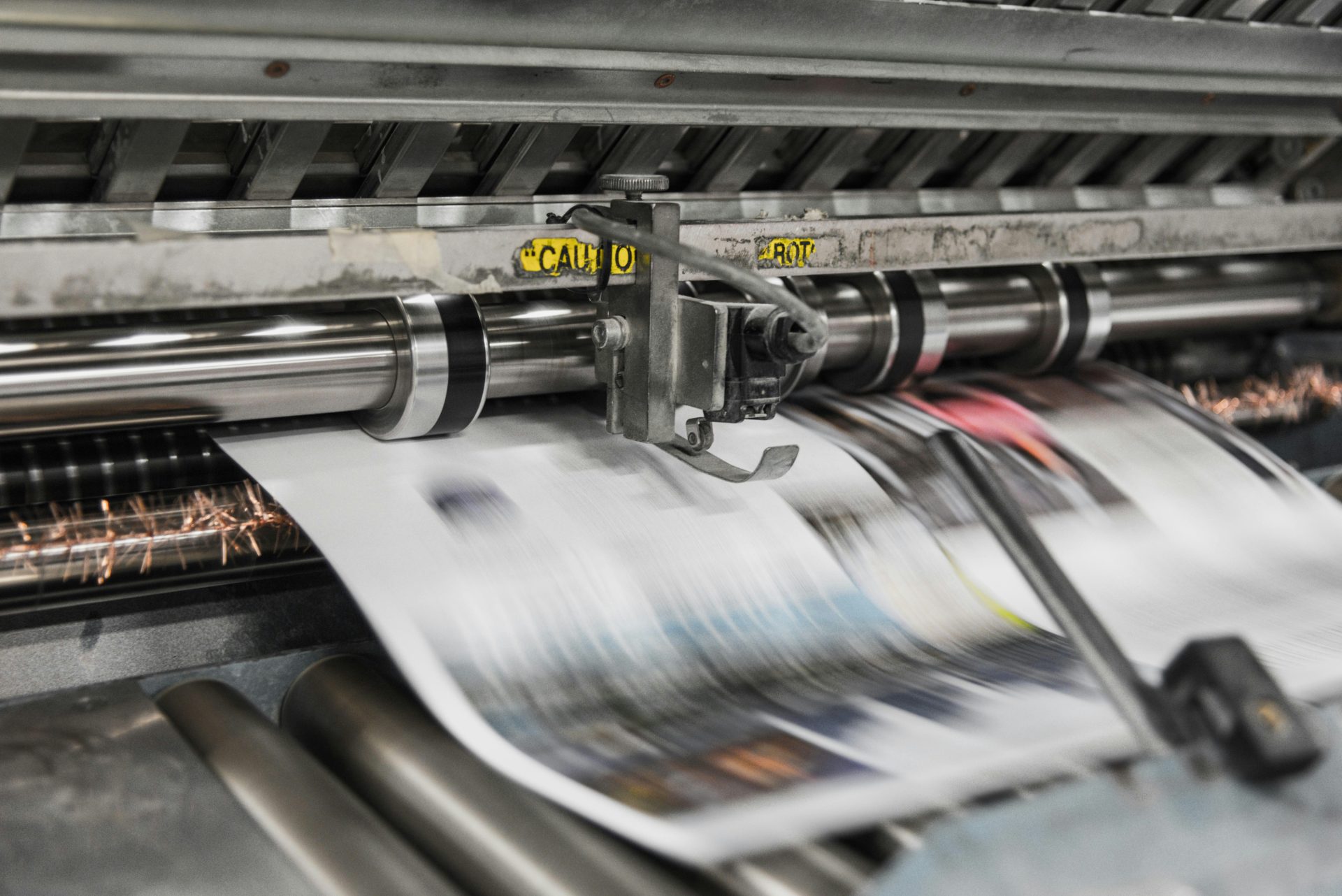
Photo by Bank Phrom; Unsplash

Senior Software Engineer with a passion for building practical, user-centric applications. He specializes in full-stack development with a strong focus on crafting elegant, performant interfaces and scalable backend solutions. With experience leading teams and delivering robust, end-to-end products, he thrives on solving complex problems through clean and efficient code.