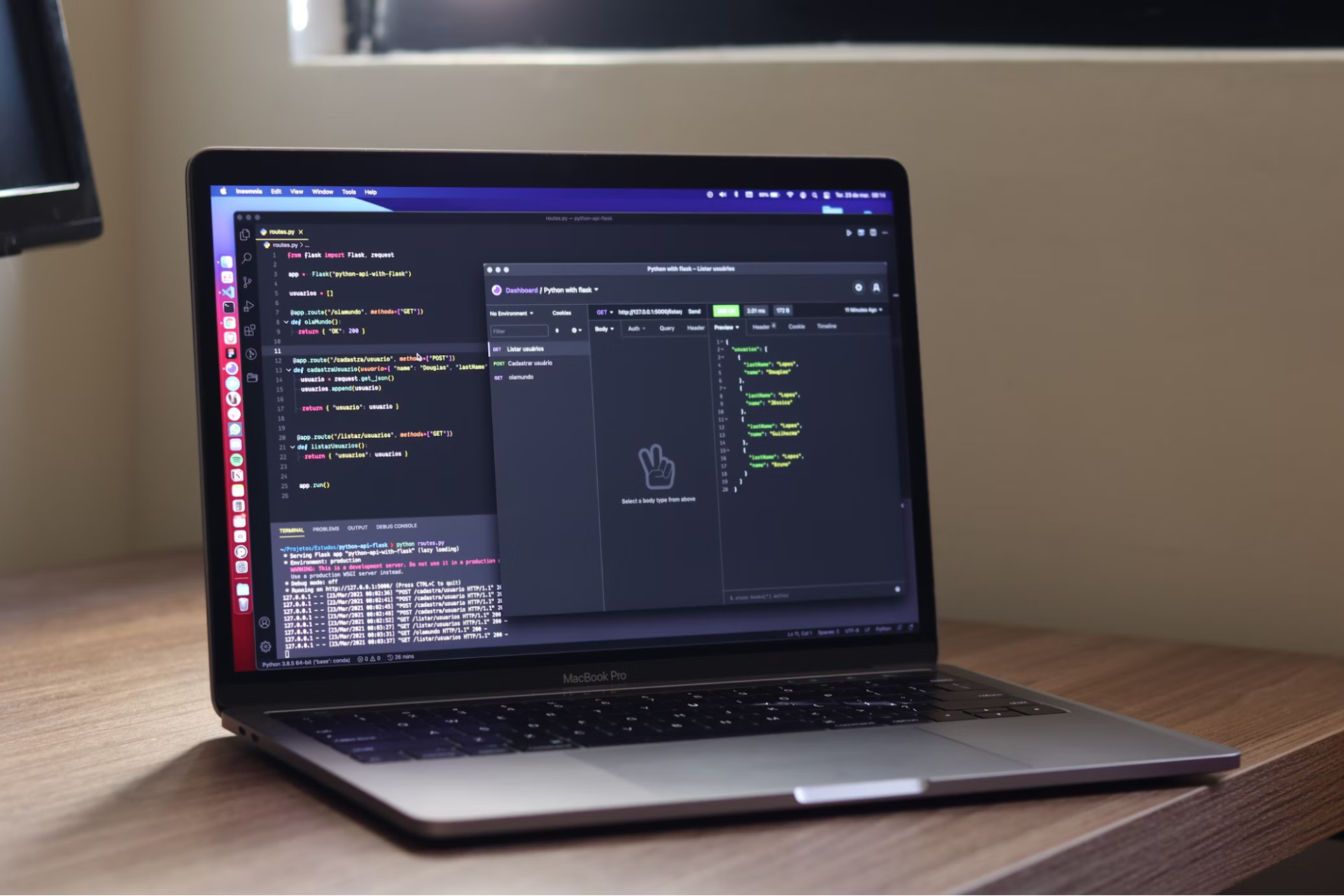
In today’s digital world, APIs are now the foundation of modern software applications, facilitating seamless integration among different applications, enabling automation, and optimizing digital experience at scale. However, the increased growth has created an enormous attack surface and security vulnerabilities.
According to Gartner, 50% of enterprise APIs will be unmanaged, resulting in substantial visibility gaps and increasing the likelihood of data breaches via unsecured APIs.
Traditional security tools such as outdated WAFs and gateways are not designed to secure these vast and undocumented APIs. To successfully reduce the growing attack surface, organizations need to implement purpose-built API security solutions that provide ongoing runtime protections, automated discovery, and posture management.
In this article, you will learn the eight best API security solutions in 2025, their key features, strengths, and ideal use cases. Whether you’re looking for runtime protection, developer-first integrations, or compliance support, this guide will help you choose the right solution to secure and protect your growing API usage.
Best API Security Solutions in 2025
To reduce the attack surface and security vulnerabilities of APIs, organizations must adopt value-driven API security solutions. These solutions not only address known vulnerabilities but also unknown vulnerabilities such as runtime threats, misconfigurations, and undocumented endpoints. Here are some of the best API security solutions that offer varying approaches, from developer-first integration to AI-driven analysis, which fit your architecture and support operational growth:
1. Pynt

Pynt is a developer-centric API security solution that shifts security left by integrating seamlessly with Postman, CI/CD pipelines, and API workflows. It automates security testing during development, allowing teams to detect and fix critical API and business logic vulnerabilities before code reaches production.
By scanning Postman collections and OpenAPI specifications, Pynt identifies common issues like broken object-level authorization (BOLA), injection flaws, and improper rate limiting. It then generates reusable test cases that can be embedded into CI/CD pipelines to ensure continuous security validation and prevent regressions.
What sets Pynt apart is its focus on automation and developer experience. Rather than relying on manual testing by security experts, it builds test cases directly from your API documentation and collections. This streamlined approach makes it ideal for teams looking to integrate proactive API security into their development lifecycle without disrupting delivery or existing workflows, especially when addressing complex, logic-driven vulnerabilities.
2. Salt Security
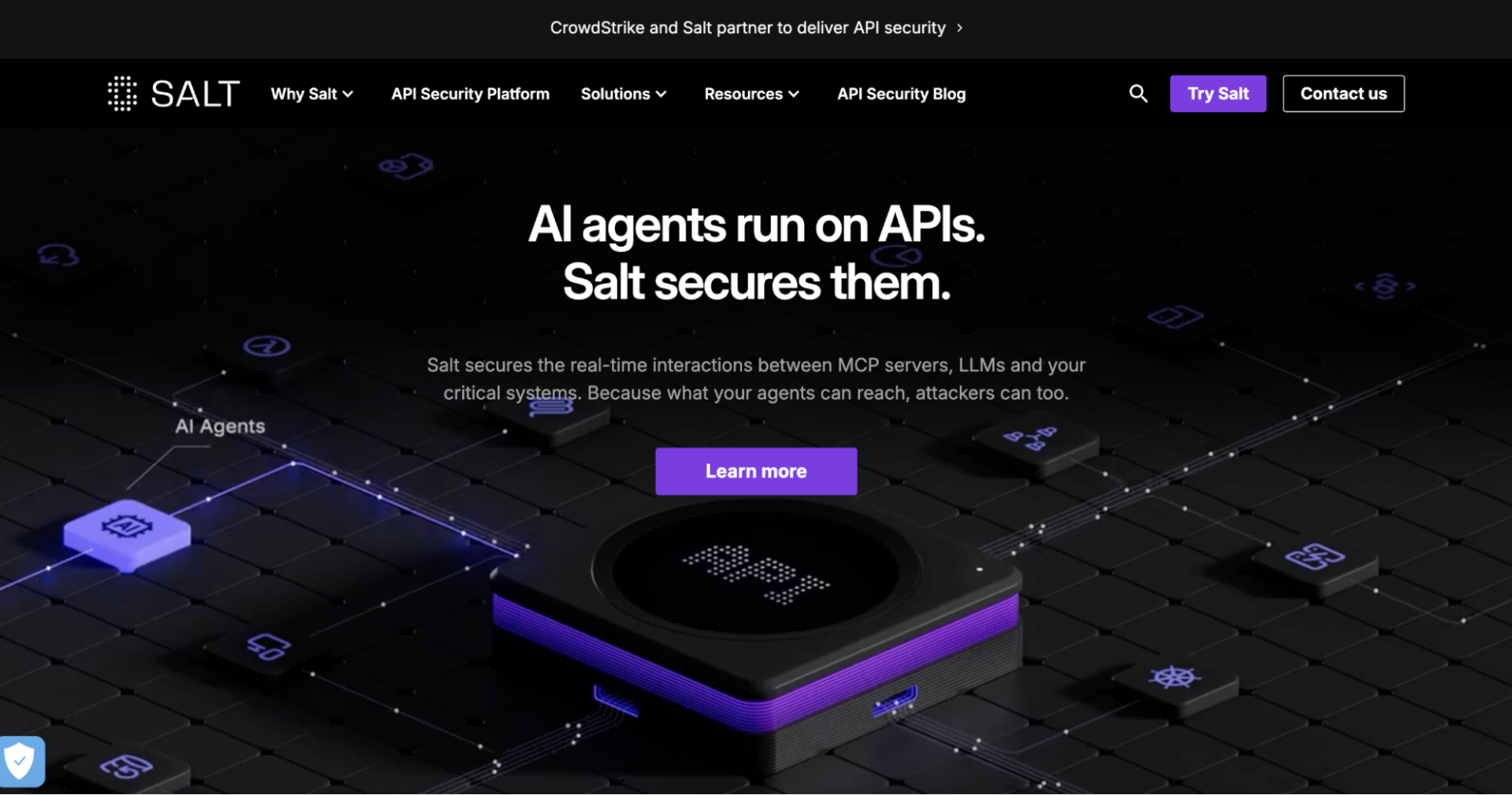
Salt Security has an API runtime protection solution that keeps an eye on the detection and prevention of API abuses by constantly monitoring user behavior and traffic. It employs AI and big data to establish normal behavior and find anomalies like credential stuffing, data exfiltration and business logic abuse even in authenticated sessions. This way, you can detect attacks that bypass your traditional security tools and only show up at runtime.
One of Salt Security’s key capabilities is its ability to automatically discover all APIs, including shadow and zombie APIs, by looking at traffic across environments. It also correlates rich API context with historical data to identify misconfigurations and vulnerabilities before malicious actors can exploit them. This is super valuable for large, constantly changing API environments that need real-time protection and visibility.
3. Noname Security (Now Akamai API Security)

Noname Security, now acquired by Akamai, is an API security offering that falls under Akamai’s API security umbrella. It offers an extensive solution for handling API posture and securing APIs at runtime. This solution provides visibility into all your API endpoints, whether they’re documented or not. It achieves this by discovering shadow, deprecated, and orphaned APIs throughout your environment.
With the help of traffic analysis and behavior monitoring, Akamai API security can identify misconfigurations, suspicious activity, and potential vulnerabilities in real time. Additionally, the solution supports extensive compliance reporting and a posture dashboard that helps teams stay compliant with industry standards, including PCI, DSS, GDPR, and HIPAA.
4. Traceable
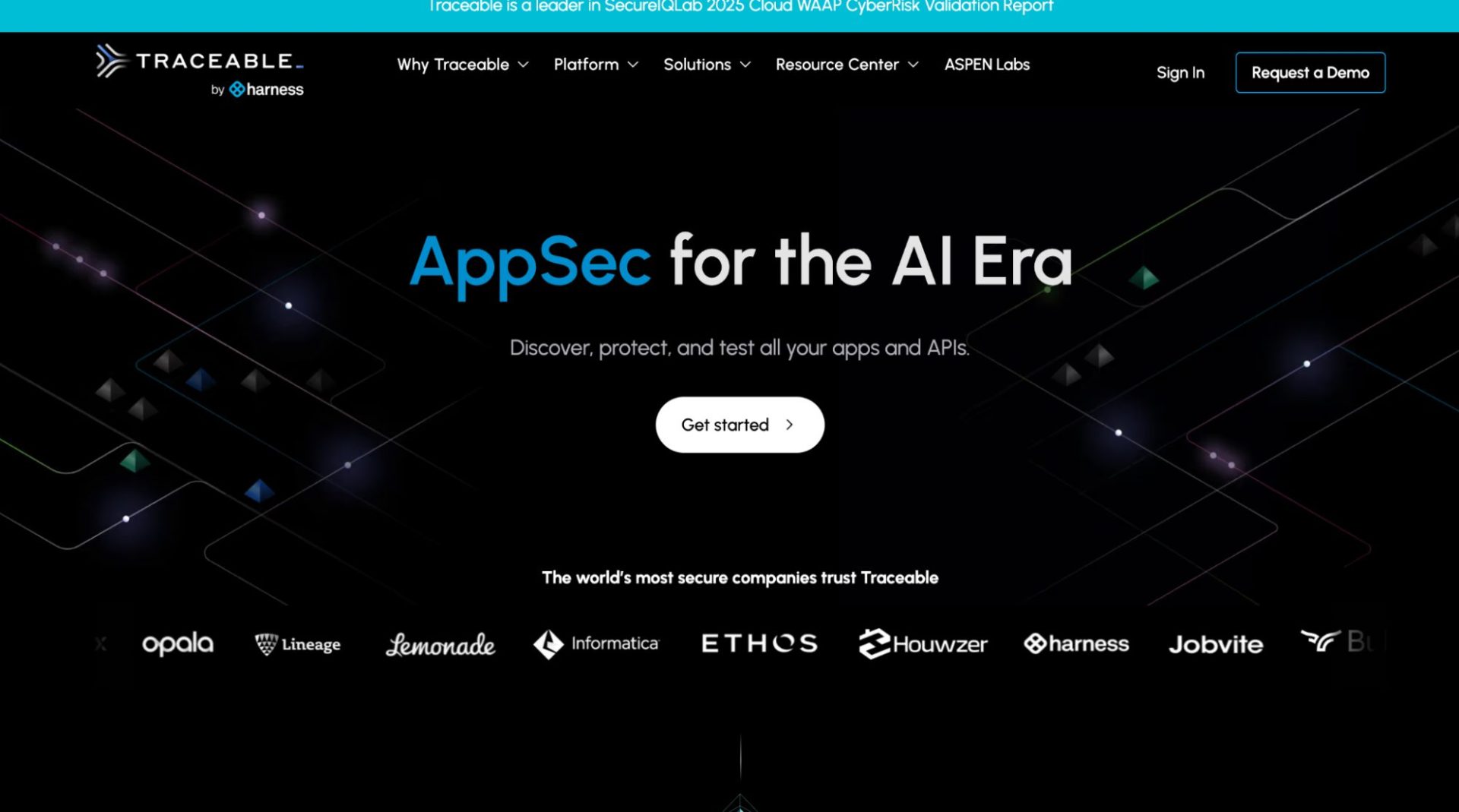
Traceable is an end-to-end API security solution that delivers comprehensive visibility into end users’ interactions across all APIs. This solution uses distributed tracing and machine learning to know the context of API traffic. This enables it to determine who is doing what, when actions are taken, and why an action is carried out, making it accurate in identifying threats such as API abuse, fraud, and exposure of critical data.
5. 42Crunch

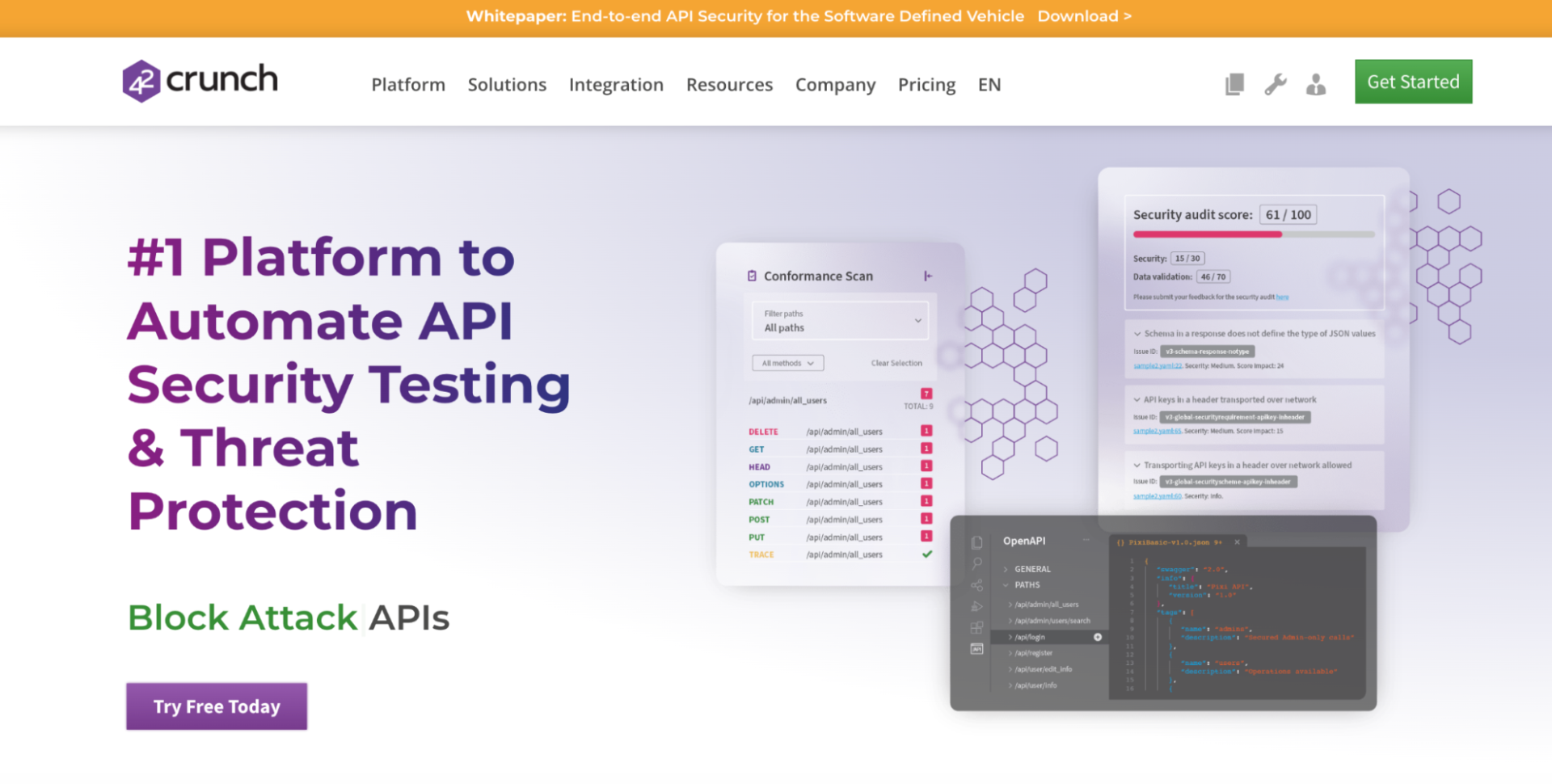
42Crunch is a balanced API security platform that combines the capabilities of both static and dynamic testing to ensure API contracts are precise and compliant. It begins with an API audit, which runs over 200 security checks against your OpenAPI (OAS) definitions, including authentication, transport, data validation, OWASP API Security standards, and more.
42Crunch stands out due to its seamless integration into developer workflows. It has plugins that allow security audits and scans to run as part of CI/CD pipelines or directly from an IDE (like VS Code). It also supports both Docker-based and SaaS-based scanning, providing teams with the flexibility and control they need. The security-as-code nature of the 42Crunch approach empowers developers to detect contract drift and API misconfiguration before they become vulnerable.
6. Data Theorem
Data Theorem provides continuous visibility and active protection for modern web applications and mobile APIs. This API security solution integrates seamlessly into the full development lifecycle. It automatically finds APIs, whether they’re documented or not, and tracks them in real-time. Then, it applies static and dynamic testing along with runtime protections. This uniqueness enables you to gain insight into large API footprints and receive real-time alerts on misconfigurations or vulnerabilities as they occur.
Data Theorem stands out for its code-to-cloud approach. This solution has an Analyzer Engine that continually probes live APIs during runtime by integrating SAST, DAST, and API-specific testing into a unified pipeline. This brings about instant feedback in CI/CD workflows and ongoing monitoring in production. Data Theorem offers a consolidated and scalable solution that supports teams seeking end-to-end protection and observability without the need for multiple tools.
7. Cequence Security
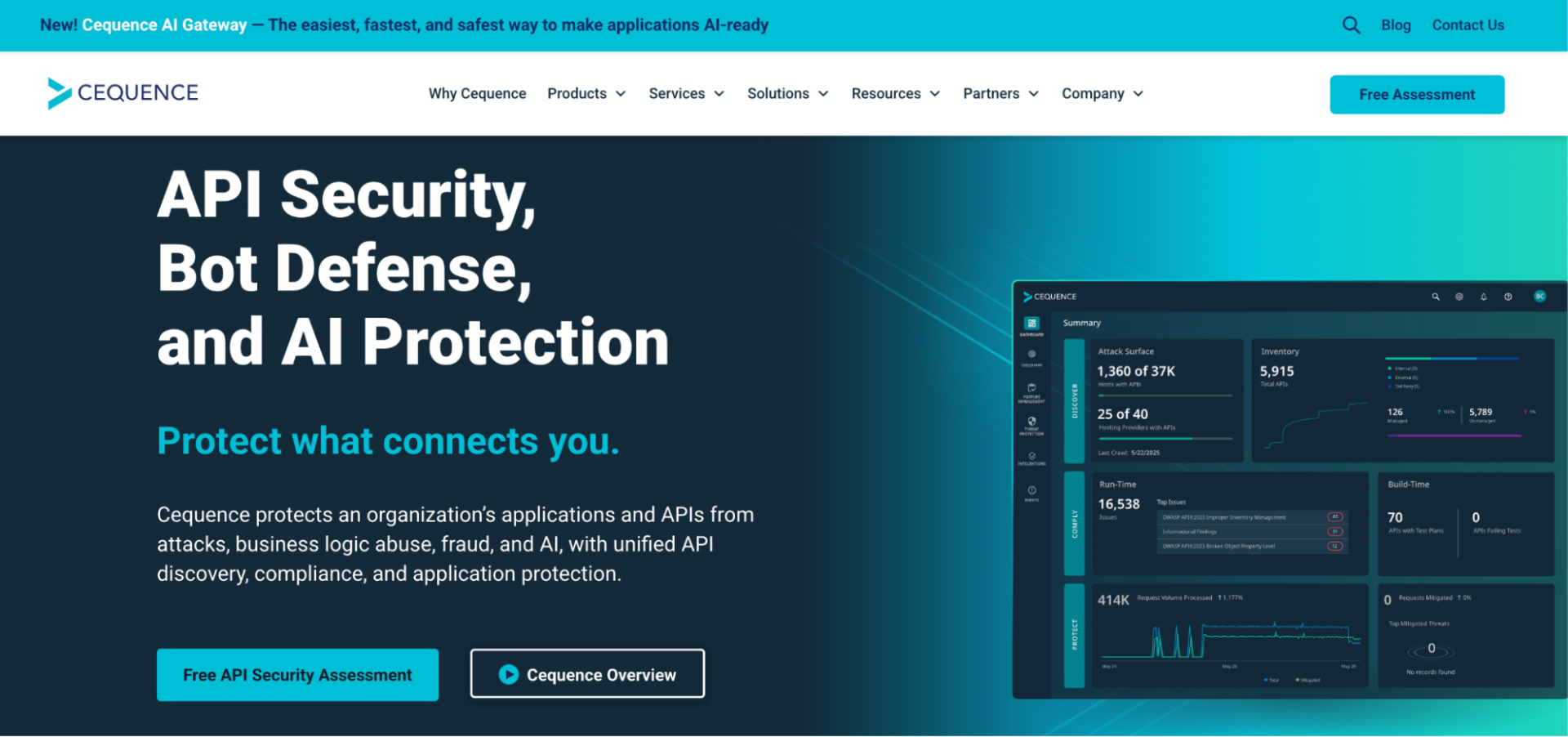
Cequence Security provides a robust protection platform that prevents bot-driven attacks and API abuses. One key strength of this solution is its ability to identify and map all API endpoints, whether documented or not, and continuously monitor traffic in real-time. Cequence Security leverages risk-based scoring and behavioral analytics to differentiate between normal and malicious API interactions, thereby effectively blocking attacks such as credential stuffing, brute force, and business logic exploitation.
The solution also provides granular control over API access management, enforces rate limits, and reduces resource consumption. Furthermore, this solution uses a detailed dashboard, alerts, and audit logs to help the security team gain visibility and actionable insights into API threats and usage patterns.
8. Wallarm
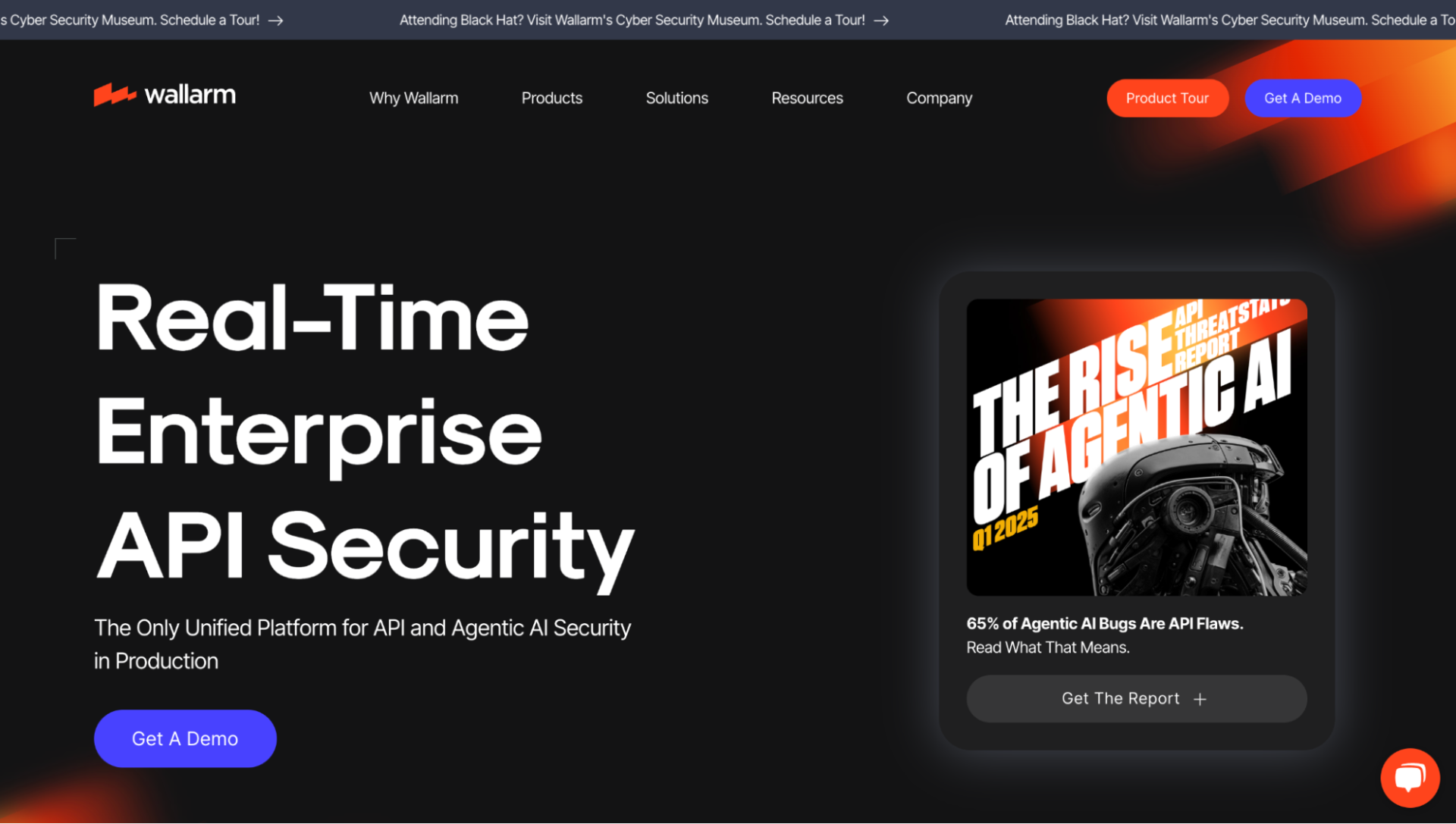
Wallarm is a next-generation API and web application security solution that combines static and dynamic analysis to protect modern workloads. This solution not only blocks API attacks but also detects them before they occur. It automatically finds APIs across both cloud-native and hybrid environments, applying vulnerability detections based on API schemas and live traffic. With Wallarm’s agentless structure and design, it delivers end-to-end protection with the help of automated and manually configured security policies. One unique feature of Wallarm is its continuous drift detection, which tracks changes in API specifications and live traffic to quickly identify and block suspicious behavior.
Why API Security is Mission-Critical in 2025
APIs now power over 80% of global internet traffic, connecting mobile apps, microservices, cloud platforms, and third-party services. Their central role makes them a prime target for attackers. Today, modern threats go beyond basic exploits – they include business logic abuse, large-scale data exfiltration, and lateral movement that bypass traditional security tools.
Many of these risks stem from the fast-paced use of CI/CD pipelines, which prioritize speed over visibility. APIs often slip through unnoticed, exposing organizations to unmonitored endpoints and weak security controls. Attack patterns today rarely rely on signature-based exploits. Instead, they demand behavioral analysis, payload inspection, and real-time monitoring to detect anomalies.
At the same time, regulatory pressure continues to grow. Frameworks like GDPR, HIPAA, and PCI DSS 4.0 mandate stricter controls, such as audit logging, encryption, and access governance. For instance, PCI DSS 4.0 now requires organizations to manage all system components, including APIs that transmit cardholder data.
Failure to meet these expectations isn’t just risky; it’s costly. T-Mobile’s 2023 breach, caused by an exposed API, compromised 37 million records and triggered lawsuits and hundreds of millions in damages. In 2025, the question isn’t *if* your APIs will be targeted, but *how ready* your defenses are when they are.
How to Choose the Right API Security Solution
Choosing the right API solution is not about the hype in online communities or random stellar reviews; it’s about making it cover throughout your application lifecycle. Here are some key considerations to keep in mind when selecting the right API security solutions.
- Coverage Across the API Lifecycle: A good solution should be able to secure APIs at every stage in the development lifecycle. This starts with shift-left testing, where security checks are embedded during development. This early intervention catches issues like hard-coded credentials, insecure configurations, and business logic flaws before they get into production code.
- CI/CD and Developer Integration: A good API security solution should seamlessly integrate into CI/CD pipelines, which aids automated security checks during development without disrupting the workflows. Your go-to solutions should be those that support plugins for platforms like Jenkins and GitHub Actions, enabling early detection of vulnerabilities.
- AI/ML Threat Detection: Modern API security tools are increasingly using AI and machine learning to spot threats by analyzing how things behave, rather than just relying on fixed rules. Unlike older systems that relied on specific signatures, AI-based solutions can learn what normal traffic looks like and quickly detect unusual activity, such as data scraping or credential stuffing, as it happens.
- Compliance and Reporting: When choosing API security tools, it’s important to think about how well they help you stay compliant with industry standards like ISO 27001, SOC 2, HIPAA, and GDPR. Good solutions often come with built-in features like logging, auditing, and reporting, making it easier to show that your security measures are in place during audits.
- Time to Value: Choosing an API security solution is all about how quickly it can start providing value. The best options are easy to get up and running, often using lightweight agents or cloud-based setups, so you see results fast.
Conclusion
API security isn’t just a bonus anymore. It’s essential for keeping your digital assets safe now and in the future. Since APIs are the backbone of most modern software, the risks they bring need smart and ongoing solutions. Whether you’re focusing on early testing, protecting systems while they run, staying compliant, or working closely with developers, selecting the right API security solution depends on your system setup, your team’s workflow, and the ever-changing threats. When you choose a solution made for your specific needs, you’ll lower risks, stay within the rules, and keep your users’ trust in this connected world.

A seasoned technology executive with a proven record of developing and executing innovative strategies to scale high-growth SaaS platforms and enterprise solutions. As a hands-on CTO and systems architect, he combines technical excellence with visionary leadership to drive organizational success.