Watch Falcon 9 launch 20 @Starlink satellites to orbit from California, including 13 with Direct to Cell capabilities https://t.co/vQvaXTtlZV
— SpaceX (@SpaceX) September 25, 2024
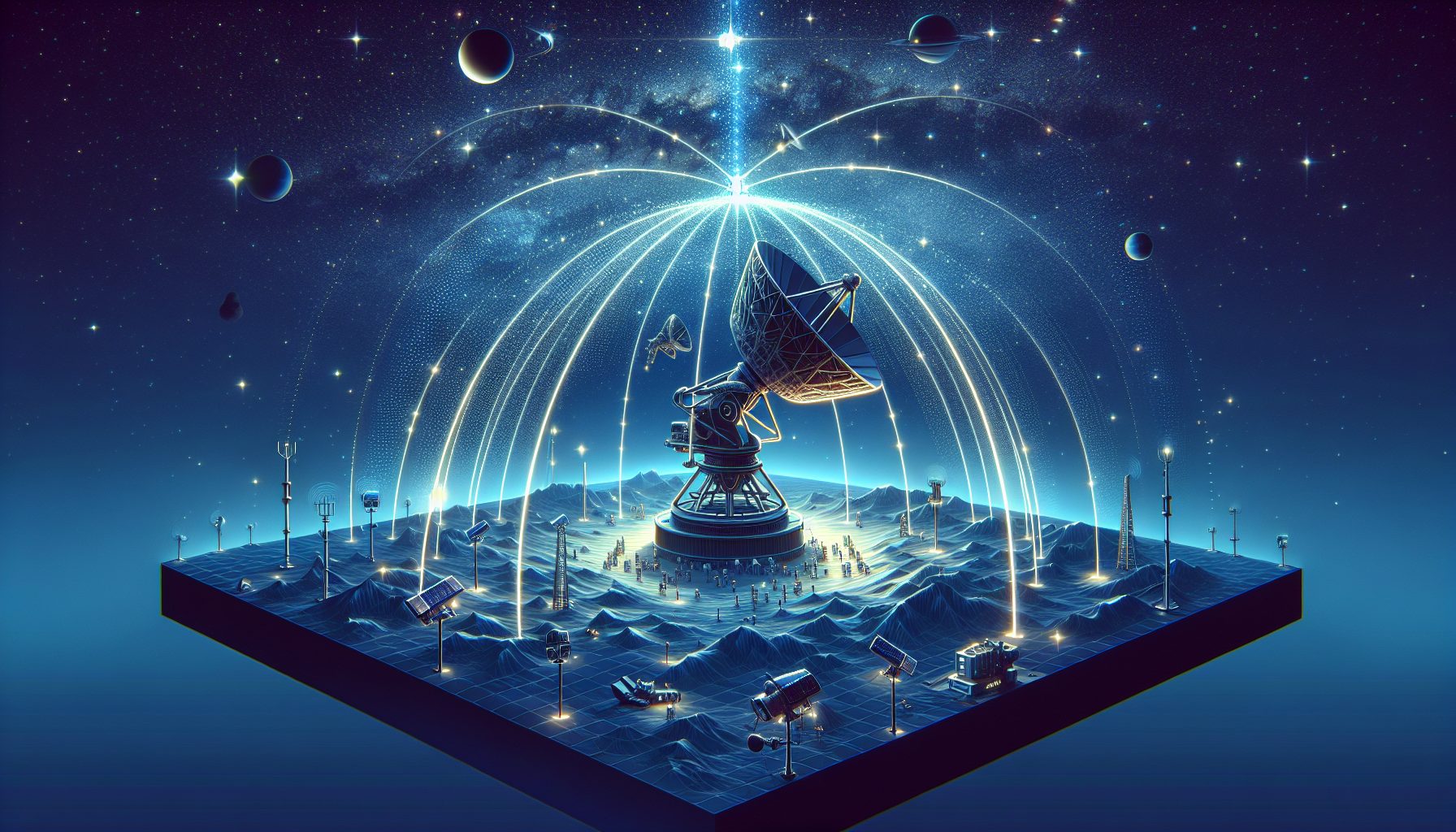
SpaceX’s Starlink satellites are causing more interference with radio telescopes than ever before, according to a new study by researchers in the Netherlands. The second generation of Starlink satellites, known as V2, are emitting radio waves that are 32 times stronger than the first generation. “Every time more of these are launched with these kinds of emission levels, we see less and less of the sky,” said Professor Jessica Dempsey, director of the Netherlands Institute for Radio Astronomy (ASTRON).
The interference is affecting astronomers’ ability to study distant galaxies, black holes, and exoplanets. The study was conducted using the LOFAR radio telescope in the Netherlands on a single day in July.
Falcon 9 is ready, the weather is looking good, and propellant load is underway for tonight’s launch from California of 20 @Starlink satellites, including 13 with Direct to Cell capabilities → https://t.co/F6pPqzG6x8
— SpaceX (@SpaceX) September 25, 2024
The scientists found unintended electromagnetic radiation from almost all the V2 Starlink satellites observed, which was about 10 million times brighter than the weakest sources of light identified.
LAUNCH of Starlink Group 9-8 from Vandenberg at 0401 UTC Sep 25
— Jonathan McDowell (@planet4589) September 25, 2024
“Since SpaceX is launching about 40 second-generation Starlink satellites every week, this problem is becoming increasingly worse,” said lead author Cees Bassa.
Starlink satellites disrupt radio astronomy
Astronomers are also concerned about light pollution from the satellites interfering with optical telescopes.
Small anniversary. Repair of the 100th Starlink terminal this year.
Damaged GNSS IC. Quickly replaced with a new one.
I'm glad I completed the repairs before the usual night air raid alert was announced. pic.twitter.com/iUaNuuvbbK— Oleg Kutkov 🇺🇦 (@olegkutkov) September 25, 2024
They had previously discussed the issue with SpaceX regarding the first generation of satellites, but the V2 satellites have been found to be even more powerful. “If it continues without mitigation to make these satellites quiet, it does become an existential threat for the kinds of astronomy we do,” said Prof. Dempsey. The researchers emphasize the need for more regulation of space and how satellites operate to avoid compromising scientific work.
They suggest that SpaceX, as the largest provider of satellites, could set a standard for limiting pollution. Simple actions like shielding the battery on the satellite could significantly reduce the radiation emitted, according to Prof. Dempsey. Some interference also comes from faulty electronics, which could be addressed to prevent further issues.
However, without action, “very soon the only constellations we will see will be human-made,” she added.

Johannah Lopez is a versatile professional who seamlessly navigates two worlds. By day, she excels as a SaaS freelance writer, crafting informative and persuasive content for tech companies. By night, she showcases her vibrant personality and customer service skills as a part-time bartender. Johannah's ability to blend her writing expertise with her social finesse makes her a well-rounded and engaging storyteller in any setting.