Whether it is a classic sedan, a rugged SUV, or a sleek sports car, every curve and line offers a story. The photographer’s task is to tell it compellingly, so it is important to understand the best car photo angles to highlight the design and beauty of the vehicle.
Knowing how to work with the best car photo angles is paramount to showing off your steel horse in its full glory and majesty. A properly chosen angle has the power to evoke emotions and appreciation of aesthetic and engineering choices. This article aims to teach you how to master this power and make it work for you.
Front Angle Photography
The front angle is one of those car picture angles that introduce the viewer to the item and shape its design perception. This viewpoint lets you capture the essence of the vehicle’s face. Include intricate details like the grille, headlights, and branding emblem as focal points.
Start by positioning yourself at a level that reveals the main subject’s character. Shooting slightly upward can confer a sense of dominance and power on sports cars and luxury vehicles. A straight-on approach might better suit the straightforward, rugged appeal of trucks and off-road vehicles.
Consider using a polarizing filter to minimize glare on the car and through its windows. It will give you an opportunity to take clearer shots of the interior details that might be visible from the front, such as the dashboard or mounted technology. It also enhances the color saturation of the car and the sky.
Side Angle View
If your main goal is to showcase the design lines and shape, shooting from a side works perfectly to highlight the sleekness of sports cars or the sturdy build of larger ones, like SUVs and trucks.
Align yourself parallel to the car, ensuring the body lines are straight and proportional in your viewfinder. This alignment helps avoid any distortion that might otherwise warp the true dimensions. Capturing the car from a slightly lower angle can make it appear more imposing and dynamic.
Use side lighting to create highlights and shadows that accentuate the main features, providing a three-dimensional view. Avoid harsh midday sunlight. It will flatten your picture and create extra challenges when you proceed to the car photo editing stage.
Rear Angle Photos
Rear-angle shots are prioritized for capturing elements like tail lights, exhaust systems, and spoilers, which add more drama and personality to the vehicle photos and convey its performance and aesthetics.
Choose the distance and position. A lower angle can make the car appear more powerful and grounded, emphasizing sporty exhausts or the width of the tires. Conversely, a slightly elevated angle can provide a clearer view of the roofline and the rear window’s shape. It is preferable for SUVs and hatchbacks, where the top design should be in focus.
A shallow depth of field can help you focus solely on the details of the rear, blurring out potentially distracting elements in the background. This technique is especially useful in busy environments where you want to isolate the car from its surroundings.
Three-Quarter Views
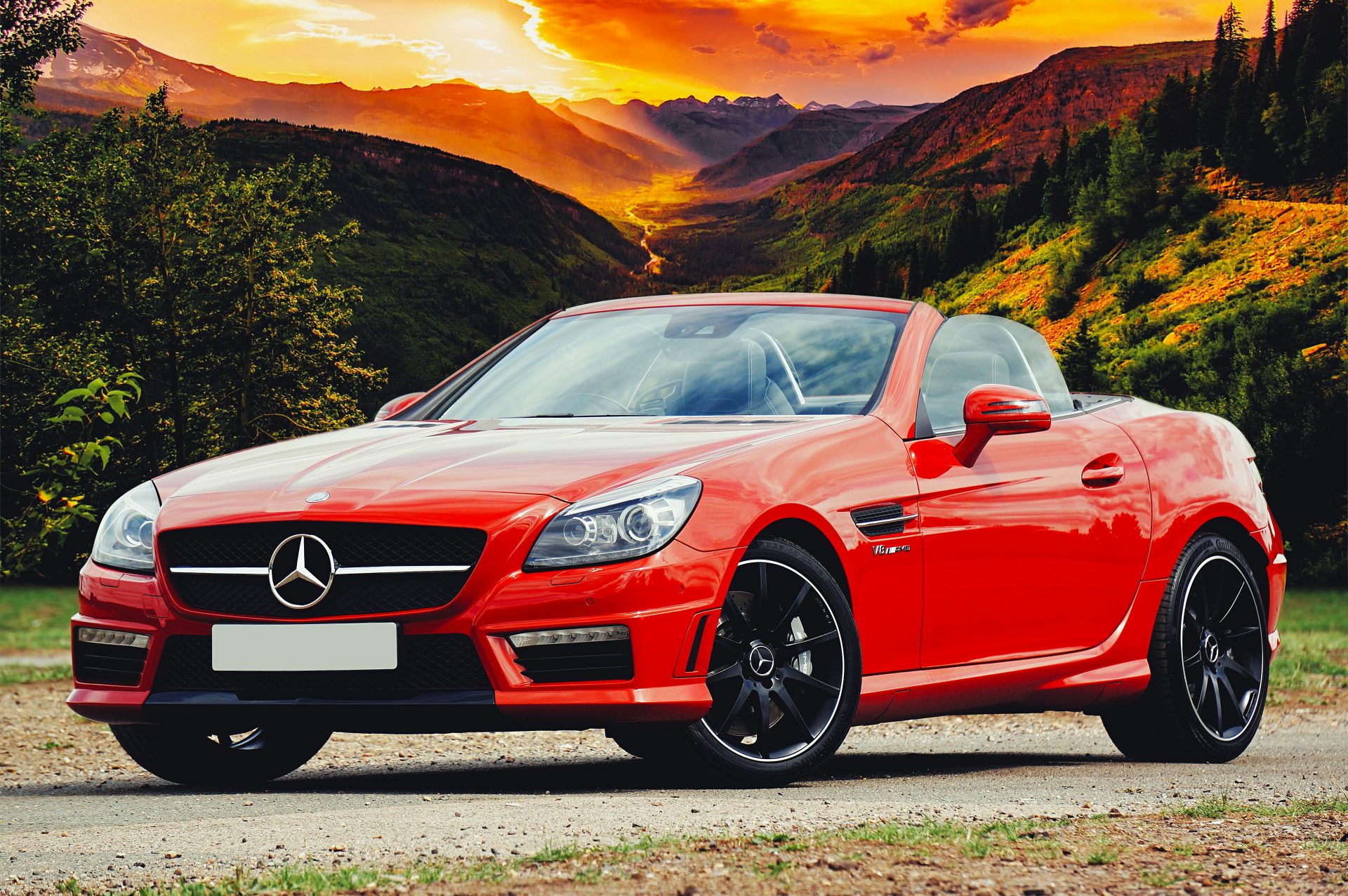
Many car photographers think the 45-degree angle is one of the best car photo angles because it allows them to represent the vehicle’s design comprehensively. This angle showcases all the dimensions of the main subject while highlighting intricate details, allowing the features of multiple facets to be appreciated simultaneously.
Position the camera so it points diagonally towards the corner of the car. This angle should capture both sides and the front or rear (depending on which corner you choose). Balance how much of each side is shown to keep the dynamics but avoid unnecessary disproportions.
Select a proper location to complement or contrast your subject’s style. An urban setting with roads stretching into the distance can suggest speed and adventure, while a serene, natural backdrop might emphasize the design and class of luxury vehicles.
Interior Shots
Pay attention to the interiors if you want to capture the comfort and craftsmanship. The interior shots illustrate the quality of materials, the design of the dashboard, and the overall ambiance.
Ensure the interior is clean and well-prepared. Remove any personal items, dust, or smudges that could detract from the appearance of high-quality materials and finishes. The environment should be pristine so viewers can easily imagine themselves as drivers or passengers.
Close-Up Car Photography
Close-ups capture sophisticated details often missing in wider shots. They showcase the craftsmanship, quality, and thought put into every component. Highlight textures and materials. Let your audience appreciate the precision of the assembly.
The subjects should be selected meticulously. Highlight the brand’s signature features, such as the badge, custom stitching on the leather seats, the grain of the wood trim, or the unique pattern of the tire tread. Tell a story of luxury and care in the vehicle’s design.
Conclusion
This article has explored the essential techniques for elevating your car’s picture angles, showcasing your vehicle in the best light, and receiving emotional feedback from viewers. Engage with your subjects, experiment with different angles, and create captivating images!
Photo by Mike Bird: Pexels

Kyle Lewis is a seasoned technology journalist with over a decade of experience covering the latest innovations and trends in the tech industry. With a deep passion for all things digital, he has built a reputation for delivering insightful analysis and thought-provoking commentary on everything from cutting-edge consumer electronics to groundbreaking enterprise solutions.