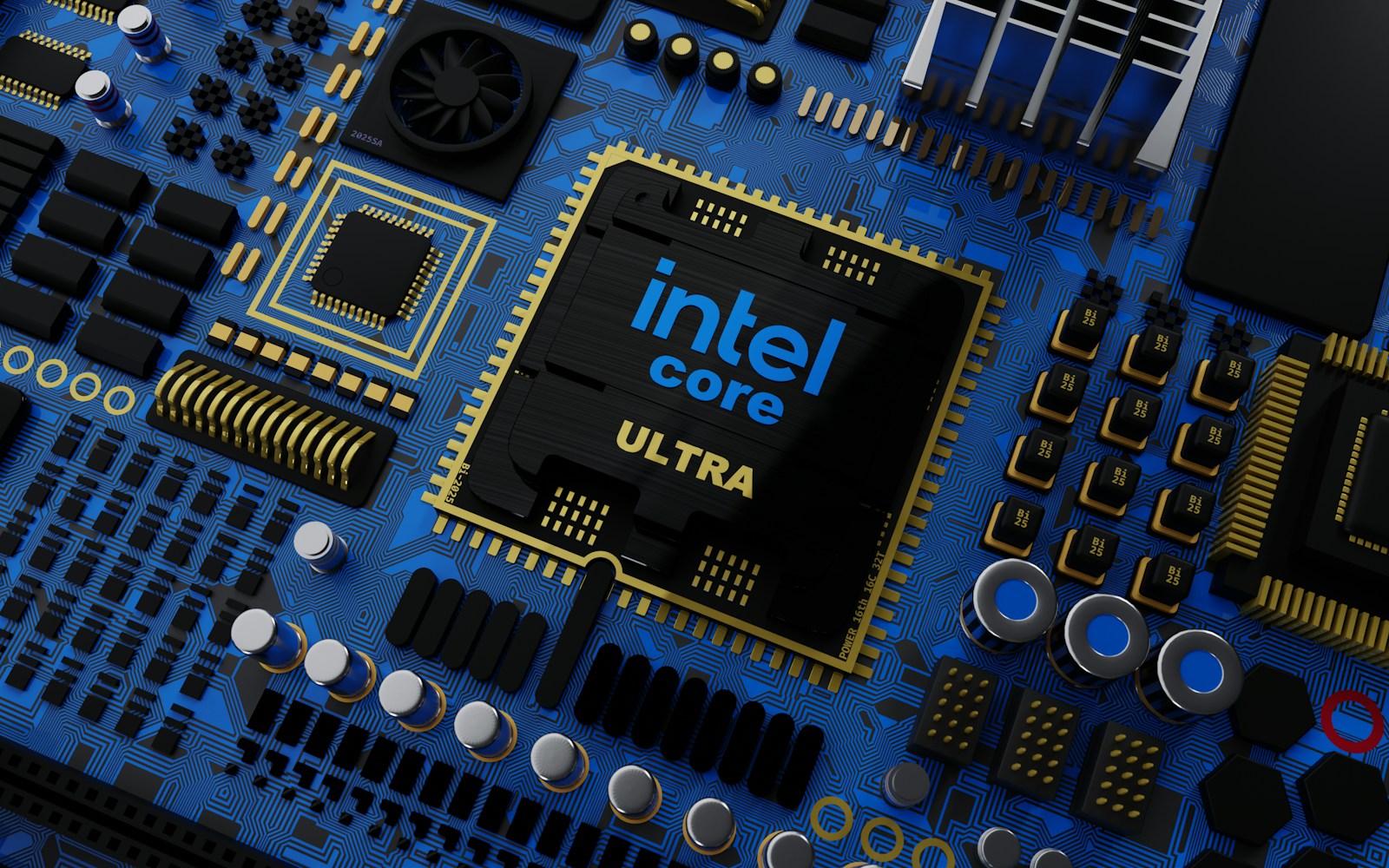
A remarkable shift has occurred in the GPU market. After years of NVIDIA and AMD neglecting the sub-$300 segment or offering compromised products, Intel has achieved something extraordinary with their B580 GPU. This isn’t just another entry in the market – it’s a game-changer that redefines what budget gaming can be.
The B580 arrives with 12GB of VRAM, enabling proper performance in demanding new titles like Indiana Jones. What’s more impressive is its raw performance, which surpasses the RTX 4060 at both 1080p and 1440p resolutions. This achievement becomes even more significant when considering Intel’s rocky start in the GPU market.
The Journey to Success
Intel’s path to this point wasn’t smooth. Their first-generation GPUs suffered from notoriously buggy drivers, leading to poor sales and constant speculation about the department’s future. However, they’ve overcome most of these challenges, transforming from an underdog to a serious contender.
The performance data tells a compelling story. At 1080p, the B580 matches or exceeds the RTX 4060 Ti 16GB – a card that costs $450, nearly 80% more. In games like Cyberpunk and Red Dead Redemption 2, it outperforms its direct competitors by up to 15%.
Technical Achievements
The B580’s success stems from several key improvements:
- A new process node implementation
- Significant architectural overhauls
- 70% improvement in performance per core
- 50% better energy efficiency compared to previous generation
These improvements translate into real-world gaming performance that makes the B580 the clear choice for gamers looking to spend between $450 and $700 on a gaming tower.
Ray Tracing and AI Capabilities
While ray tracing performance shows room for improvement, the B580 maintains competitive frame rates above 60 FPS with some setting adjustments. Intel’s XeSS 2 technology demonstrates impressive capabilities:
- AI-powered upscaling for better resolution
- Frame generation for smoother gameplay
- Latency reduction features
In F1 24, XeSS 2’s frame generation shows exceptional results, boosting performance by 70% over upscaled results and doubling native rendering performance with minimal quality loss.
Real-World Considerations
The B580 isn’t perfect. It requires motherboard support for resizable BAR, and its power consumption can spike to 241 watts despite the advertised 190-watt TDP. However, these limitations pale in comparison to its achievements.
This is a new GPU that doesn’t suck with modern features and it’s worthy of celebration, even if Intel is a little late to the party.
The timing of this release creates both opportunities and challenges. AMD and NVIDIA’s next-generation GPUs are expected early next year, and potential tariffs could affect pricing. However, the current value proposition is undeniable.
Frequently Asked Questions
Q: How does the B580 compare to previous generation GPUs?
The B580 represents a 55% generational improvement over its predecessor and outperforms Intel’s previous flagship by more than 20%. It’s a significant upgrade for users with GTX 1660 or 10 series cards.
Q: Is the B580 suitable for 4K gaming?
While not primarily designed for 4K gaming, the B580 can handle 4K resolution with XeSS 2 technology enabled, achieving over 100 FPS in some titles. However, it’s best suited for 1080p and 1440p gaming.
Q: What are the power supply requirements for the B580?
A minimum 600-watt power supply is recommended, despite the card using only one 8-pin PCIe connector. This recommendation accounts for power spikes that can reach up to 241 watts during intensive gaming.
Q: Have the driver issues been resolved?
Recent testing shows significant improvement, with 233 out of 250 tested games being completely playable. While some issues persist in major titles, Intel continues to address these through regular updates.
Q: Should current RTX 3060 Ti owners upgrade to the B580?
Users with higher-tier cards like the RTX 3060 Ti shouldn’t feel compelled to upgrade. The B580 is best suited for users with older generation cards or those building a new system in the mid-range segment.

Finn is an expert news reporter at DevX. He writes on what top experts are saying.