With speech recognition, people talk to devices — and they respond just like a human would. This opens a new perspective on how this technological advancement can be used in business settings and beyond. There is much talk about the future of speech recognition technology. But first, let’s zoom in on what it has accomplished so far and how the benefits outweigh the probable implementation hurdles and concerns.
The mechanics behind speech recognition technology
Speech recognition converts spoken language into text, allowing command functionality, transcription, and contextual comprehension. AI speech analytics is turning into a high-octane driver across consumer and enterprise landscapes.
AI and machine learning powering this technology convert the voice narrative into data. Thanks to AI, efficiency,y and accessibility are at levels never before possible. From boardrooms to smart homes, the applications of voice technology define modern innovation.
The Four Key Ways AI Speech Analytics Aids Human Interaction
The market for AI speech analytics technology has gained momentum with unprecedented speed. Both businesses and daily life recipients are using the technology. Powered by voice-enabled devices, the smart home market alone is set to reach $182 billion by 2025.
Smart ecosystems backed by voice assistants
Voice-activated technologies augment the way people interact with the surroundings they’re in. Devices like Amazon Alexa and Google Nest operate lighting, appliances, and security systems in smart home environments. AI speech recognition technology assistants run schedules, deliver news, and even order groceries for the users. In corporate settings, text-to-speech and AI speech recognition:
- offer transcription services — tools like Speechmatics and Microsoft Teams automate meeting notes, ensuring accuracy and speed
- automate client interactions
- improve customer service and compliance efforts
Language barriers broken down by translation tools
Speech recognition technology paired with machine translation breaks down language barriers. Applications like Google Translate now facilitate multi-language dialogues and enable hassle-free global conversations. AI-based voice translation also opens businesses to new international markets, enabling users across the globe to find goods and services by voice.
Speech recognition is made accessible to all
AI speech recognition reduces the stigma of disability and powers users with speech or vision impairments. In the fight against Amyotrophic Lateral Sclerosis, personalized voice cloning technology from ElevenLabs allows patients who often lose their ability to speak to preserve their unique vocal identities.
AI speech analytics can help people with speech impairments access services or activities. An 11-year-old girl in Brisbane diagnosed with Down syndrome overcame communication challenges with Voiceitt, an AI-driven tool that translates non-standard speech patterns into coherent text and audio. The precision of the AI speech analytics technology helped the girl write her first book, in which she discusses how speech and voice tech innovations transform lives and promote independence.
AI Speech Analytics Brings Improvements to the Table
| Productivity boost | AI speech recognition assists professionals in mundane work, if not opens them to high-priority projects. Organizations can achieve efficiency, alleviate repetitive workflows, and optimize resource distribution with AI-driven tools. |
| Improved user experience | Hands-free and voice-based operations facilitate a more engaging, natural communication with businesses and services. Thus, AI-driven speech analytics can deliver higher convenience and customer satisfaction. |
| Accessibility improvements | AI speech analytics is breaking down many barriers for people with special needs. The technology encourages inclusivity while improving itself through continuous learning. Better voice command navigations are implemented to refine the existing speech recognition solutions. |
The Challenging Areas in AI Speech Analytics
When addressing risks and concerns, AI speech analytics has just a handful that will soon be resolved.
Security concerns
The always-listening AI poses concerns about data privacy, security, and compliance. Organizations collecting audio data from all users must have regulatory compliance intact. When, say, violating the GDPR regulations, organizations can face lawsuits and lose customer trust if sensitive user information leaks or if there’s a breach.
Accuracy hurdles
AI speech analytics can lack proper accuracy given accent variations, background noise, and other environmental factors that interfere with the speech flow. The technology’s output may contain errors and inconsistencies related to recognizing voices under these circumstances. Speech recognition technology tries to address the issues through advanced machine learning and contextual understanding.
Full-scale speech recognition technology potential
Emerging deep learning models and neurolinguistic programming (NLP) innovations are well underway, promising transformative applications such as sentiment analysis and context-aware responses. However, to make them pixel-perfect, work remains.
How to Employ AI Speech Analytics in Business
Even though early adopters are aware of the possible risks, they still embrace speech recognition. The AI speech analytics challenges are viewed as drivers pushing the technology and its limits further.
Speech recognition can facilitate customer interactions. Interactive Voice Response (IVR) systems powered by speech recognition reduce costs while enhancing customer experiences. For example, the Spokn AI analytics platform by MaxContact extracts actionable insights from client conversations.
Online space is optimizing its processes for voice search. With 71% of consumers using voice search, businesses are to adapt their SEO strategies to appeal to the growing number of voice searches.
Corporate software can benefit from AI speech recognition integrations. Companies can integrate speech recognition technology with their CRMs and other enterprise tools to increase efficiency. Software vendors like Coherent Solutions can assist with the intricate implementation, offering tailored AI consulting services to make the integration accurate and valuable to businesses and their customers.
Speech recognition is catching on — and fast
AI-powered speech recognition alleviates the burden of manual repetitive tasks and completes the work almost instantly. Just a few years ago, a manager would walk out of a meeting room with handwritten notes. Now, they turn on an AI speech recognition assistant at meetings — and the notes are generated for them! When implemented correctly, AI speech recognition opens many doors, leading users to human-like interactions and efficient outputs.
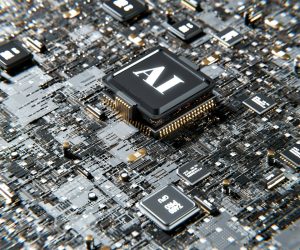
Photo by Volodymyr Hryshchenko on Unsplash

Kyle Lewis is a seasoned technology journalist with over a decade of experience covering the latest innovations and trends in the tech industry. With a deep passion for all things digital, he has built a reputation for delivering insightful analysis and thought-provoking commentary on everything from cutting-edge consumer electronics to groundbreaking enterprise solutions.