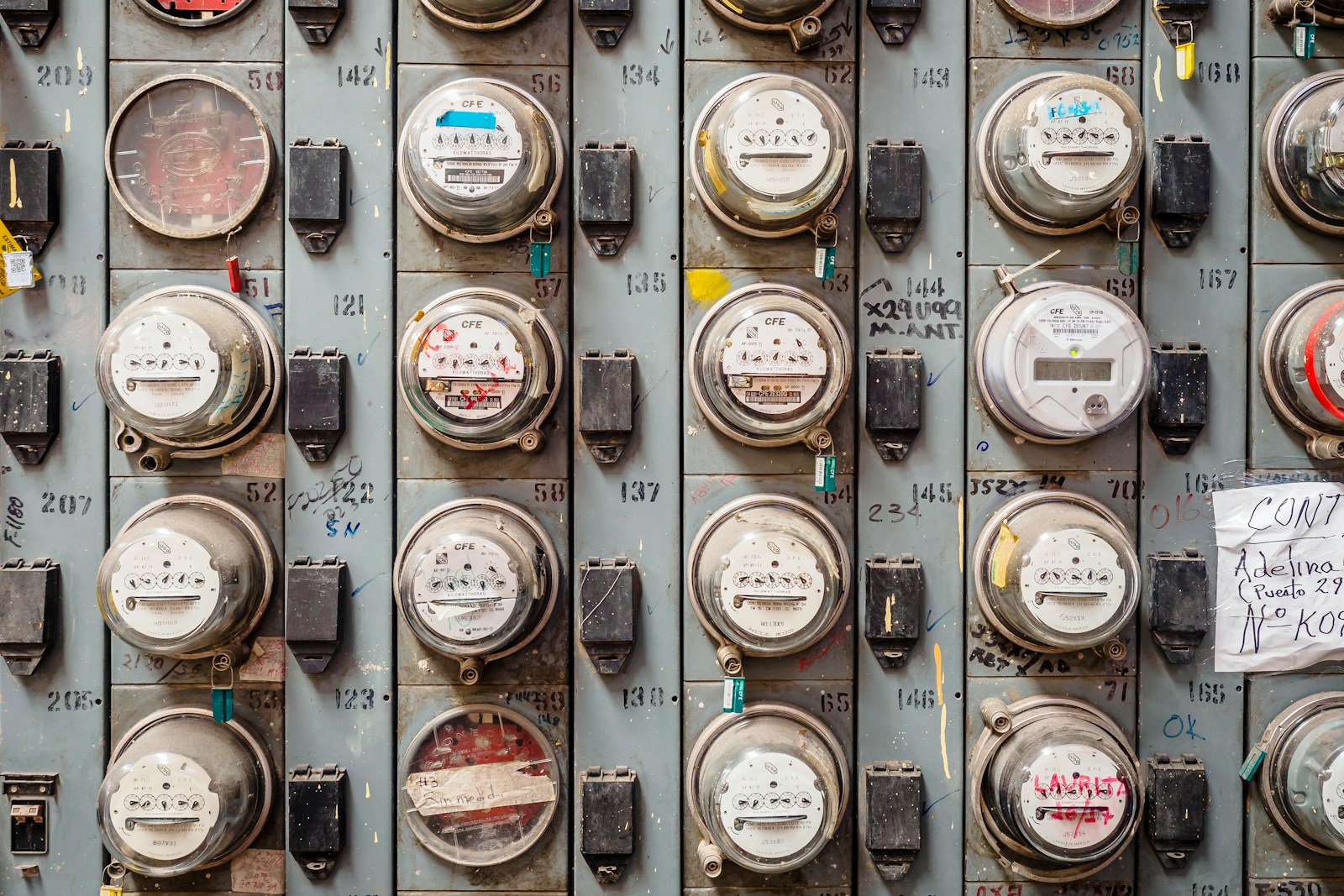
The growth of artificial intelligence (AI) hubs in the East of England could be hindered by high electricity costs, experts warn. The government has been urged to invest in long-term renewable energy to support the burgeoning sector. A planned £2 billion data centre in Loughton, Essex, is set to play a pivotal role in the UK’s AI ambitions, alongside initiatives to transform the corridor between Cambridge and Oxford into “Europe’s Silicon Valley.” Dr.
Haider Raza, a senior AI lecturer at the University of Essex, described it as an “exciting time” for the region but emphasized the need for sustainable energy solutions. A government spokesperson stated that they are “exploring bold, clean energy solutions” to meet AI goals while adhering to the UK’s net-zero targets. Prime Minister Sir Keir Starmer has highlighted the “vast potential” of AI for rejuvenating public services.
The East of England has been positioned at the forefront of the government’s AI technology plans. Nscale has committed £2 billion to the Loughton data centre, and developments in the Oxford-Cambridge growth corridor are expected to boost the UK economy by up to £78 billion, with AI contributing significantly. Despite the optimism, Dr.
Raza flagged “awful” electricity costs as a potential roadblock.
High energy costs hinder AI growth
“We have to make data centres more efficient,” he said.
“Data centres consume a lot of energy, especially when handling large data processing tasks. High electricity costs make this financially challenging.”
The issue is compounded for generative AI systems, which research indicates could use approximately 33 times more energy than task-specific software. Kenso Trabing, of the AI firm Morphware, voiced concerns over the UK’s industrial electricity prices, which range from £350 to £400 per megawatt hour (MWh), compared to just £35 to £40 per MWh in Paraguay.
“High energy costs are a significant barrier to innovation,” he said. Science Minister Lord Patrick Vallance has been appointed to lead the Oxford-Cambridge growth corridor. He asserted that the area could become “one of the most important innovation zones in the world.”
Cambridge City Council leader Mike Davey stressed that AI must be used responsibly and aligned with the city’s green ambitions.
He also pointed out that the region is one of the driest in the country, complicating development further. “We’ve got to ensure water is available for AI data centres and that the electricity grid is prepared,” Davey said. “AI will be at the heart of what we do in the future.”
A Department for Science, Innovation and Technology spokesperson acknowledged the sustainability challenges faced by data centres.
“Many newer data centres are already addressing these issues with advanced cooling systems that significantly reduce water consumption,” he added.

Noah Nguyen is a multi-talented developer who brings a unique perspective to his craft. Initially a creative writing professor, he turned to Dev work for the ability to work remotely. He now lives in Seattle, spending time hiking and drinking craft beer with his fiancee.