Amid concerns about AI’s impact on coding, Anthropic CEO Dario Amodei recently made a proclamation that left many rattled. Amodei claimed that AI could generate all the code required for software development within a year. “I think we will be there in three to six months, with AI writing 90 percent of the code.
And then, in 12 months, we may be in a world where AI is writing essentially all of the code,” Amodei said. Amodei’s prediction was echoed by Garry Tan, president and CEO of startup incubator Y Combinator. Tan noted that for 25 percent of the Winter 2025 batch, 95 percent of lines of code were LLM-generated.
This guy (OpenAI’s CPO) literally says it’s a good thing that anyone can build software now
pic.twitter.com/WIq4SUeCYV— Aadit Sheth (@aaditsh) March 16, 2025
Naveen Tewari, founder and CEO of InMobi, also stated that the mobile ads platform was on track to achieve 80 percent automation in software coding by the end of 2025. However, not everyone agrees with these dire predictions. Arvind Krishna, CEO of IBM, suggested a more reserved perspective during an interview at SXSW 2025.
He estimated that only 20 to 30 percent of code will be AI-generated. Krishna believes AI will make programmers more productive rather than eliminate their jobs.
AI-generated code is everywhere — but can we trust it? I spoke with industry leaders about its biggest flaws and how to make it better. Read my latest for @InfoWorld: https://t.co/sRlRPYQZuW
— Bill Doerrfeld (@DoerrfeldBill) March 17, 2025
AI’s transformative role in coding
Nonetheless, IBM planned to halt hiring for back-office roles in 2023, expecting AI to replace those functions. Sridhar Vembu, founder of SaaS major Zoho, noted that while AI programming tools can excel at generating boilerplate code, they only offer 10 to 20 percent productivity gains, depending on the project. Vembu also pointed out that the software job market’s struggles are due to inefficiencies stemming from venture capital and private equity-driven funding, not AI.
Determinism, transparency, and accuracy will become the new currency of agents who earn the right to become our delegates.@diffblueHQ https://t.co/B7VQHxSJQ0
— The New Stack (@thenewstack) March 18, 2025
A new term, “vibe coding,” has emerged in this discourse. Coined by former OpenAI researcher Andrej Karpathy, vibe coding involves asking an LLM like ChatGPT to create software based on a specific description without understanding how the code works. This practice has significantly lowered the barrier of entry to software development, though it has sparked criticism.
Experienced developers argue that relying too heavily on AI could compromise the quality and reliability of the code. Despite concerns about AI automating software engineering jobs, many believe learning to code remains invaluable. Andrew Ng, AI expert and co-founder of Coursera, warned against discouraging others from learning programming.
Anthropic CEO Dario Amodei says 90% of all coding will be done by AIs by the end of 2025.
IBM's CEO says the number will be 30%, not 90%.
But even that would be huge.https://t.co/b6JUUgq9zt— Calum Chace (@cccalum) March 15, 2025
He likened the current advancements in AI to the transition from punchcards to keyboards, indicating that easier programming methods make it a better time than ever to start learning. As AI continues to evolve, the debate over its role in software development and its impact on jobs will undoubtedly persist. Whether viewed as a complete takeover or a complementary tool, AI’s presence in coding is here to stay.
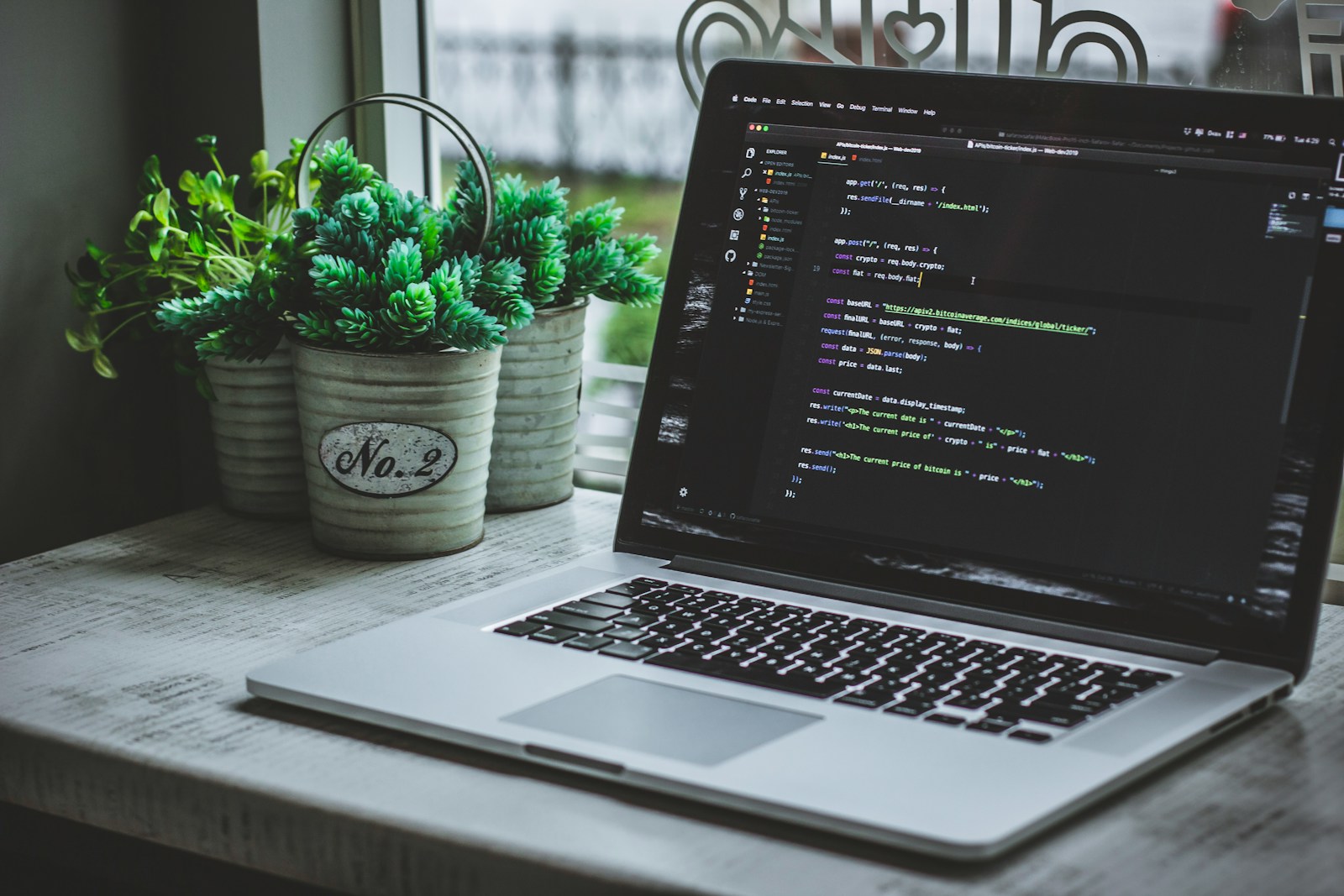
Image Credits: Photo by Safar Safarov on Unsplash

April Isaacs is a news contributor for DevX.com She is long-term, self-proclaimed nerd. She loves all things tech and computers and still has her first Dreamcast system. It is lovingly named Joni, after Joni Mitchell.