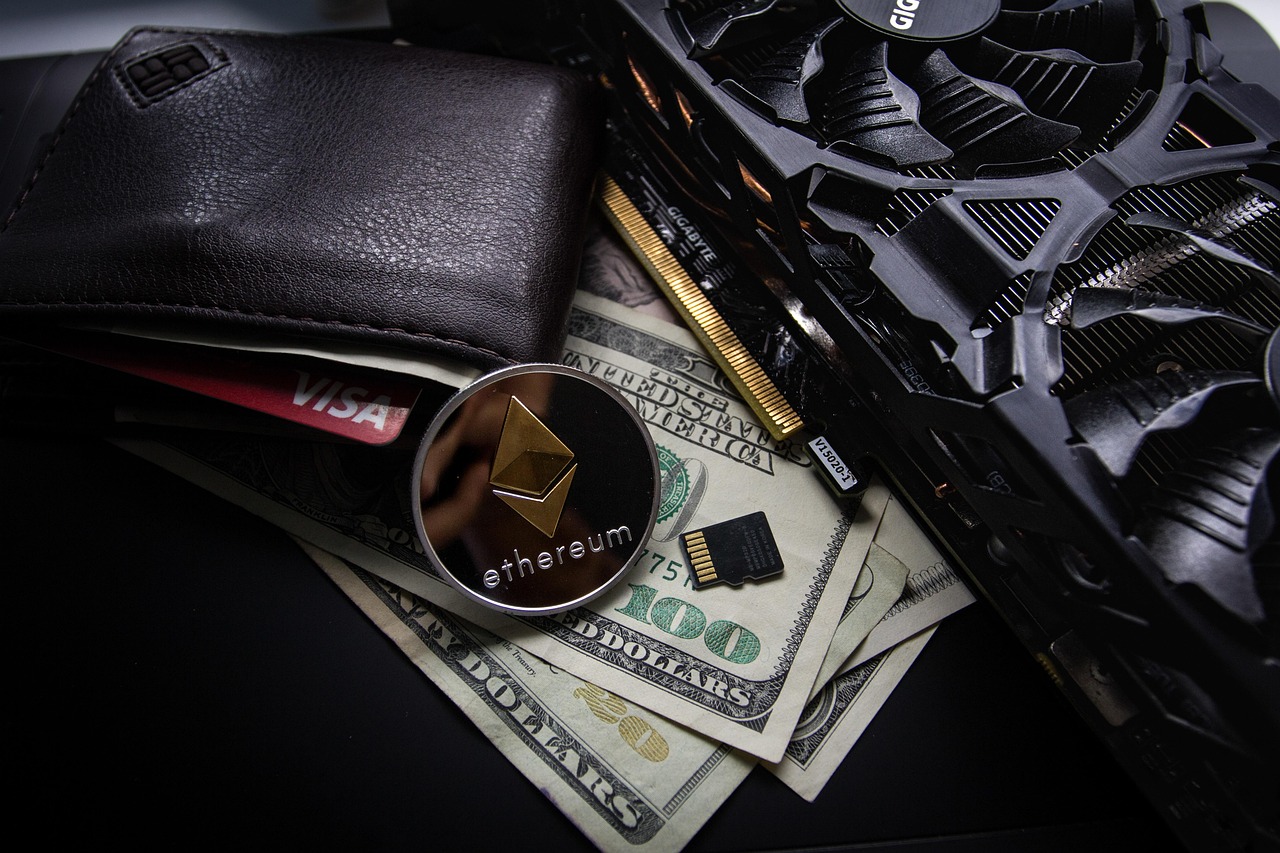
Although they have a long tradition, banks are centuries-old financial institutions. Today, they face a significant challenge in the form of decentralized finance. Crypto banking has gained significant popularity, with traditional banking institutions striving to modernize.
In 2025, this is no longer a theoretical competition. Crypto ecosystems have already implemented direct P2P and borderless financial networks. Investors are seeking digital assets, ranging from Bitcoin to memecoins. It’s easy to buy Dogecoin in a few clicks and use it for digital banking. You can always check out the Dogecoin calculator to learn about a potential profit in a trade.
This guide explores the operational differences between cryptocurrency and traditional banking and discusses the future of the financial industry.
Operational Differences Between Crypto and Traditional Banking
To understand the distinctions between traditional and cryptocurrency banking, it’s essential to learn about the working processes of both. Here’s how they perform in different aspects!
Transaction Speed
The crucial distinction between these platforms lies in how quickly they execute transactions. If you use traditional banking, wire transfers can take several working days. International transfers go via the SWIFT system. It is a global financial solution, but one that relies on intermediary banks for its implementation. That’s why transactions take time, while intermediaries also increase overall costs.
Things are much simpler with crypto transfers. You can send funds anywhere in the world in a matter of minutes. Some digital assets, such as Polygon or Solana, can finalize transactions in seconds. Bitcoin, as a popular example, takes approximately ten minutes to complete the transfer. That’s considerably faster than traditional banking, so it’s no wonder more users are migrating to this model.
Accessibility
For traditional banking, it’s necessary to have a registered account with the chosen bank. This will require providing personal documents, such as a government-issued ID, proof of address, and other documents that may be requested. Apart from requiring time and effort, this also means users must accept providing sensitive personal details to the bank.
In the crypto industry, you aren’t obliged to provide personal documents. You can register a crypto wallet for free. Downloading the app or corresponding software and signing up via a free process is enough to start transferring digital assets.
Apart from being a simpler and more private solution, crypto banking is also suitable for areas with unbanked or underbanked populations. Everything that’s necessary to operate with digital assets is a working internet connection.
Transfer Expenses
The crypto industry charges gas fees for each transaction. That’s because transfers require computational resources to complete. Validators confirm that the transaction can finalize, and relying on them is how crypto blockchains remain secure.
Crypto gas fees vary depending on network congestion. During times of overcrowding, the charges might increase. Even in those cases, gas fees are lower than traditional banking costs.
Fees
Common banking fees include monthly maintenance, overdraft fees, and transfer charges. The bank might earn additional money by offering a worse exchange rate, lower than the market average.
As for typical crypto banking platform fees, the majority won’t charge for maintaining your account. However, if you keep funds on the platform, submitting a withdrawal request might cost something.
Additional Charges
Some additional charges might include regulatory taxes. Users should check and submit relevant tax claims. Otherwise, they might be subject to paying penalties. Regarding other potential charges, a user may opt to pay a priority fee. That means the platform will prioritize that transaction compared to others. It ensures faster completion, but it’s essential to evaluate whether it’s worth the investment.
Which Financial Sectors Are Safer in a Global Crisis?

It’s all about resilience during turbulent times. How do different financial sectors perform if the markets freeze or the economy crashes? In the digital market, you can use stablecoins during the crisis. These use fiat currencies like USD as a peg, with the goal of offering stability even during extreme volatility.
Volatility Resistance
The first thing every newbie learns about the crypto banking market is that this industry is volatile. Digital currencies are very sensitive to market events and related news. The most famous example is probably Elon Musk discussing Dogecoin, which has led to its price surging or dropping, depending on the context.
Despite this volatility, many digital currencies have demonstrated resilience, showing the ability to recover after the crisis. Although cryptos can crash quickly, they also rebound fast.
Unlike that, traditional markets are more stable. However, that comes at the price of limited access and slower reaction times. Users can face limited withdrawals or account freezing during a market crisis.
Institutional Protection
Conventional banking comes with certain safety nets, such as bank deposit insurance imposed by governments to protect customers. The United States has the FDIC, which offers insurance of up to $ 250,000 per account. Central banks are also authorities that can help secure liquidity when necessary.
This type of protection isn’t present on the crypto market. Let’s say that the decentralized platform suffers a hacking attack. If the user’s wallet gets hacked or loses funds, there is no protective net to retrieve those funds. Users benefit from control and freedom, but the downside is the lack of safety nets.
Crisis Access
In the event of a crisis, banks may impose certain measures. Those can include ATM withdrawal restrictions, generally limited access to funds, and other relevant measures. They might collaborate with other governmental authorities to develop measures that prevent economic collapse.
The crypto banking industry is somewhat immune to centralized authority controls. It has the maximum possible levels of freedom. A private key enables you to access your wallet at any time and manage your funds as needed.
What the Future Holds for Crypto and Banks
Traditional banks are looking to modernize by offering intuitive apps and digitalizing their services. Conventional institutions have started adopting blockchain technologies. On the other hand, crypto platforms are improving compliance with relevant regulations.
Some new features that we can expect include tokenized assets of real-world items, such as commodities, stocks, and real estate. The market has also seen the appearance of banking-as-a-service platforms. These ensure that users have access to digital banking services on the go, with a maximum focus on technology, innovation, and user experience. The line between traditional and crypto banking will become increasingly blurred in the coming years.
Choose Your Best Finance Ecosystem!
The decision depends on your preference, but there are some clear advantages offered by crypto banking. It’s faster and secures almost immediate transactions, while the charges involved are often lower than on traditional platforms. On the other hand, there’s less regulation and more volatility than with conventional banking. With all these pros and cons in mind, choose the best finance ecosystem for your needs!
Image by Sergei Tokmakov and WorldSpectrum; Pixabay

Rashan is a seasoned technology journalist and visionary leader serving as the Editor-in-Chief of DevX.com, a leading online publication focused on software development, programming languages, and emerging technologies. With his deep expertise in the tech industry and her passion for empowering developers, Rashan has transformed DevX.com into a vibrant hub of knowledge and innovation. Reach out to Rashan at [email protected]