The Bjarke Ingels Group (BIG) and landscape architecture firm SCAPE have secured a major commission to renovate an aging oil- and coal-burning power plant in Connecticut. The ambitious project aims to convert the industrial site from a source of pollution into a public green space complete with recreational amenities.
The transformation will replace the facility’s industrial past with swimming pools, walking trails, and extensive greenery. This redevelopment represents a significant shift in how communities are repurposing outdated energy infrastructure for public benefit.
From Industrial Polluter to Public Amenity
The power plant, which once burned fossil fuels and contributed to environmental degradation, will undergo a complete metamorphosis under the direction of the two design firms. BIG, known for its innovative architectural approaches, will collaborate with SCAPE, which specializes in landscape architecture with an ecological focus.
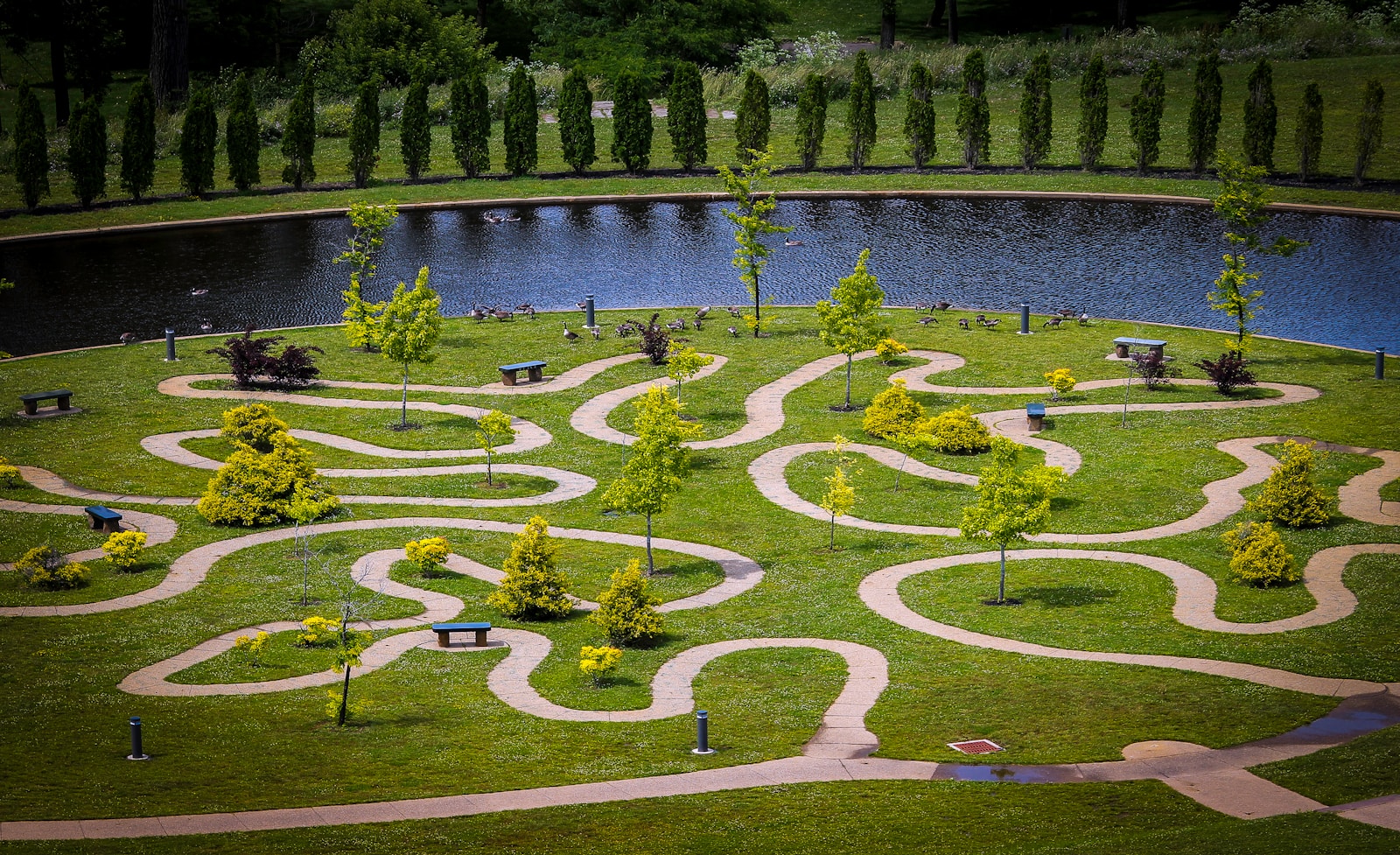
The renovation plans call for introducing substantial green spaces throughout the property, effectively transforming what was once an environmental liability into a community asset. Swimming facilities will replace industrial equipment, while walking paths will wind through areas previously closed to the public.
“This project demonstrates how former industrial sites can be reimagined as public spaces that benefit communities,” said a spokesperson associated with the project. “The power plant that once symbolized environmental concerns will now promote recreation and well-being.”
Design Vision and Amenities
The renovation will feature multiple recreational zones designed to attract visitors of various interests. Key elements of the design include:
- Multiple swimming pools integrated into the landscape
- An extensive network of walking and hiking trails
- Green spaces replacing industrial infrastructure
- Public gathering areas for community events
BIG, founded by Danish architect Bjarke Ingels, has built a reputation for transformative projects that blend functionality with bold design concepts. SCAPE brings expertise in creating resilient landscapes that respond to environmental challenges while serving community needs.
The collaboration between these two firms suggests the project will balance architectural innovation with ecological sensitivity, creating a space that acknowledges the site’s industrial heritage while looking toward a greener future.
Trend of Industrial Repurposing
This Connecticut project joins a growing number of similar conversions across the United States and globally. Former industrial sites, particularly those related to energy production, are increasingly being repurposed as public spaces rather than demolished.
Notable examples include New York’s High Line, built on an abandoned elevated railway, and Seattle’s Gas Works Park, which preserved elements of a former gasification plant while creating public green space. These projects demonstrate how industrial infrastructure can be reimagined rather than removed.
The Connecticut power plant renovation reflects changing attitudes about energy production and public space. As communities move away from fossil fuels toward renewable energy sources, the physical infrastructure of the previous era requires new purpose.
Local officials expressed optimism about the project’s potential impact on the surrounding community. The new park is expected to increase property values, provide recreational opportunities, and improve environmental conditions in an area previously dominated by industrial activity.
Construction timelines and budget details have not yet been released, but the project represents a significant investment in public infrastructure and environmental remediation. When completed, the transformed power plant will stand as an example of how communities can heal environmental scars while creating new public resources.

Senior Software Engineer with a passion for building practical, user-centric applications. He specializes in full-stack development with a strong focus on crafting elegant, performant interfaces and scalable backend solutions. With experience leading teams and delivering robust, end-to-end products, he thrives on solving complex problems through clean and efficient code.