In Ukraine’s ongoing conflict, drones have emerged as critical tools serving contrasting purposes on the battlefield. As soldiers face the harsh realities of trench warfare, unmanned aerial vehicles are being deployed both as weapons and as lifelines for troops on the front lines.
The conflict in Ukraine has developed into a war of attrition, with soldiers dug into defensive positions across long stretches of the front. In these conditions, drones have become essential components of military operations for both sides, fundamentally changing how the war is fought.
Aerial Threats and Lifelines
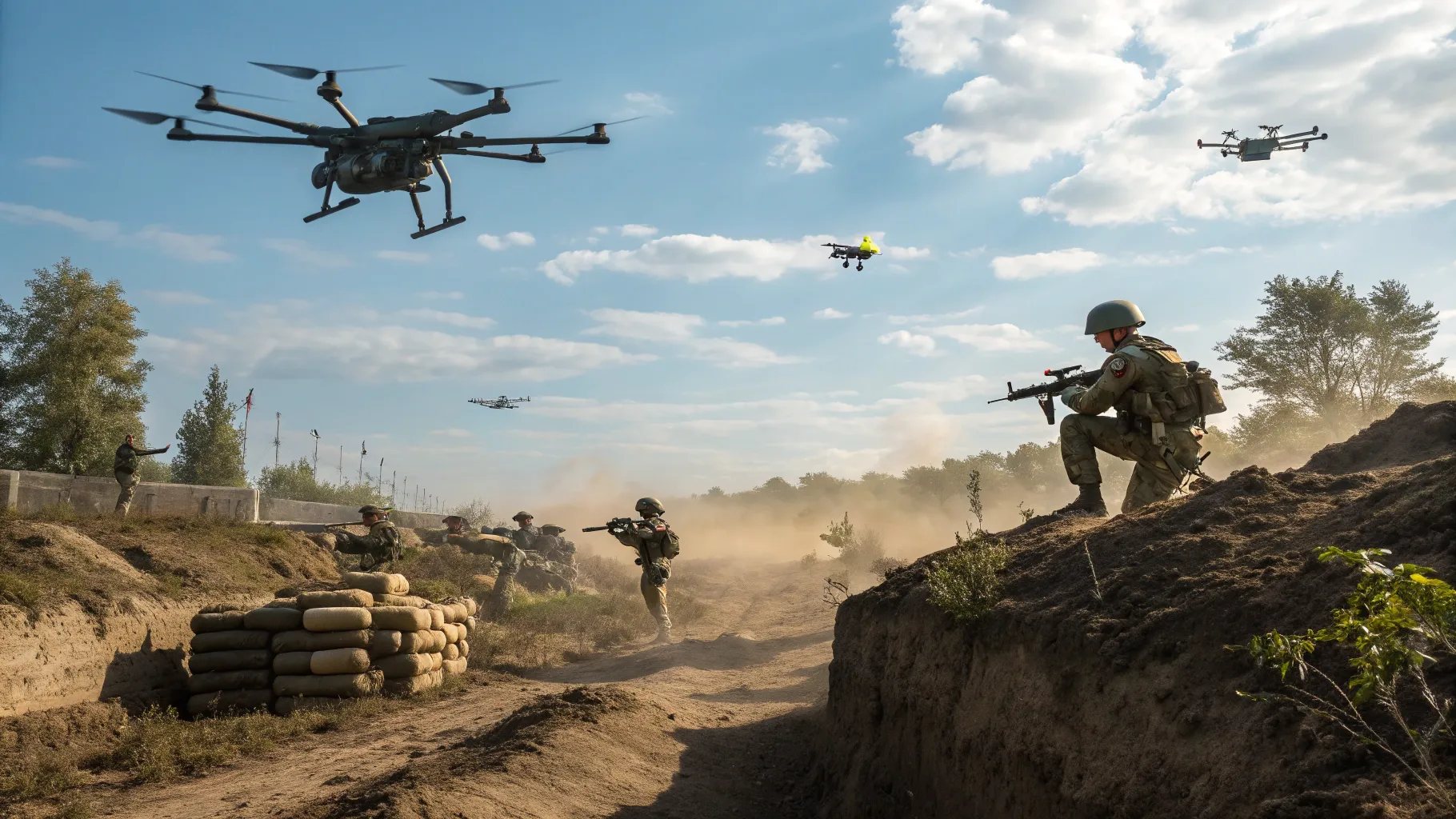
Military forces in Ukraine are using drones in two primary capacities. The first is as hunting tools, with unmanned aircraft actively seeking out and targeting enemy soldiers. These attack drones have become one of the most feared weapons on the battlefield, capable of delivering explosives with precision or providing targeting information for artillery units.
In stark contrast, the same technology is being used to sustain troops in difficult-to-reach positions. Supply drones deliver critical items to soldiers who might otherwise be cut off from regular resupply routes due to enemy fire or challenging terrain.
“When conventional supply lines are compromised by enemy action, drones can deliver medicine, ammunition, food, and water to positions that would be too dangerous to reach by vehicle or on foot,” a military analyst familiar with the conflict explained.
Technological Evolution in Combat
The Ukrainian conflict has accelerated the development and deployment of drone technology in warfare. What began with commercial off-the-shelf models has evolved into sophisticated systems specifically designed for military applications.
Both Ukrainian and Russian forces have established dedicated drone units, with some estimates suggesting thousands of drones are being lost monthly across the conflict zone. This has sparked a rapid cycle of innovation as each side attempts to gain technological advantages.
The front line has become a testing ground for drone warfare tactics that military experts worldwide are studying closely.
Supply drones typically feature:
- Payload capacities ranging from a few pounds to several dozen
- Extended flight ranges to reach isolated positions
- Automated flight paths to minimize operator exposure
- Thermal shielding to avoid detection
Impact on Trench Warfare
The dual use of drones has transformed the nature of trench warfare, which had previously changed little since World War I. Soldiers now face the constant threat of aerial surveillance and attack, forcing them to adapt their tactics and improve camouflage techniques.
For units in forward positions, supply drones have improved survival rates by delivering critical medical supplies when evacuation isn’t possible. They have also helped maintain combat effectiveness by ensuring ammunition resupply during intense engagements.
Military commanders have noted that the psychological impact works both ways. The threat of hunter drones creates significant stress for soldiers, while the reliability of supply drones provides reassurance that they won’t be abandoned if conventional supply lines are cut.
As the conflict continues, both the offensive and supportive roles of drones are expected to expand further. Military planners are already developing countermeasures against enemy drones while enhancing their own capabilities, reflecting how central these systems have become to modern warfare.
The lessons learned from Ukraine’s drone operations will likely influence military doctrine worldwide for decades to come, particularly in how armies approach trench and defensive warfare in future conflicts.

Kirstie a technology news reporter at DevX. She reports on emerging technologies and startups waiting to skyrocket.