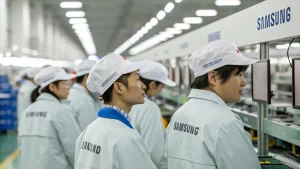
As competition in artificial intelligence heats up, some start-ups are turning to extreme schedules to move faster and win funding. The push is reviving “996,” a work pattern of 9 a.m. to 9 p.m., six days a week, and sparking new debate on how far is too far in the pursuit of growth.
The practice is spreading inside young companies chasing breakthroughs and customers. Leaders say long hours are a necessity to ship features, train models, and court investors. Critics warn the cost to health and retention will outweigh any short-term gains.
What 996 Means and Why It’s Back
996 refers to employees working 12-hour days for most of the week. The model rose in parts of the tech sector during earlier waves of growth, especially in high-pressure product sprints. It has since faced public pushback, legal scrutiny in some countries, and internal revolt at larger firms that adopted more formal policies.
AI development has renewed interest in the practice. Training cycles are expensive and time-sensitive. Start-ups feel pressure to ship quickly, capture early users, and secure new capital. Those forces create incentives for extended hours and “all-hands” sprints.
“Start-ups are promoting hardcore cultures such as ‘996,’ meaning working from 9 a.m. to 9 p.m. six days a week, as they race to compete in AI.”
Inside the Start-Up Argument
Founders often frame 996 as a short-term trade-off. They argue that intense effort is needed to reach technical milestones, close pilot deals, and hit proof points for the next round. They also point out that smaller teams must cover many roles at once.
Supporters say teams can coordinate faster with everyone online in the same long window. They claim faster iteration beats slower, more layered processes at larger competitors. In their view, speed is a deciding factor when model quality and features can shift day to day.
Worker Impact and Retention Risks
Employees describe a different side. Long shifts can reduce focus, raise error rates, and strain mental health. Hiring may suffer if candidates perceive the culture as unsustainable. Turnover can rise as experienced engineers opt for steady hours at established firms.
Labor experts have noted consistent links between extended workweeks and burnout. Fatigue can slow problem-solving and increase security mistakes. In high-stakes AI work—where data handling, model safety, and reliability matter—those errors can be costly.
- Short-term output can rise, but quality may fall.
- Recruitment pipelines may narrow to a smaller pool.
- Knowledge loss grows if departures spike.
Legal and Ethical Debate
Work-hour rules differ by country and state. Some regions impose caps or require overtime pay. Others offer looser guidelines that start-ups may test under the banner of “voluntary” commitment. Lawyers caution that informal pressure can still create compliance risks.
Ethically, leaders face a trust question. Do extreme schedules reflect shared mission or fear-based management? Clear expectations, opt-in sprints with time off, and transparent compensation for overtime can make a difference. Without safeguards, 996 can signal that output matters more than people.
Industry Pressure and Alternatives
AI competition is real. Model training windows, scarce talent, and fast-moving rivals reward quick execution. Yet there are other levers to gain speed without extreme hours. Teams can narrow product scope, ship smaller increments, and automate routine tasks.
Several start-ups report using on-call rotations, “quiet hours” for focused work, and no-meeting blocks to lift throughput. Others adopt “burst and recover” sprints with scheduled cooldown weeks. A few tie overtime to specific milestones with explicit end dates and recovery time built in.
What to Watch
Investors are paying attention to culture in diligence. A company reliant on constant overtime may carry hidden attrition and quality risks. Boards are asking for observable metrics like incident rates, release rollback counts, and hiring conversion to gauge whether workloads are sustainable.
Candidates are also asking harder questions. They want clarity on weekend expectations, pager duty, remote norms, and comp ties to off-hours work. Clear documentation and predictable schedules can become a hiring advantage.
The Road Ahead
AI start-ups face a hard choice: run hotter or redesign workflow. Some will keep pushing 996 as a sign of commitment. Others will chase speed through focus and process design.
If extreme schedules persist, more scrutiny is likely from regulators, investors, and workers. The companies that balance urgency with sustainability may find they can move fast without burning out the people who build the product.
For now, the message is simple: speed matters, but so does staying power. How leaders manage that tension will shape which AI start-ups endure and which fade after the sprint.

Rashan is a seasoned technology journalist and visionary leader serving as the Editor-in-Chief of DevX.com, a leading online publication focused on software development, programming languages, and emerging technologies. With his deep expertise in the tech industry and her passion for empowering developers, Rashan has transformed DevX.com into a vibrant hub of knowledge and innovation. Reach out to Rashan at [email protected]