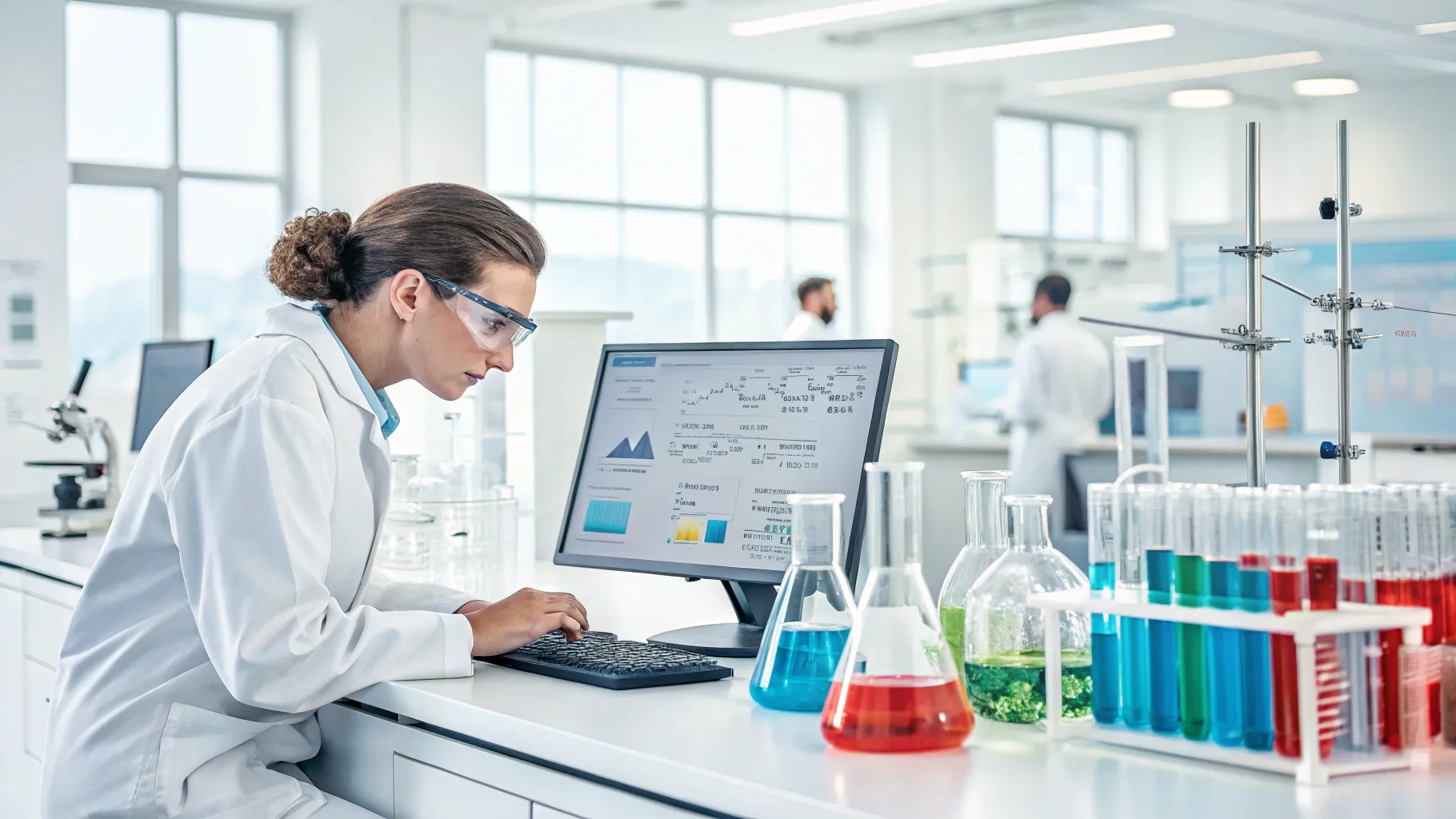
Chemical engineers at MIT have developed a new computational model using machine learning that can predict how well specific molecules will dissolve in organic solvents. This breakthrough has significant implications for pharmaceutical development and chemical manufacturing processes.
The research team’s model addresses one of the fundamental challenges in chemical engineering: accurately predicting solubility without extensive laboratory testing. By leveraging machine learning algorithms, the engineers created a system that can analyze molecular structures and determine their dissolution properties in various organic solvents.
Pharmaceutical Applications
The pharmaceutical industry stands to benefit substantially from this innovation. Drug development requires precise understanding of how active pharmaceutical ingredients dissolve in different solvents during manufacturing processes. Currently, this often involves time-consuming trial-and-error approaches.
With MIT’s new predictive model, pharmaceutical companies could streamline their development pipelines by quickly identifying optimal solvent conditions for new drug candidates. This could potentially reduce development time and costs while increasing the efficiency of bringing new medications to market.
How the Technology Works
The computational model analyzes molecular structures and their chemical properties to make accurate predictions about solubility behavior. By training the machine learning system on existing solubility data, the engineers created a tool that can generalize these patterns to new, previously untested molecules.
Unlike previous approaches that relied heavily on experimental data for each specific molecule-solvent combination, this model can make predictions based on structural information alone. This represents a significant advancement in computational chemistry capabilities.
The system examines several key factors that influence solubility:
- Molecular structure and functional groups
- Polarity characteristics
- Intermolecular forces
- Solvent properties
Broader Industrial Impact
Beyond pharmaceuticals, the technology has applications across multiple industries that rely on chemical processes. Materials science, agrochemicals, and specialty chemicals manufacturing all face similar challenges in predicting and optimizing solubility.
The ability to accurately predict how molecules will behave in different solvents could lead to more efficient chemical processes, reduced waste, and lower environmental impacts. Manufacturing processes could be designed with greater precision, potentially saving resources and reducing the need for hazardous solvents.
“This type of prediction could make it much easier to develop new ways to produce pharmaceuticals and other useful molecules,” noted the research team in their findings.
Future Research Directions
While the current model focuses on organic solvents, the researchers indicate that similar approaches could be applied to other solubility challenges, including aqueous systems and mixed solvent environments. The team is also exploring ways to further refine the model’s accuracy and expand its applicability to more complex molecular structures.
As computational power continues to increase, such predictive models may become even more sophisticated, potentially allowing for real-time solubility optimization in chemical manufacturing processes.
The MIT research represents an important step toward integrating advanced computational methods with traditional chemical engineering, creating tools that can accelerate innovation across multiple scientific disciplines. By reducing the need for extensive experimental testing, these predictive models may help scientists focus their efforts on the most promising avenues for developing new useful compounds.

Deanna Ritchie is a managing editor at DevX. She has a degree in English Literature. She has written 2000+ articles on getting out of debt and mastering your finances. She has edited over 60,000 articles in her life. She has a passion for helping writers inspire others through their words. Deanna has also been an editor at Entrepreneur Magazine and ReadWrite.