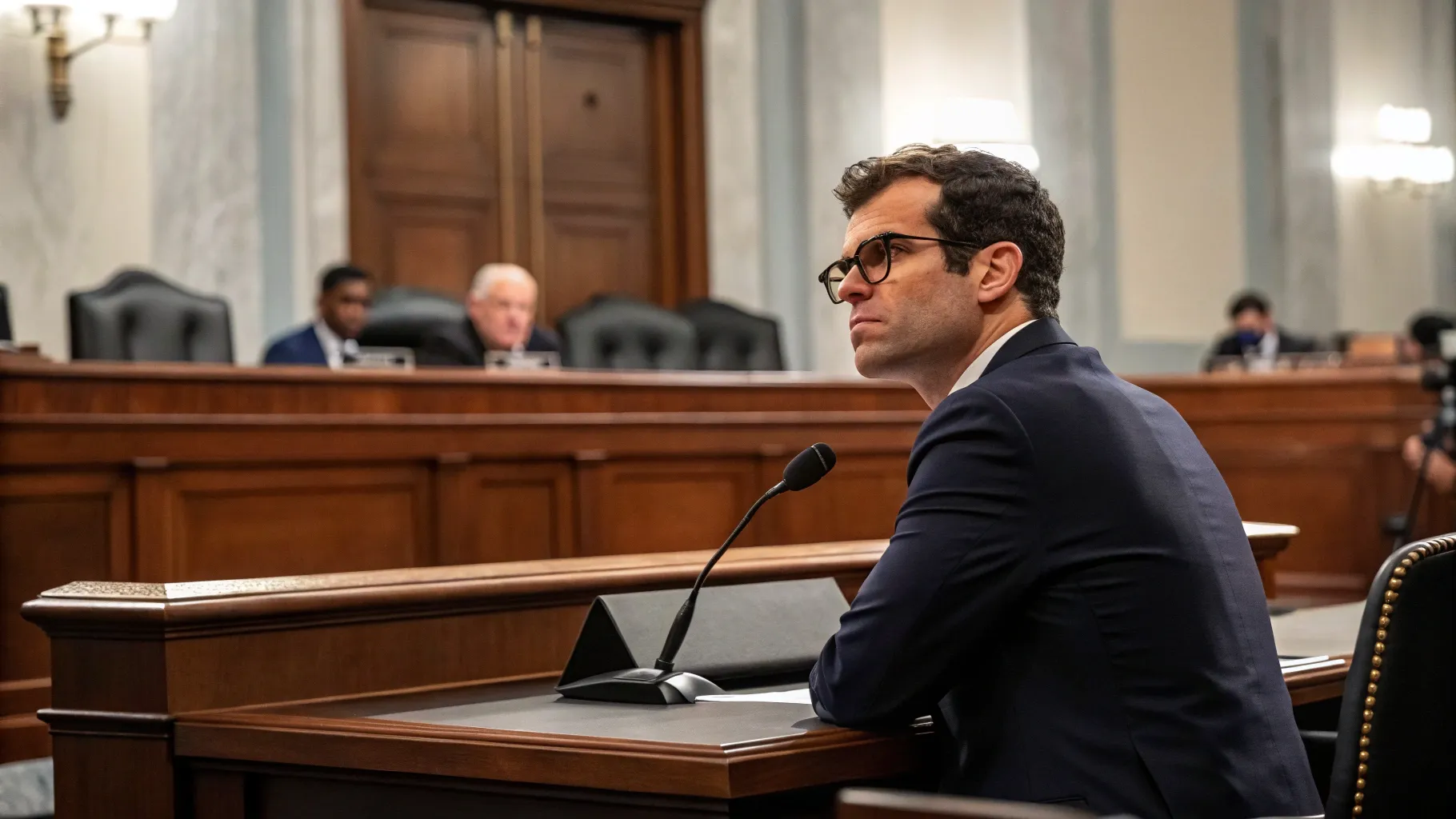
Adam Mosseri, the head of Instagram, took the stand Thursday in Washington, D.C., as a high-stakes antitrust case against Meta moved into a new phase. His appearance gave the court a closer look at how Instagram operates and how it views its rivals. The case tests how U.S. antitrust law applies to large social networks and their control over users, creators, and advertisers.
The federal trial, held in the U.S. District Court for the District of Columbia, centers on whether Meta maintained an illegal monopoly in personal social networking. Government lawyers argue that past deals and product decisions shut out competition. Meta says the market is wide and fiercely competitive, with users moving freely among apps.
Why This Case Matters
The lawsuit grew out of a broader push by regulators to challenge the power of big tech. The Federal Trade Commission first sued Facebook, now Meta, in 2020. After revisions, the case survived Meta’s attempt to dismiss it in 2022, allowing the claims to proceed to trial. At issue is whether Meta’s ownership of Instagram and WhatsApp gave it unfair control over social networking and the ad dollars that follow it.
Instagram has become central to Meta’s business and to the daily lives of creators and brands. It competes for attention and ad spending with TikTok, YouTube, Snapchat, and emerging platforms. The court will weigh how to define the market. Is it “personal social networking,” where Meta is strong, or short video and social media more broadly, where rivals loom large?
Key Questions Facing the Court
- How to define the market where Meta competes and profits.
- Whether acquisitions like Instagram reduced meaningful competition.
- If product choices harmed users, creators, or advertisers.
- What remedies, if any, would fix the alleged harms.
Inside Instagram’s Role
Instagram is a gateway for culture, shopping, and short-form video. Reels, Stories, and direct messages keep users engaged for long stretches. Mosseri’s testimony is expected to address how Instagram measures success, how it sets priorities, and how it responds to rivals’ features.
Meta argues that user behavior proves strong competition. People often keep multiple apps on their phones. Creators post the same content across several platforms. Advertisers split budgets to chase diverse audiences, formats, and prices.
Regulators see something else. They say Meta’s past strategy weakened rivals before they could grow. They point to the Instagram acquisition as removing a rising threat. They also highlight internal moves that mirrored features from challengers, casting them as a way to neutralize new entrants rather than out-innovate them.
What Is at Stake for Users and Creators
For users, the outcome could shape how features evolve and how data is handled. A breakup could result in separate product roadmaps for Instagram and other Meta apps. Conduct remedies, such as limits on data sharing, could change how algorithms rank posts or how ads are targeted.
Creators and small businesses have a lot riding on the decision. Their income depends on reach, promotion tools, and stable rules. If the court orders structural changes, there may be a period of adjustment. If the court finds no violation, Meta’s integrated services will likely continue as they are, with ongoing pressure from TikTok and YouTube.
Evidence the Court Will Weigh
The judge is expected to review documents and testimony on user trends, ad pricing, and product launches. Historic episodes will feature heavily: the Instagram and WhatsApp acquisitions, the rollout of Stories after Snapchat’s rise, and Reels following TikTok’s surge. The court will look for proof of harm, not just scale.
Analysts say remedies could range widely. Options include behavioral limits, such as data firewalls, or structural steps, such as divestitures. The court must balance any remedy against the risk of disrupting services used by billions. Past cases show that courts are cautious, but they can act when they find sustained harm to competition.
What Comes Next
As testimony continues, expect more focus on how Meta defines rivals and how Instagram’s leadership tracks user time and creator satisfaction. The government will try to link Meta’s size to reduced choice and higher barriers for newcomers. Meta will counter with evidence of churn, innovation by rivals, and falling ad prices in some formats.
The ruling will carry wide effects. It could reset how tech mergers are judged, especially deals involving fast-growing apps. It could also influence pending cases against other large platforms. For now, the industry is watching D.C., where Instagram’s leader has entered the record and the court probes the reach of Meta’s power.
The trial’s outcome may take months. When it arrives, it will offer a clear view of how U.S. law treats scale in social networking. Users, creators, and advertisers should prepare for change, whether through new guardrails or a reaffirmed status quo.

Deanna Ritchie is a managing editor at DevX. She has a degree in English Literature. She has written 2000+ articles on getting out of debt and mastering your finances. She has edited over 60,000 articles in her life. She has a passion for helping writers inspire others through their words. Deanna has also been an editor at Entrepreneur Magazine and ReadWrite.