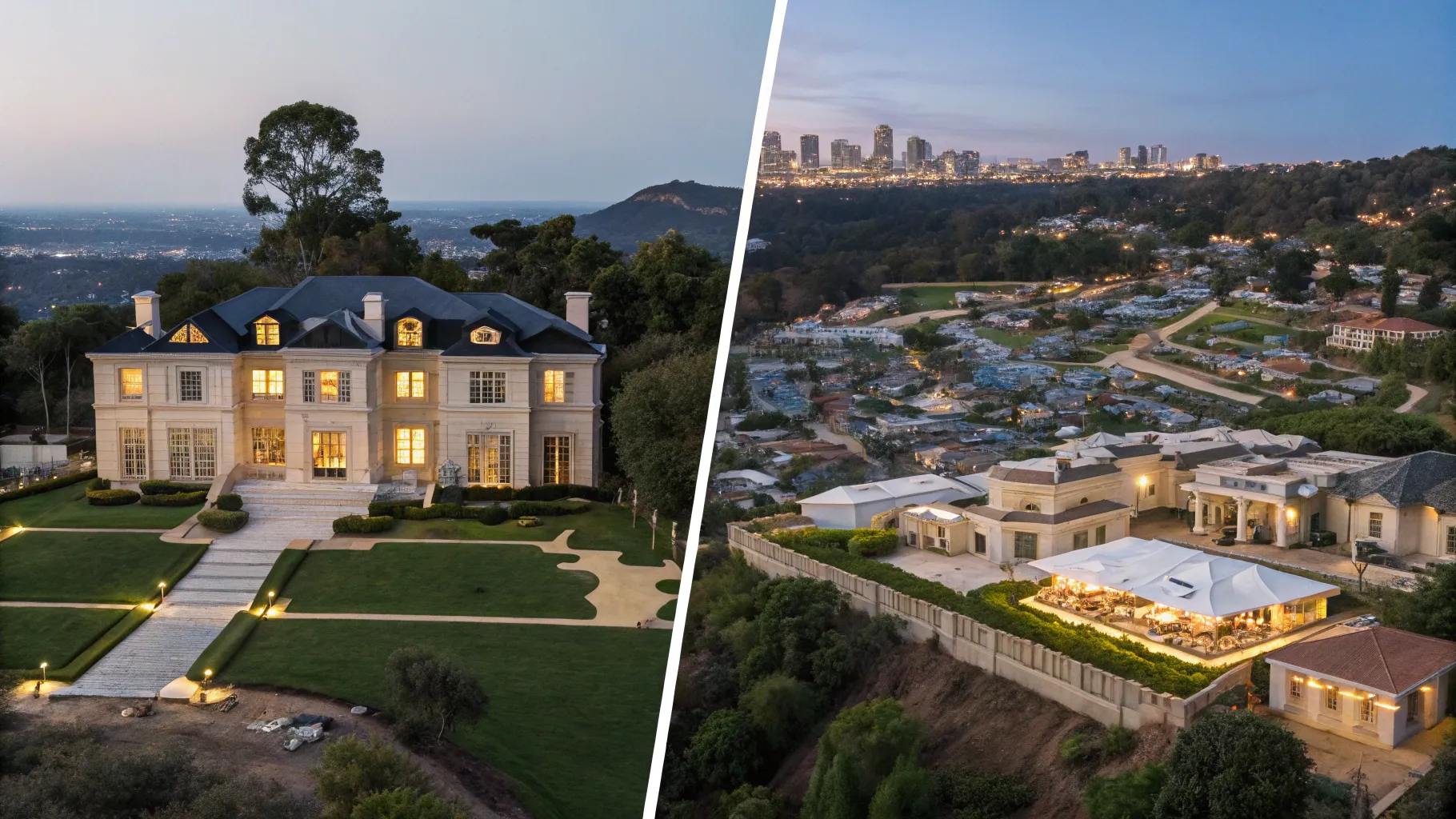
A single, stark claim is sparking fresh debate over inequality: a tiny slice of humanity controls a towering share of global wealth. The statement, shared this week in a public talk, suggests that about 56,000 people hold three times as much wealth as half of humanity. It is a bold comparison that invites a simple question: how should people picture a gap this large, and what does it mean for policy and daily life?
“About 56,000 people control three times as much wealth as half of humanity.”
A Stark Claim, Put in Perspective
The figure centers on extreme concentration. It points to a group roughly the size of a mid-sized sports stadium. The comparison group is 4 billion people. That contrast aims to show scale, not just dollars.
Wealth concentration has risen for decades. After the 2008 financial crisis, top fortunes rebounded faster than wages. The pandemic then accelerated asset gains. Stock markets and real estate surged. Many households, especially in poorer countries, did not recover as quickly.
How to Visualize the Gap
Big numbers can feel abstract. Analysts often use simple visuals to help people see them.
- Imagine each $100,000 as a single grain of rice. The pile for 56,000 very rich people would form a warehouse wall. The pile for the bottom half would be much smaller, scattered across billions of bowls.
- Line up dollars as seconds of time. One million dollars is about 11.6 days. One billion dollars is about 31.7 years. Total wealth for the bottom half spans years, but the combined fortunes of the 56,000 stretch into centuries.
- Picture a city budget. The top group holds the equivalent of many national budgets. The bottom half looks like a cash-strapped town council.
These visuals are not perfect. Wealth is not cash on a table. It is assets, debts, and valuations. But the pictures help show the gap’s scale.
What the Data Shows
Several sources track wealth. Oxfam has reported that the top 1% owns close to half of all global wealth. Its 2024 briefing said the five richest men doubled their fortunes since 2020, while billions saw income strain. UBS’s Global Wealth Report notes that median adult wealth fell in 2022 even as the very top held firm. The number of people with more than $30 million has grown over the past decade.
These studies differ in methods. Some count adults; others count households. Some include pensions; others do not. All point in the same direction: significant concentration at the top. The claim about 56,000 people aligns with the idea that a very small elite holds sums that exceed what billions own combined.
Why It Matters
Concentrated wealth can shape politics, markets, and daily life. It affects who funds campaigns, who builds or buys companies, and who sets the terms of growth. It also affects resilience when shocks hit. People with little wealth have less cushion during job loss, illness, or climate events.
Advocates for reform say the fix is clear. They argue for higher taxes on large fortunes, stronger inheritance rules, and better public services. “If wealth is pooling at the top, the tax system should reflect that,” one policy analyst said in an interview following the talk.
Others push back. Investors and business leaders say concentrated capital can seed innovation, fund risky research, and scale new industries. They warn that poorly designed taxes could hurt growth or drive capital flight. A venture capitalist contacted for reaction framed the issue this way: “Capital concentration is a symptom of scale in modern markets. The goal should be mobility, not punishment.”
What to Watch Next
Several trends will test the balance. Markets remain elevated, which lifts asset holders first. Interest rates are higher than in the 2010s, which can pinch borrowers and favor savers. Automation and AI may boost productivity but could widen income gaps unless policy adapts.
Countries are trying new tools. Some are expanding child benefits and wage supports. Others are debating wealth taxes or closing loopholes. Data transparency is also on the agenda, as hidden assets blur the picture of who owns what.
The claim about 56,000 people is dramatic, but the direction of travel is clear. Wealth has pooled faster at the top than in the middle. Policymakers now face two tests: ease the squeeze on those with little wealth, and keep investment flowing. The result will shape growth, fairness, and public trust in the years ahead.

Senior Software Engineer with a passion for building practical, user-centric applications. He specializes in full-stack development with a strong focus on crafting elegant, performant interfaces and scalable backend solutions. With experience leading teams and delivering robust, end-to-end products, he thrives on solving complex problems through clean and efficient code.