A warning about heavy water demand has put a new project under scrutiny this week, raising questions about supplies, rates, and local planning. At a public discussion, one attendee summed up the mood with a stark line.
“It’s guzzling up even more water than expected.”
The comment sharpened a debate that has been building for months. Residents and planners are weighing the cost of growth against limited water resources. The central question is simple. How much water can the region spare, and who gets it first?
Rising Demand Meets Tight Supplies
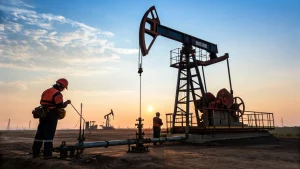
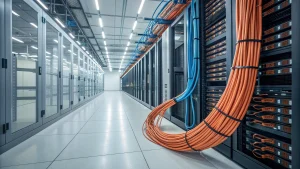
Communities across the country are adding large facilities that need steady water. These include data centers, factories, food processors, and energy sites. Each can draw large volumes to cool equipment, run boilers, or clean products. The draw can be steady, even on hot days when homes also need more water.
Many regions have faced dry years and strict conservation rules. Utilities plan years ahead, but new projects can change the math. When demand is higher than models assume, rate hikes or new wells can follow. That is the concern now. The project’s water need appears higher than early estimates.
What Residents Fear
Neighbors worry about three things. First, a sudden strain on the system during peak heat. Second, rising bills if the utility must expand treatment or buy extra supplies. Third, long-term stress on rivers and aquifers that are already low in some seasons.
- Peak demand risk: Hot days can push systems near limits.
- Costs: New pipes, pumps, or purchases may raise rates.
- Environmental impact: Streams and aquifers need time to recover.
Some ask for a pause. Others want more data before permits move forward. The shared view is that water plans should match the project’s true demand, not a best-case guess.
What Companies Can Do
Project leaders often point to conservation steps. Closed-loop cooling can cut evaporation compared with once-through systems. Using recycled or “reclaimed” water can reduce pressure on drinking supplies. Storing water off-peak and drawing at night can ease daytime stress. Regular public reports can build trust.
These steps can help, but results vary by site. The type of process, local climate, and the source water all matter. A factory that reuses rinse water may save a lot. A server farm in a hot, dry area may still need more for cooling. The key is to tie promises to measurable targets and to verify them.
What the Data Suggests
Water planners look at daily peaks, monthly trends, and worst-case droughts. A project’s “nameplate” demand often differs from real use after operations begin. That gap can be large if production grows or if cooling needs rise. That appears to be part of the issue here. The early models did not match current draw.
Best practice is to publish a clear water budget. It should show seasonal use, backup sources, and savings from conservation. It should also identify triggers for action, like when the facility must switch to reclaimed water or slow intake during heat waves.
Balancing Growth and Reliability
Cities want jobs and investment. They also need reliable, fair service for residents and small businesses. That balance often comes down to contract terms. Some utilities require large users to pay for system upgrades. Others set summer surcharges to reduce peak strain. Environmental permits can set intake caps to protect streams.
Community groups ask for guardrails. They want binding limits, real-time reporting, and penalties if targets are missed. Industry groups, in turn, ask for clear rules and fast decisions. They say delays raise costs and drive projects elsewhere.
Next Steps
Officials are likely to order updated modeling and a public review of alternatives. Expect attention on three items: the shift to reclaimed water, peak-day limits, and funding for any upgrades. If the facility can cut use per unit of output, the project may proceed with conditions. If not, it could face tighter caps or a revised timeline.
The takeaway is simple. Water math must match real operations. Residents want proof that supply is secure in dry years. Companies want predictability and a clear path to compliance. The coming weeks will show whether both sides can agree on a plan that protects the system and keeps growth on track.

Rashan is a seasoned technology journalist and visionary leader serving as the Editor-in-Chief of DevX.com, a leading online publication focused on software development, programming languages, and emerging technologies. With his deep expertise in the tech industry and her passion for empowering developers, Rashan has transformed DevX.com into a vibrant hub of knowledge and innovation. Reach out to Rashan at [email protected]