Alphabet has agreed to acquire clean energy developer Intersect for $4.75 billion, a move that signals how far cloud companies will go to secure electricity for artificial intelligence growth. The deal represents a major exit for the Pacific Northwest and highlights the mounting pressure to find reliable, low-carbon power for data centers.
Google parent Alphabet’s $4.75 billion acquisition of clean energy developer Intersect is a major Pacific Northwest exit that shows how cloud giants are racing to secure the power needed to fuel their AI data center ambitions.
The transaction, disclosed as AI buildouts strain grids across the United States, suggests a shift from long-term power purchase agreements to outright ownership and development of generation assets. It comes as hyperscalers seek to manage costs, reduce emissions, and smooth permitting timelines.
Why Energy Is Now a Cloud Strategy
AI models require vast computing capacity. That capacity runs on electricity. Executives across the sector have warned that power scarcity is becoming a gating factor for new data center sites. Owning or controlling renewable projects can lower risk and improve visibility on supply.
Analysts estimate global data center electricity use could climb sharply in the next few years, driven by AI training and inference. In the United States, interconnection queues for new energy projects have swelled, with studies putting the total at more than 2,000 gigawatts waiting for grid access. These delays have pushed large buyers to look for faster, more direct options.
A Pacific Northwest Exit With National Implications
The Pacific Northwest has long been a magnet for data centers, thanks to hydropower, cooler weather, and access to fiber routes. But even the region is facing tighter supplies and local scrutiny over energy and water use. A sizeable sale of a clean energy developer tied to the region suggests investors see enduring demand for new generation and storage.
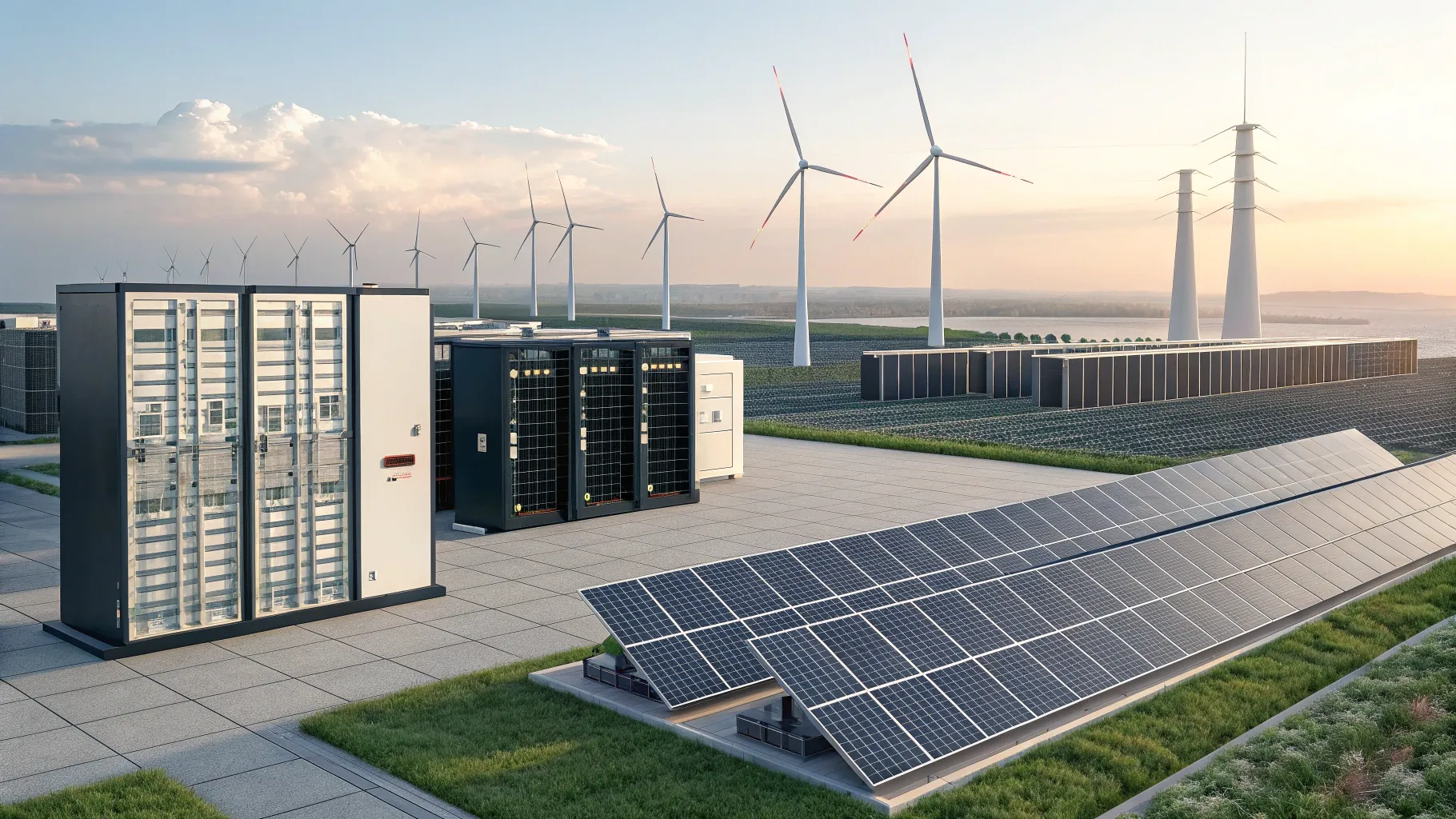
Cloud companies have already signed multiyear deals for wind, solar, and batteries across Oregon and Washington. The purchase of a developer adds a new lever: project pipeline control. That could speed delivery of power to campuses coming online in the second half of the decade.
What Alphabet Gains
Buying a developer can offer earlier involvement in site selection, permitting, interconnection filings, and storage pairing. It may also help match project output to data center load profiles, using batteries to shift solar or wind to evening hours.
- Closer alignment of clean power supply with AI demand growth.
- Potential cost savings and hedging against volatile electricity markets.
- More control over delivery timelines than third-party contracts alone.
Alphabet has long pursued renewable energy credits and power contracts to support its carbon goals. Direct development is a deeper step that could reshape how it plans data center expansions.
Rival Strategies and a Growing Race
Alphabet is not alone. Industry peers have accelerated energy moves in recent years, including gigawatt-scale power deals, on-site backup investments, and partnerships with utilities. Several companies are exploring advanced technologies such as long-duration storage and small modular reactors, while others are doubling down on grid-scale renewables and transmission support.
The common thread is urgency. New AI clusters can each demand hundreds of megawatts. Regions with spare capacity are rare, and permitting new lines can take many years. That reality is pushing buyers upstream into development.
Risks and Open Questions
Energy development carries risks that tech firms do not traditionally hold, including permitting setbacks, interconnection costs, and commodity price swings. Community concerns over land use and water can slow projects. Regulators may also examine how large buyers affect market competition for clean power.
For the grid, large direct purchases could speed construction but also concentrate influence. Policymakers will watch how corporate ownership interacts with decarbonization plans and reliability standards.
What to Watch Next
Key signals in the months ahead include which projects move fastest to construction, how much storage is paired with new renewables, and whether utilities adapt tariffs for high-density AI loads. Observers will also track whether other cloud firms pursue similar acquisitions rather than relying only on contracts.
The sale price underscores investor expectations that power is the new bottleneck for AI. If this model proves effective, the line between technology and energy development will narrow further.
Alphabet’s move marks a new phase in the AI buildout: securing the electrons before the servers arrive. The next test is execution—bringing clean megawatts online, on time, and aligned with fast-rising demand.

Rashan is a seasoned technology journalist and visionary leader serving as the Editor-in-Chief of DevX.com, a leading online publication focused on software development, programming languages, and emerging technologies. With his deep expertise in the tech industry and her passion for empowering developers, Rashan has transformed DevX.com into a vibrant hub of knowledge and innovation. Reach out to Rashan at [email protected]