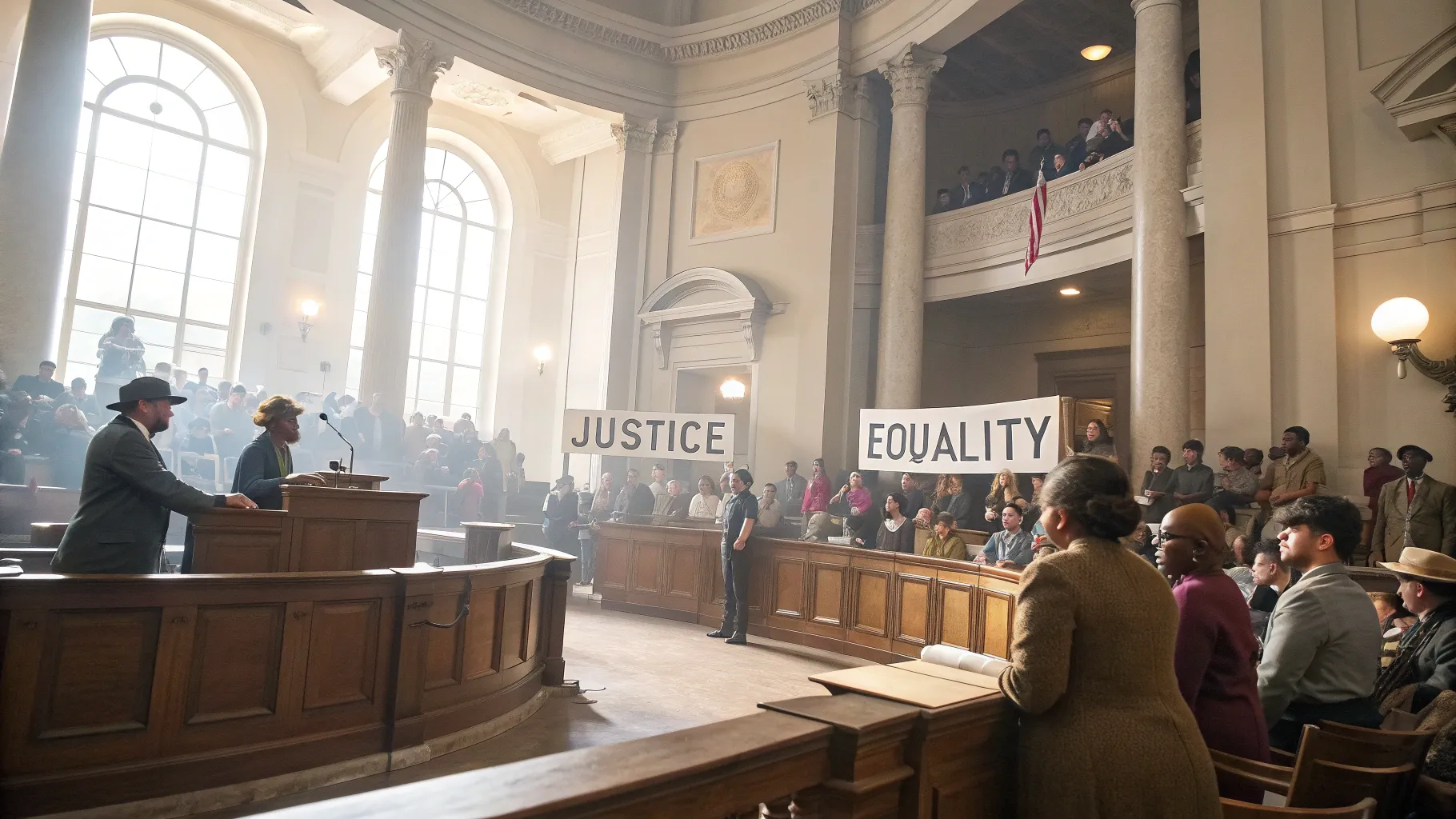
A simple claim is driving a wider debate about law, power, and responsibility in the United States. It argues that a core duty of any civilized society is to stop the strong from harming the weak, and that the nation was built on this idea. The message arrives as policymakers, courts, and communities wrestle with questions of safety, rights, and fair treatment.
“The moral purpose of civilized society is to prevent the stronger from attacking the weaker. The US was founded on that principle.”
Supporters say this reflects the country’s founding design. They point to the rule of law, checks and balances, and individual rights. Critics counter that practice has often fallen short, and that the meaning of “protection” keeps changing with each era.
Historical Roots and Constitutional Promises
At the nation’s start, leaders wrote a Constitution to limit state power and curb private abuse. The Preamble sets goals to establish justice and ensure domestic peace. The Bill of Rights protects speech, due process, and equal treatment under the law.
Early struggles show how the principle evolved. Abolitionists fought slavery, arguing that freedom required the state to shield the vulnerable. Later, the civil rights movement pushed the federal government to enforce equal protection when local power failed.
Court rulings often turned on the same idea. Equal protection and due process cases sought to prevent powerful actors, public or private, from using force or influence to deny basic rights. The pattern repeats across labor law, antitrust, and consumer protection.
Where the Principle Meets Policy
Today, the argument surfaces across many fronts. It shapes debates on policing, domestic violence protections, online safety, and competition policy. Each field asks how government should step in to stop harm without overstepping.
- Public safety: balancing crime prevention with civil liberties.
- Antitrust: restraining dominant firms to protect consumers and small rivals.
- Online harms: addressing harassment and exploitation while preserving free expression.
- Civil rights: enforcing anti-discrimination laws in housing, work, and voting.
Advocates for strong action say protection is the state’s first job. They argue that unchecked power—whether physical, financial, or digital—breeds abuse. Opponents warn that sweeping measures can chill speech, stall innovation, or create new forms of unfairness.
Voices and Counterpoints
The quoted statement has gained traction for its clarity. It sets a moral test for law and policy. But legal scholars note that the Constitution guards both safety and liberty, and those goals can clash.
Civil libertarians warn that efforts to shield the weak can expand state power in ways that harm the same communities. They call for precise rules, strong oversight, and transparency. Economic analysts add that competition policy must weigh consumer prices, market entry, and long-term innovation, not just firm size.
Community leaders argue that protection requires resources and trust. They cite investments in victim services, mental health, and youth programs. They also stress accountability for misuse of authority, whether by public officials or private actors.
Measuring Protection and Harm
Translating the principle into results requires clear metrics. Policymakers track crime rates, court access, discrimination complaints, and market concentration. Consumer agencies review scams, fraud, and deceptive practices. Civil rights offices monitor enforcement outcomes, not just laws on paper.
Analysts also look at who benefits and who is left out. A policy can reduce harms overall while deepening inequality if protections do not reach marginalized groups. Data disaggregated by race, gender, income, and region helps expose those gaps.
Looking Ahead
The core test remains simple: do the rules stop stronger parties from preying on weaker ones without erasing basic freedoms? That tension will guide the next round of fights over safety, markets, and rights.
The quoted idea will likely keep shaping the debate. It offers a clear moral yardstick, but it does not supply easy answers. The work lies in drawing careful lines, measuring outcomes, and adjusting when harms persist or new ones appear.
As Congress, regulators, and courts set the next set of rules, the public will watch for two results: fair protection from abuse and strong guardrails for liberty. Those outcomes will determine whether the nation is living up to the principle it often claims as its own.

A seasoned technology executive with a proven record of developing and executing innovative strategies to scale high-growth SaaS platforms and enterprise solutions. As a hands-on CTO and systems architect, he combines technical excellence with visionary leadership to drive organizational success.