CES 2026 opens in Las Vegas with a clear theme: artificial intelligence stepping off the screen and into the real world. Product reveals begin even before the January 6 kickoff, with Amazon, Nvidia, Hyundai, AMD, and others preparing announcements. The show centers on how AI will shape devices, vehicles, and factories, signaling a year when software meets steel and silicon.
The early timing hints at a crowded slate, as companies race to secure attention. Organizers expect a surge in hardware that embeds AI at the chip and device level. The focus raises urgent questions about safety, standards, and who will benefit first.
What’s New This Year
“AI is at the center of most of the action.”
This year’s message is direct. AI no longer sits only in cloud services or apps. It is moving into robots, cars, and factory lines. Expect demos that combine sensors, on-device processing, and connectivity for faster response times.
Pre-show teasers point to several fronts:
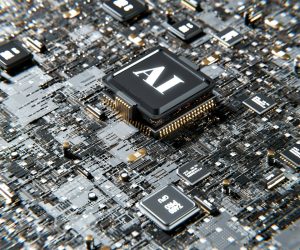
- Chips that run generative and vision models on devices.
- Robots that handle repetitive tasks and adapt to changes.
- Driver-assistance and self-driving systems with new safety layers.
- Home devices that personalize actions using local AI.
Companies are staging reveals ahead of the main event to shape the conversation. These early drops often set pricing signals and benchmarks for rivals.
AI Meets the Physical World
“We’re hearing a lot more about the convergence of AI and the physical world, whether it’s in factories, robotics, or autonomous vehicles.”
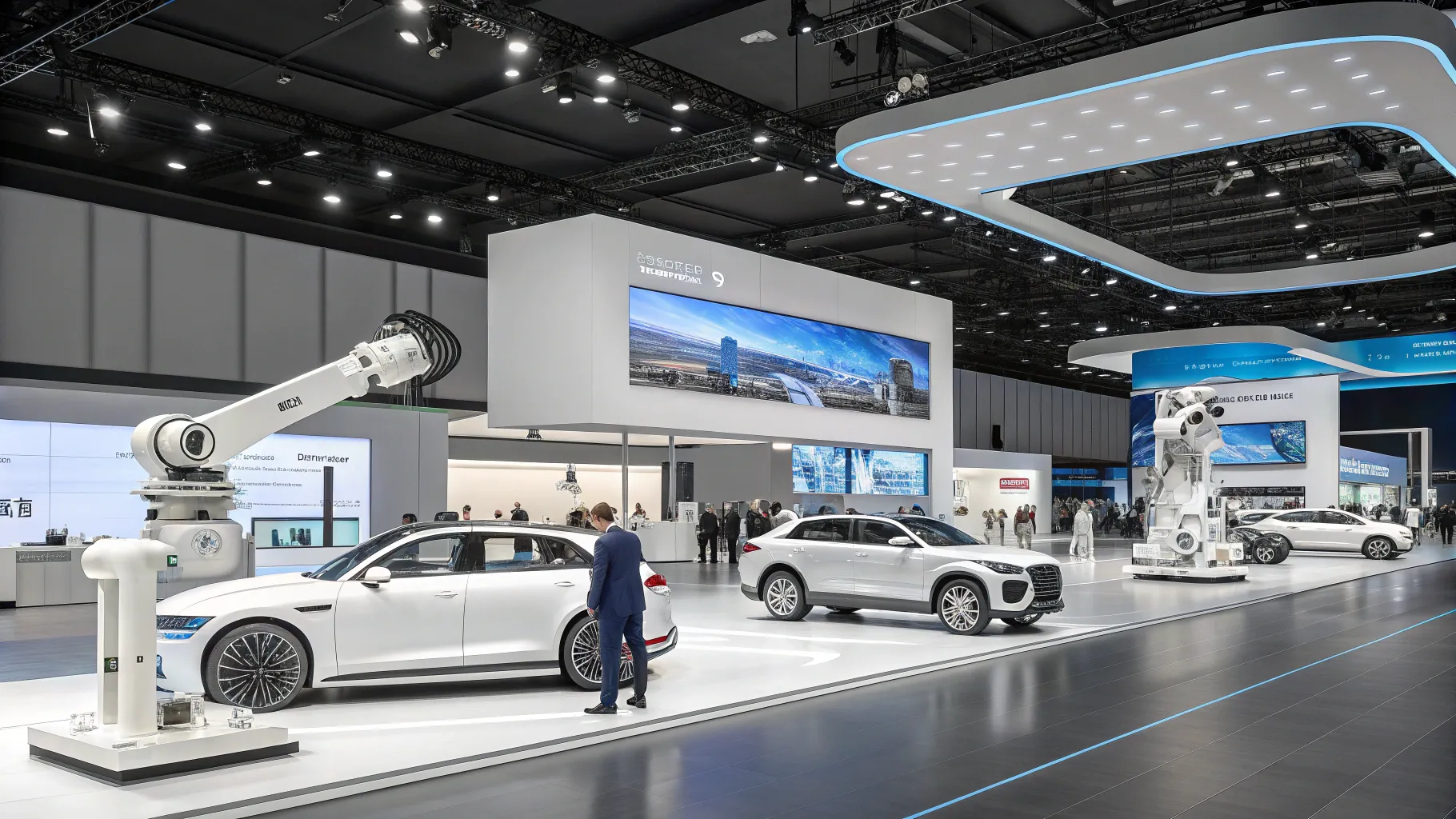
That convergence defines the stakes. In factories, AI guides robots, predicts failures, and manages energy use. In logistics, it routes goods and coordinates fleets. In cars, it supports perception, planning, and monitoring.
Hyundai is expected to stress robotics and mobility. Nvidia and AMD aim to show chips and software stacks that power these systems. Amazon’s updates will likely touch cloud-to-edge links for homes and enterprises. Each company is chasing faster inference, lower latency, and better safety.
Why It Matters
Embedding AI in machines can cut costs and time. It can increase productivity in plants and warehouses. It can help vehicles respond faster without sending data to a distant server. These benefits also raise issues.
Safety and oversight remain top concerns. Systems must handle edge cases, from factory slips to odd road hazards. Data privacy is another. Devices that learn on the fly must secure local data and model updates.
Workforce impact sits close behind. Automation may shift roles from manual work to supervision and maintenance. Companies at the show often present training programs with new tools. Unions and policymakers will watch how these plans evolve.
The Competitive Race
Chipmakers are central. They provide the engines for on-device AI. The arms race includes support for large and small models, power efficiency, and developer tools. Software platforms matter too. Firms want simple ways to build, test, and update models across many devices.
Automakers and mobility startups look for reliable partners. They need long-term supply agreements and upgrade paths. Consumer brands chase features that feel useful, not gimmicky. That means clear controls, offline options, and visible safety checks.
Trends and What to Watch
Several trends are likely to guide the week:
- More edge AI, less dependence on the cloud for split-second tasks.
- Model compression and quantization becoming standard for devices.
- Safety “co-pilots” that monitor other systems in real time.
- Open standards for interoperability across robots and sensors.
Forecasts point to steady growth in industrial AI spending and automotive software revenue. Success will depend on pilot projects that show clear returns. Case studies that link uptime, defect rates, and energy savings will be key proof points.
On the Ground and Next Steps
Live updates will track the rapid flow of news, from major keynotes to niche demos. Early reveals can shift expectations, but hands-on tests often tell the real story. Watch for pricing details, partner lineups, and timelines for shipping products.
CES 2026 underscores a clear turn: AI is becoming part of physical systems that people touch and trust. The winners will show safety, reliability, and value in daily use. As announcements roll out, the next test will be deployment at scale, not just promises on stage.

Deanna Ritchie is a managing editor at DevX. She has a degree in English Literature. She has written 2000+ articles on getting out of debt and mastering your finances. She has edited over 60,000 articles in her life. She has a passion for helping writers inspire others through their words. Deanna has also been an editor at Entrepreneur Magazine and ReadWrite.