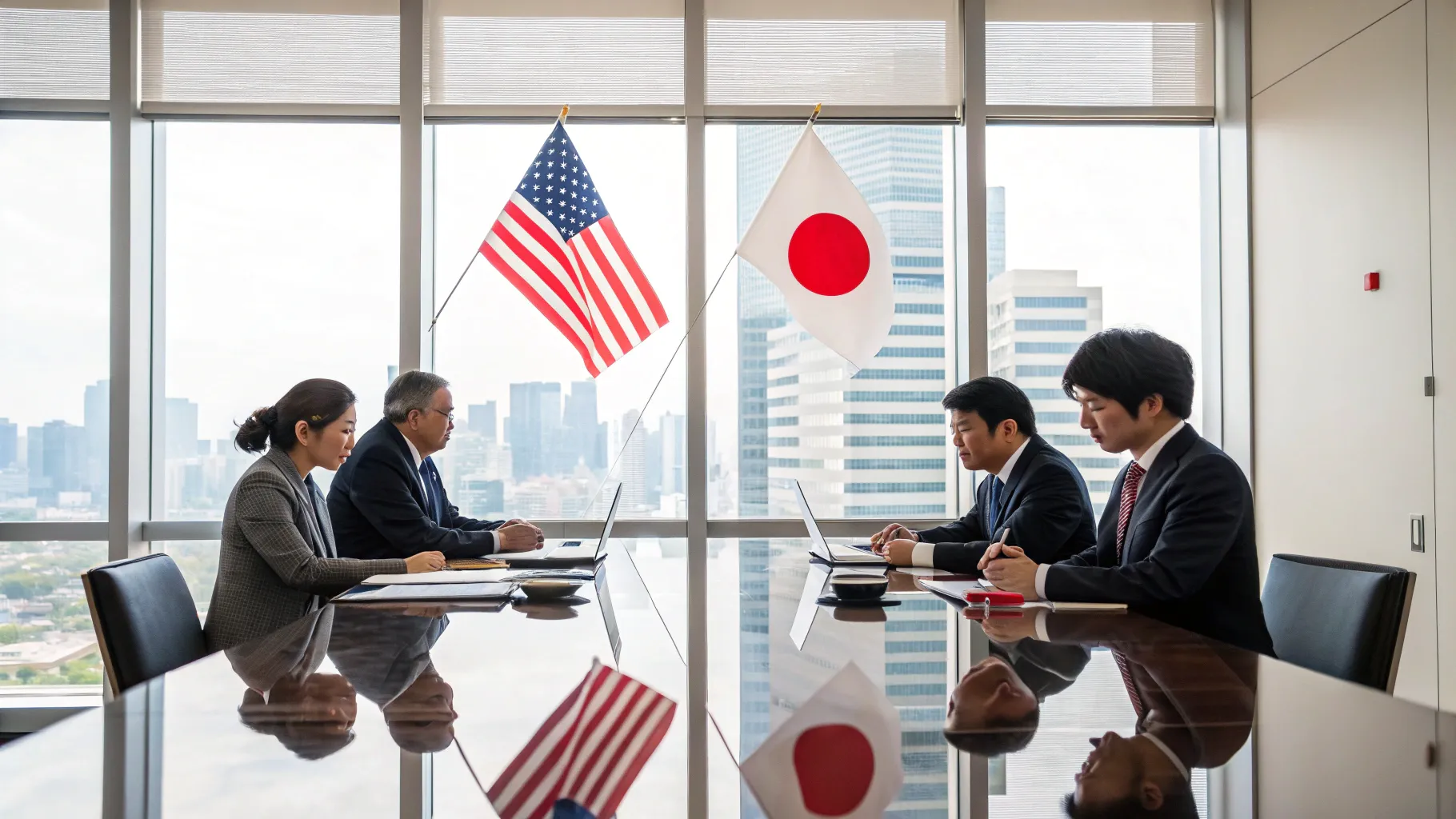
Japan and the United States have selected an initial set of projects for a planned $550 billion flow of Japanese investment into the U.S., signaling a major push to deepen economic ties. The early slate includes a project tied to SoftBank Group, according to people familiar with the process cited by Reuters. The move suggests both governments are moving from broad pledges to concrete action, with a focus on speed and scale.
Japan and the U.S. have short-listed a few projects as the first candidates under Tokyo’s planned U.S.-bound $550 billion investment, including a project involving SoftBank Group, two sources familiar with the matter told Reuters.
Background: A New Phase in Bilateral Investment
Japan is one of the largest sources of foreign investment in the United States. Its companies employ hundreds of thousands of U.S. workers and operate across autos, technology, and finance. A plan of this size would rank among the largest coordinated efforts to channel capital from Japan into U.S.-based projects.
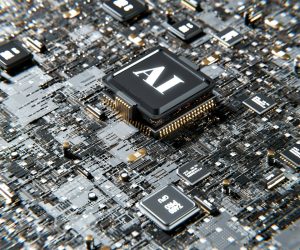
SoftBank Group, led by founder Masayoshi Son, is a key player in global technology finance. The company backs startups through its Vision Fund and holds a controlling stake in Arm, the chip designer that listed on the Nasdaq in 2023. A SoftBank-linked project in the first wave would align with its push into artificial intelligence, chips, and data infrastructure.
Details of the broader program remain limited, including the sector mix and timelines. The inclusion of a SoftBank-related effort, however, points to a likely emphasis on high-growth, tech-heavy areas alongside traditional assets.
What the Shortlist Suggests
The early candidates indicate a turn from general policy announcements to deal selection and due diligence. That shift matters for businesses planning capital needs and for state and local agencies that may seek to host projects.
- Initial focus appears to include technology, given SoftBank’s presence.
- Further rounds could cover energy, infrastructure, and manufacturing.
- Regulatory reviews in both countries will shape timing and scope.
Officials and investors often use shortlists to test feasibility, gauge local support, and assess supply chains. Final investment decisions may still hinge on tax incentives, permitting, and market conditions.
Potential Impact on Markets and Industry
A program of this magnitude could accelerate spending in areas the U.S. has prioritized, such as chipmaking, data centers, and clean energy hardware. It may also support construction jobs and demand for equipment and materials.
For markets, steady capital inflows can support financing for long-duration projects. If much of the funding targets technology, it could boost U.S. firms building AI infrastructure and related services. If the mix includes infrastructure, utilities and engineering companies could benefit.
Supply chains may also adjust. New plants or data sites often trigger orders for parts, semiconductors, and specialized machinery. This can pull more small and mid-sized suppliers into expansion plans, spreading the impact across regions.
SoftBank’s Role and Strategic Direction
SoftBank has signaled a renewed push into AI. Son has discussed building capacity around computing power and next-generation chips. A shortlisted U.S. project would fit that narrative and could link SoftBank’s investment ecosystem with American partners.
Arm’s public listing and the rebound in technology valuations have improved SoftBank’s financial flexibility. That may allow larger bets on infrastructure that supports AI training and inference, including data networks and specialized hardware.
Policy, Security, and Oversight
Large cross-border investments face national security reviews, including by the Committee on Foreign Investment in the United States (CFIUS). Projects tied to critical technologies or sensitive locations receive extra scrutiny.
On the policy front, Washington has promoted domestic chip production and grid upgrades, while Tokyo has stepped up support for advanced manufacturing and strategic technologies. Aligning these goals could speed approvals, but compliance and transparency will be closely watched.
What to Watch Next
The next milestones are likely to include public identification of the first projects, preliminary financing structures, and state-level incentive packages. Construction start dates and hiring plans would follow.
Investors will look for clarity on the sector mix, the share of private versus public funding, and how exchange rates and interest costs are handled. Communities will focus on local benefits, including jobs, training, and long-term tax bases.
The shortlisting marks the shift from promise to planning. If the first projects advance on schedule, the program could set a template for channeling large pools of Japanese capital into U.S. assets. The scale invites careful oversight, but it also offers a clear path to build capacity in areas that both countries consider strategic.

Deanna Ritchie is a managing editor at DevX. She has a degree in English Literature. She has written 2000+ articles on getting out of debt and mastering your finances. She has edited over 60,000 articles in her life. She has a passion for helping writers inspire others through their words. Deanna has also been an editor at Entrepreneur Magazine and ReadWrite.