Gas developments tied to data centers have surged in the United States, rising almost 25-fold in two years, according to Global Energy Monitor. The jump signals a rapid shift in how tech firms plan to power the next wave of cloud computing and artificial intelligence, with far-reaching implications for the grid, emissions, and energy markets.
The report points to a nationwide scramble to add firm power near new or expanding data campuses. It reflects decisions by utilities, pipeline operators, and builders to meet round-the-clock demand from server farms that cannot afford outages. The trend has set up a debate over reliability, costs, and climate goals as federal and state regulators weigh permits for new infrastructure.
Gas projects in the US pipeline explicitly linked to data centers increased by almost 25 times over the past two years, according to new research from Global Energy Monitor.
What Is Driving the Surge
Data centers require steady power to keep servers running and cooled. The growth of AI training and large language models has intensified those needs. Operators are adding capacity in clusters near fiber networks and urban hubs, where grid constraints are already tight.
Industry planners say combined-cycle gas plants and reciprocating engines offer fast build times and dispatchable power. They can support peak loads when wind and solar output is low. Advocates argue this limits the risk of curtailment and delays tied to grid interconnection queues.
Independent analysts have warned that digital loads may climb sharply this decade. The International Energy Agency projects global electricity use by data centers, AI, and crypto could roughly double by 2026, depending on policy and efficiency gains. In the US, grid operators in regions with heavy data center growth have flagged capacity shortfalls later this decade without new supply or major demand management.
Environmental Concerns and Policy Pressure
Climate groups are alarmed by the pivot to gas. They argue that locking in decades of new fossil fuel use will raise emissions and methane leakage. They also warn of stranded asset risk if states tighten carbon rules or set clean power standards.
State regulators face a balancing act. Some have approved new gas capacity with conditions on carbon capture or fuel blending trials with hydrogen, while others steer data centers toward clean power purchase agreements and on-site storage. Federal permitting reforms could speed transmission lines that would move more wind and solar to load centers, but timelines remain uncertain.
Local officials also weigh water use, land constraints, and air quality near proposed plants. Communities hosting data campuses are pressing for clear commitments on emissions intensity and energy efficiency measures, such as higher server utilization and waste-heat recovery.
How Companies Are Responding
Large tech firms have pledged to source clean electricity, but timing gaps remain. Wind and solar contracts often do not match hourly demand, especially at night or during heat waves. That mismatch pushes developers to seek firm capacity until storage scales.
- Short term: gas peakers and conversions of existing units to serve data clusters.
- Medium term: larger battery storage, demand response, and efficiency gains in cooling.
- Long term: advanced nuclear, expanded transmission, and 24/7 clean power matching.
Some utilities are pitching gas units that could later co-fire hydrogen, though technical and cost hurdles persist. Others propose hybrid plants that pair gas with batteries to shave emissions and improve flexibility.
Grid Reliability and Cost Impacts
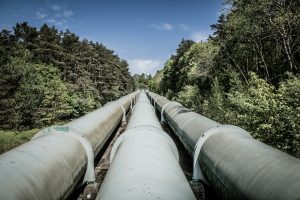
Grid operators caution that sudden, concentrated load growth can strain substations and transmission. Gas-fired capacity can be built nearer to demand and synchronized quickly, easing risk of brownouts. However, fuel price volatility can raise operating costs, and new pipelines face legal scrutiny.
Economists note that long-lived gas assets may conflict with states targeting zero-carbon grids in the 2030s and 2040s. If clean power and storage expand faster than expected, ratepayers could end up paying for underused plants. Conversely, if build-out of renewables and lines lags, insufficient firm capacity could slow data center investments.
What to Watch Next
The 25-fold increase flagged by Global Energy Monitor sets a near-term baseline for how developers expect to meet load growth. The next test is permitting speed and community response. Federal agencies are under pressure to streamline approvals for both gas projects and transmission, while states refine rules on emissions and siting.
Key signals to track include: the share of new data campuses seeking on-site generation, the pace of long-duration storage pilots, and progress on 24/7 clean energy matching. Utility resource plans due this year will show whether gas additions are a bridge or a core strategy through the 2030s.
The latest findings point to a tight race between load growth and clean power deployment. Whether gas remains a stopgap or a fixture will depend on policy choices, technology costs, and how quickly the grid expands to meet digital demand.

A seasoned technology executive with a proven record of developing and executing innovative strategies to scale high-growth SaaS platforms and enterprise solutions. As a hands-on CTO and systems architect, he combines technical excellence with visionary leadership to drive organizational success.