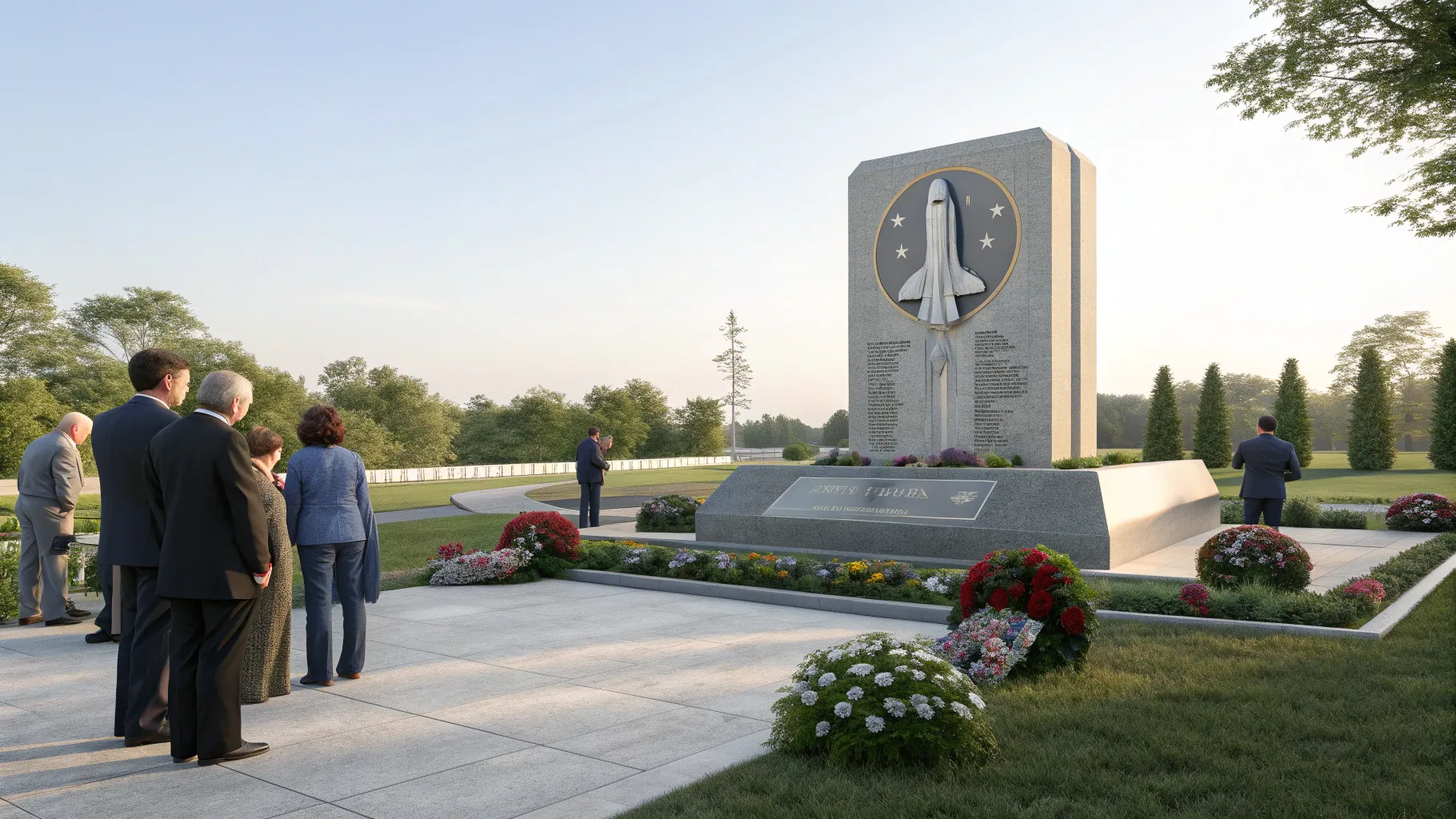
Four decades after the Space Shuttle Challenger broke apart shortly after liftoff, families of the seven astronauts gathered to honor their lives and reflect on a loss that reshaped U.S. spaceflight. The remembrance comes near the date of the 1986 disaster in Florida, when a routine mission turned to tragedy before a national audience. Relatives, former colleagues, and space officials used the moment to mourn, teach, and look ahead at how the lessons continue to guide today’s missions.
Families of the astronauts lost in the space shuttle Challenger accident are marking that tragic day 40 years ago
What Happened in 1986
On January 28, 1986, Space Shuttle Challenger broke apart 73 seconds after launch from Kennedy Space Center. All seven crew members were killed. The crew included commander Francis “Dick” Scobee; pilot Michael J. Smith; mission specialists Ronald E. McNair, Ellison S. Onizuka, and Judith A. Resnik; payload specialist Gregory B. Jarvis; and teacher-in-space Christa McAuliffe.
Investigators later found that a failure in a solid rocket booster joint allowed hot gases to escape. The cold weather that morning worsened the problem. The Rogers Commission report led to major changes in shuttle hardware, testing, and decision-making.
Families Keep Memory and Mission Alive
For many relatives, the anniversary is both personal and public. They return to memorials, speak with students, and share stories of the crew’s drive to explore. Some helped create education programs after 1986 that put students at the center of hands-on science. The best known is Challenger Center, a network of learning sites that brings space simulations into classrooms and museums.
These efforts are not only about grief. They carry forward the crew’s belief that discovery should reach every classroom. Educators say those programs help students see themselves as problem-solvers and teammates, not just test takers.
Safety Reforms That Still Shape Spaceflight
The Challenger loss forced a deep review of how NASA made decisions. The agency strengthened engineering oversight and added independent voices in risk reviews. It also encouraged dissenting opinions and clearer communication about hazards.
Those changes influenced later shuttle flights and today’s crewed vehicles. NASA’s annual Day of Remembrance, held each January, honors Challenger alongside Apollo 1 and Columbia. The message is consistent: safety must be the first priority, no matter the schedule or pressure.
- The Rogers Commission cited a booster seal failure worsened by cold temperatures.
- NASA improved materials, testing, and flight readiness reviews.
- Independent safety panels gained a stronger role.
A Nation That Watched in Real Time
Millions watched the launch live, including schoolchildren. McAuliffe, a high school teacher, planned to teach lessons from orbit. The live broadcast turned the crew into household names and made the loss a shared national event. Many who saw it remember exactly where they were.
Public historians say the event changed how the country talks about risk in exploration. It also raised questions about how agencies weigh public expectations against technical caution.
The Legacy in Today’s Space Effort
As NASA and private companies plan more human flights, Challenger’s lessons are present in test plans, schedules, and crew training. New spacecraft undergo rigorous reviews, and launch decisions get more scrutiny when weather or hardware concerns arise.
Space policy experts argue that the most durable change is cultural. Leaders are expected to invite hard questions and avoid rushing to meet public deadlines. That culture, they say, was paid for at a high cost.
What Families and Officials Want the Public to Remember
Relatives often emphasize the crew’s lives, not only the accident. They talk about engineers who mentored others, scientists who inspired kids, and a teacher who wanted to bring space into the classroom. NASA officials echo that focus, highlighting the values of teamwork, curiosity, and care.
Many memorial events pair wreath-laying with student activities. The goal is to connect remembrance with action. Students leave with a challenge of their own: ask questions, test ideas, and speak up when something seems wrong.
Forty years on, the grief remains, but so does purpose. The families and the space community are united in a clear message: keep learning, keep improving, and never treat risk lightly. As human spaceflight widens to the Moon and beyond Earth orbit, the public can expect more attention on testing, weather constraints, and open debate over risk. The next chapter in exploration will be judged not only by where crews fly, but by how carefully they get there—and how faithfully they carry forward the lessons of Challenger.

A seasoned technology executive with a proven record of developing and executing innovative strategies to scale high-growth SaaS platforms and enterprise solutions. As a hands-on CTO and systems architect, he combines technical excellence with visionary leadership to drive organizational success.