Demand for chips that run artificial intelligence is surging, and two companies sit at the center of it. Nvidia and AMD supply the GPUs that train and serve large language models used across tech, finance, and healthcare. Their hardware now anchors massive data center projects rolling out across North America, Europe, and Asia.
The stakes are clear. Cloud providers, social platforms, and startups are racing to add compute. Energy planners and landlords are adjusting to a new wave of power-hungry buildings. As one industry summary put it:
“Nvidia and AMD are leaders in the GPUs, which power large language models and have skyrocketed in demand with the data center buildout.”
This boom follows years of research in neural networks and a sudden rise in consumer AI tools. It is reshaping budgets, supply chains, and the direction of chip design.
The Race For AI Compute
Nvidia leads sales of AI accelerators and has set the pace with its H100 and H200 data center GPUs. Its platform combines hardware with CUDA software, networking, and developer tools. That package helps customers deploy at scale and shorten time to production.
AMD is pressing its case with the MI300 series, backed by its ROCm software stack and high-bandwidth memory. The company says it can match key training and inference tasks while offering more vendor choice for buyers. Major cloud providers have started to add AMD-based instances to widen options and reduce reliance on one supplier.
Both firms are refreshing products faster than in past cycles. Customers now plan purchases over quarters, not years, as model sizes grow and inference traffic rises.
Data Centers Strain Power And Real Estate
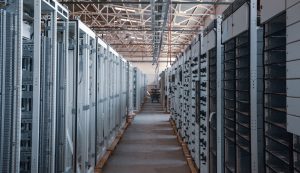
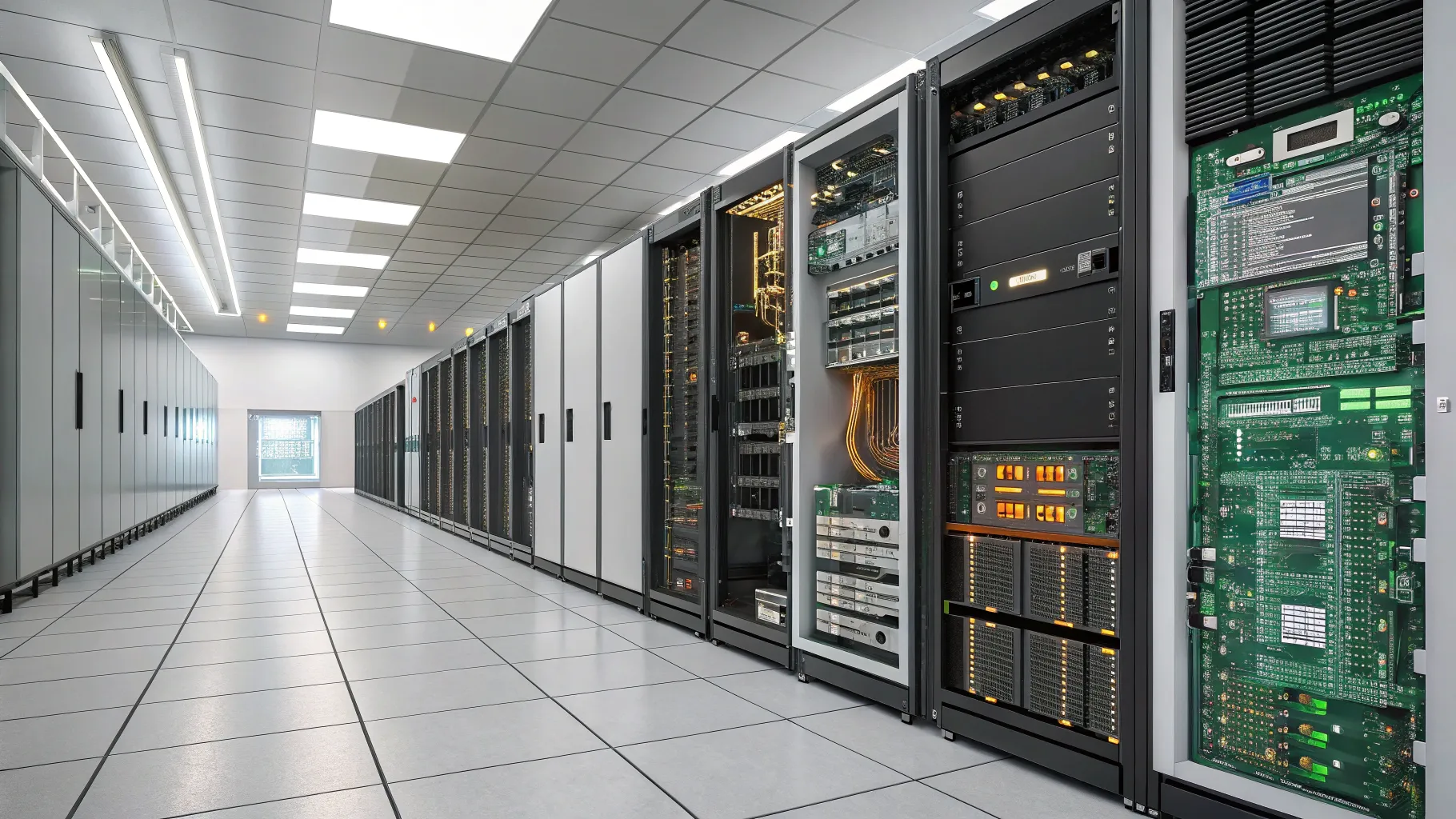
The rush to add AI capacity is reshaping the data center map. Builders are seeking sites with grid access, water for cooling, and favorable zoning. Communities near major metros have become targets for new projects.
Power draw is a growing concern. AI racks run hot and dense, pushing cooling systems to their limits. Utilities are fielding large requests that can take years to meet. Some operators are adopting liquid cooling and considering on-site generation to keep projects on track.
Software Ecosystems Steer Adoption
Hardware wins deals, but software keeps them. Nvidia’s CUDA and its large library of AI frameworks make it the default choice for many developers. Pretrained models, reference designs, and support shorten deployment time.
AMD is investing to close the gap. ROCm has seen more tools, model support, and optimizations for popular frameworks. Several open-source projects now provide parity paths for training and inference on AMD GPUs. Buyers say they want a second source to control costs and reduce supply risk.
Supply Chain And Competition
The two companies depend on advanced manufacturing and packaging, including high-bandwidth memory and advanced chip stacking. Foundries and memory suppliers are scaling output, yet bottlenecks remain. Lead times have improved from the tightest points in 2023, but delivery still shapes customer rollout plans.
Rivals are also in the mix. Custom accelerators from big cloud providers target specific workloads. Traditional CPU makers add AI features to handle lighter inference at the edge. Still, most large training jobs continue to rely on top-tier GPUs due to performance and ecosystem support.
What The Numbers Mean For Buyers
- Budgets are shifting toward AI infrastructure, networking, and power upgrades.
- Total cost of ownership now depends on energy, cooling, and developer efficiency.
- Multi-vendor strategies are gaining favor to manage price and supply risk.
Outlook: Capacity, Cost, And Choice
Analysts expect continued spending on AI compute as more services move from pilots to production. The focus is moving from training alone to faster, cheaper inference at scale. That shift will test pricing, energy use, and software maturity.
Nvidia aims to defend its position with faster chips, tighter software integration, and network advances. AMD seeks share with competitive performance, better ROCm support, and availability. Buyers will weigh speed against cost and power limits.
The next phase will be shaped by three questions. Can suppliers deliver enough GPUs on time. Can operators secure power and cooling at acceptable cost. And will software portability give customers real choice. The answers will determine who leads the next wave of AI buildouts and how fast new products reach users.

Deanna Ritchie is a managing editor at DevX. She has a degree in English Literature. She has written 2000+ articles on getting out of debt and mastering your finances. She has edited over 60,000 articles in her life. She has a passion for helping writers inspire others through their words. Deanna has also been an editor at Entrepreneur Magazine and ReadWrite.