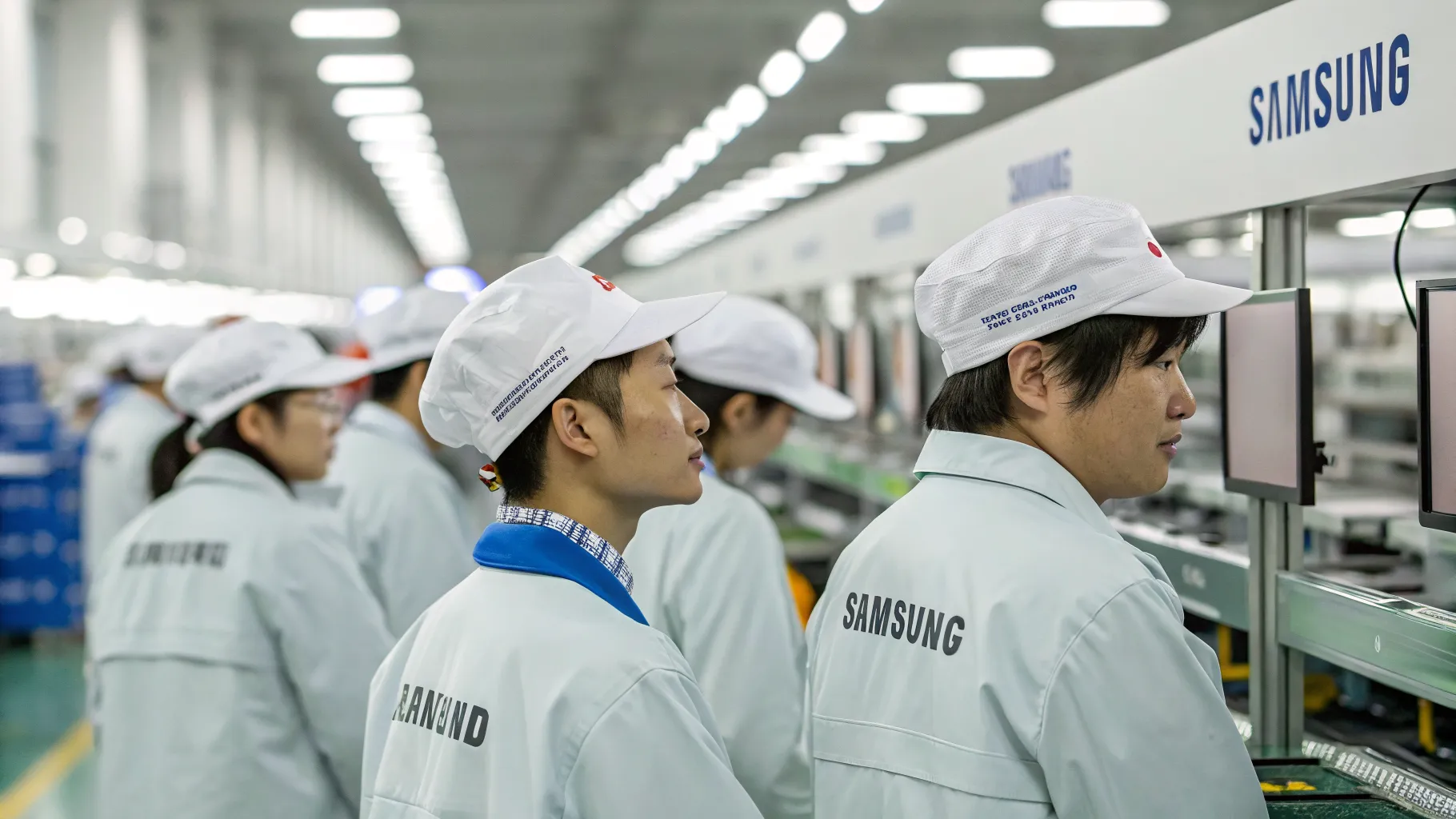
Samsung Electronics’ unionized workers in South Korea voted to authorize a strike on Wednesday, escalating a dispute over bonuses and raising the risk of production delays at the world’s largest memory chip maker. The move adds pressure during a critical period for the semiconductor industry, as demand for advanced memory rises with artificial intelligence and data center growth.
Union leaders said the vote gives them the option to call a walkout if talks with management do not yield an agreement. The decision follows weeks of tension over pay and incentives, and it places attention on a company seen as a bellwether for global tech supply chains.
What the Vote Means
Samsung Electronics’ unionised workers in South Korea voted on Wednesday to authorise a strike, deepening a labour dispute over bonuses and raising the risk of production disruptions at the world’s biggest memory chipmaker.
A strike authorization does not guarantee a strike. It signals that members back stronger action if negotiations stall. It also increases leverage at the bargaining table, as managers must weigh the risks of a halt at fabrication plants and packaging lines.
For Samsung, even short disruptions can ripple through shipments of DRAM and NAND memory. These chips are essential for smartphones, servers, and graphics systems used in AI training and inference.
Background and Labor Tensions
Samsung’s relationship with organized labor in South Korea has shifted in recent years. Worker groups have sought more say over pay, scheduling, and safety during volatile industry cycles. Bonus formulas, often tied to operating profits and divisional results, have been a flashpoint when market conditions swing sharply.
Memory prices fell in 2022 and early 2023 as inventories piled up, then rebounded as AI spending surged. Workers argue that incentives should reflect both the current upswing and the sacrifices made during downturns. Management has tended to protect cash during slumps and move gradually on pay as markets improve.
High Stakes for a Tight Supply Chain
Any disruption at a top memory producer can tighten already delicate supply lines. AI servers need high-performance memory in large volumes. Smartphone makers and PC brands also plan for seasonal launches. A timing mismatch can force production reshuffles and higher costs across the sector.
- Short strikes could delay near-term shipments, then create a catch-up surge.
- Extended actions risk contract penalties and order shifts to competitors.
- Customers may increase buffer inventories, lifting prices in the spot market.
Suppliers and equipment makers closely monitor labor signals. Even without a strike, contingency planning can add expense and slow factory optimization.
Company and Worker Positions
Workers are seeking changes to bonus calculations and clarity on performance pay. They also want progress on workload and scheduling policies that affect overtime and time off. They say a fairer system would align rewards with the recent recovery in demand.
Samsung typically aims to secure stability in its fabs, where tight process controls are vital. The company has emphasized quality, yield, and on-time delivery as core priorities. In wage talks, large manufacturers often highlight global competition and capital needs for new facilities and research.
Broader Industry Implications
The chip sector is in a new investment cycle. High Bandwidth Memory and advanced node technologies require large capital spending and specialized skills. Labor peace helps keep projects on schedule. Uncertainty, even temporary, may influence how customers allocate orders and how investors view near-term earnings.
If bonuses and pay frameworks become more generous across major chipmakers, costs could rise. Companies may seek to offset this with automation, process efficiency, or price increases. The balance between competitiveness and worker demands will shape margins during the next phase of AI-driven growth.
What to Watch Next
Negotiations in the coming days will determine whether the authorization leads to a strike. Signals to track include planned work stoppage dates, any partial slowdowns, and revised guidance from the company or key customers. Market reactions in memory pricing can also indicate whether buyers expect supply tightness.
For now, the vote puts management and labor on a clock. Both sides have incentives to reach an agreement that preserves production while addressing worker concerns. The outcome will influence not only Samsung’s output, but also how the industry manages labor issues during a crucial build-out of AI infrastructure.
The immediate takeaway is clear: a credible strike threat at a major chip producer raises near-term risk for supply and pricing. If talks yield a compromise on bonuses and pay structure, disruption can be avoided. If not, even brief stoppages could echo across global tech manufacturing in the months ahead.

A seasoned technology executive with a proven record of developing and executing innovative strategies to scale high-growth SaaS platforms and enterprise solutions. As a hands-on CTO and systems architect, he combines technical excellence with visionary leadership to drive organizational success.