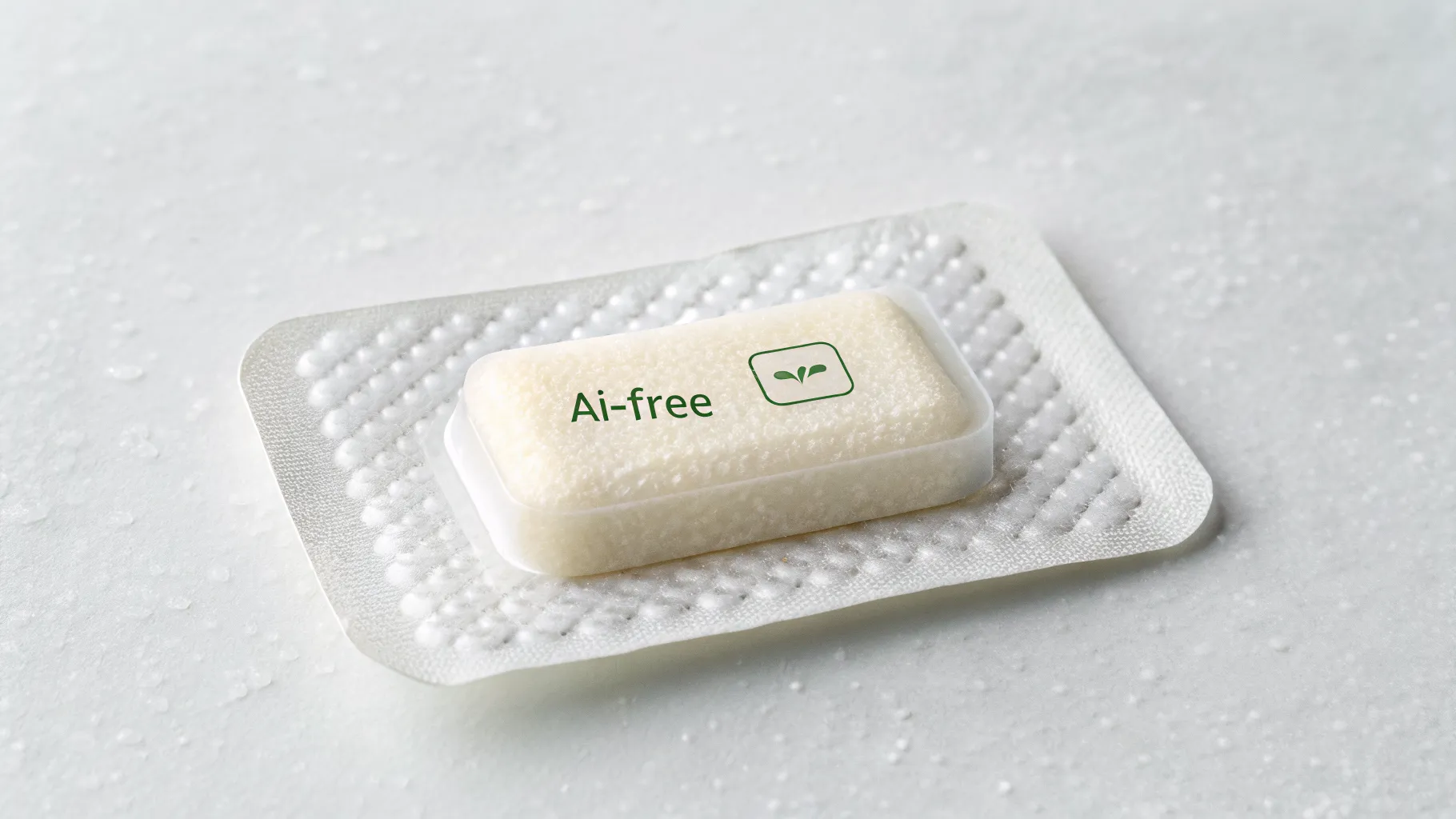
A rising backlash against automated content is fueling efforts to create a single “AI-free” logo for products and media. Advocates say a clear mark would help audiences and buyers identify work made without generative systems. The push is gaining momentum as publishers, brands, and artists debate how to separate human-made work from machine output.
Organizers describe a fast-moving campaign with global ambitions and a simple goal: give consumers a trusted signal. Talks are happening across design circles, advertising, and newsrooms. The idea is drawing interest after a year of rapid deployment of synthetic text, images, video, and audio.
Why Calls For A Label Are Growing
Creators and some companies fear erosion of trust. They worry that machine-made content crowds out human labor and confuses audiences. That has led to proposals for an easily recognized mark on packaging, websites, and credits.
The backlash to the growing use of the tech has led to an explosion in attempts to come up with “AI-Free” logo that could be used globally.
Supporters compare the concept to “organic,” “fair trade,” or “non-GMO” seals. They argue a simple visual cue could guide purchasing, licensing, and media choices. Skeptics warn that without clear rules and audits, any mark could mislead or invite legal risk.
Defining “AI-Free” Proves Complicated
The core challenge is scope. Many creative and office tools now include machine features. Even a small assist, like noise removal or grammar suggestions, may raise questions. Stakeholders are debating whether “AI-free” should mean no model involvement at any step, or only no generative content in the final product.
Standards bodies and industry groups have experience in claims like “recycled” or “cruelty-free.” But this debate is newer and more technical. Rules would need to cover data sources, tools used, and disclosures. They would also need a way to verify claims across long chains of vendors.
Verification, Watermarks, and Provenance
Proponents point to content provenance projects. The Coalition for Content Provenance and Authenticity (C2PA) has tools to attach tamper-evident metadata. It can record how a file was created and edited. Watermarking methods for AI images and audio also exist, though they can be uneven and removed.
A credible “AI-free” mark would likely need a paper trail. That could include declarations by creators, logs from production tools, and random audits. Without that, enforcement would be weak and disputes likely.
- Set a clear definition of “AI-free.”
- Require documentation across the production process.
- Use technical provenance where possible.
- Establish audits and penalties for false claims.
Industry Reaction Splits
Some publishers and agencies say a label could restore trust with readers and clients. They see value in promoting human craft. Independent artists and photographers also support it, citing lost commissions to automated tools.
Others argue a binary badge does not fit how work gets made. Many teams mix human skill with machine assists. They worry a strict label could punish normal editing or accessibility tools. A middle path could include tiered marks, such as “human-led” or “no generative content.”
Policy Pressure and Market Signals
Lawmakers are moving on transparency. The European Union’s AI Act requires clear notices for certain synthetic media. Consumer regulators in the United States have warned companies about broad or false “AI” claims. These steps raise the stakes for any global logo effort.
Market demand will decide whether a seal spreads. If retailers, ad buyers, or streaming platforms request it, adoption could be fast. If enforcement is weak, it may fade as a marketing slogan.
What To Watch Next
Standards groups may propose draft definitions and audit schemes in the coming months. Toolmakers could add provenance by default, making verification easier. Newsrooms and agencies may pilot labels in limited settings to test audience response.
Consumers will play a role. If people choose marked work, the signal grows stronger. If they ignore it, creators may drop the effort.
The campaign for a global “AI-free” logo highlights a wider trust problem in media and commerce. Clear definitions and credible verification will decide whether the idea helps or confuses. For now, organizers face a hard design challenge and a moving target. The next phase will turn on standards, audits, and whether major buyers demand the mark.

Rashan is a seasoned technology journalist and visionary leader serving as the Editor-in-Chief of DevX.com, a leading online publication focused on software development, programming languages, and emerging technologies. With his deep expertise in the tech industry and her passion for empowering developers, Rashan has transformed DevX.com into a vibrant hub of knowledge and innovation. Reach out to Rashan at [email protected]