
MVCC Explained: How Databases Handle Concurrency
You do not really understand a database until you have watched it fail under load. The first time I saw it, we had a clean schema, well-indexed tables, and a


You do not really understand a database until you have watched it fail under load. The first time I saw it, we had a clean schema, well-indexed tables, and a
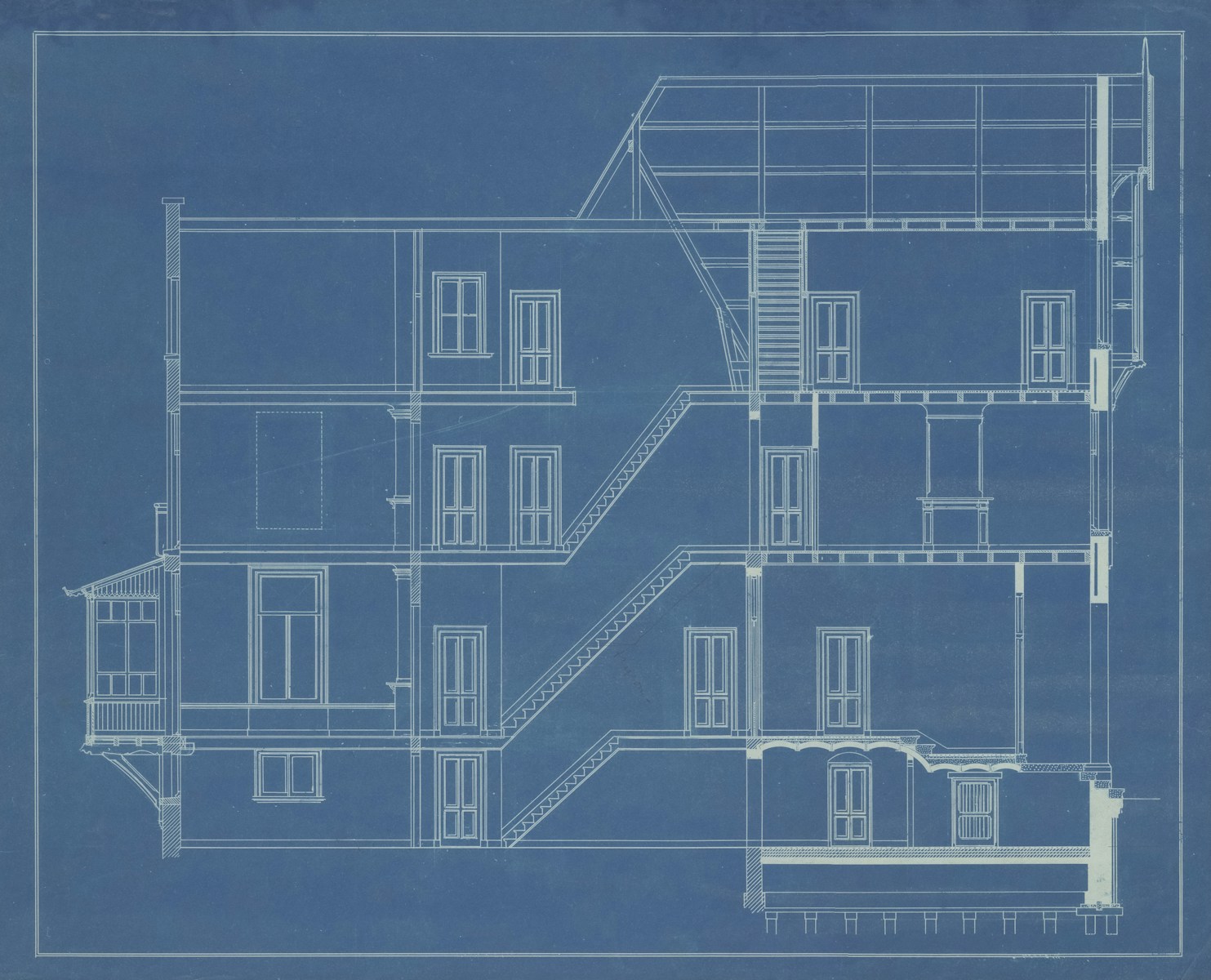
You have probably seen both movies. In one, Kubernetes becomes a force multiplier: teams ship faster, outages get boring, and platform work pays down compounding interest. In the other, the

Resilience rarely fails loudly at first. It erodes in small architectural decisions that seemed reasonable at the time. A shortcut in retry logic. A shared database to “move faster.” An

You usually do not notice it on day one. The model works. Latency is acceptable. The demo lands. Six months later, inference costs have tripled, incident reviews mention “mysterious model

You can usually tell when a system has crossed the threshold from scrappy to scaled. The codebase gets larger, the org chart fills out, and suddenly every problem seems to

You have seen the moment when a platform tips from enabling teams to slowing them down. Every change requires coordination across five services. Incident response turns into archeology. New engineers

You do not notice hot partitions when your system is small. Everything is fast. Latency charts are boring. Your autoscaling group barely wakes up. Then traffic grows. Suddenly, one shard
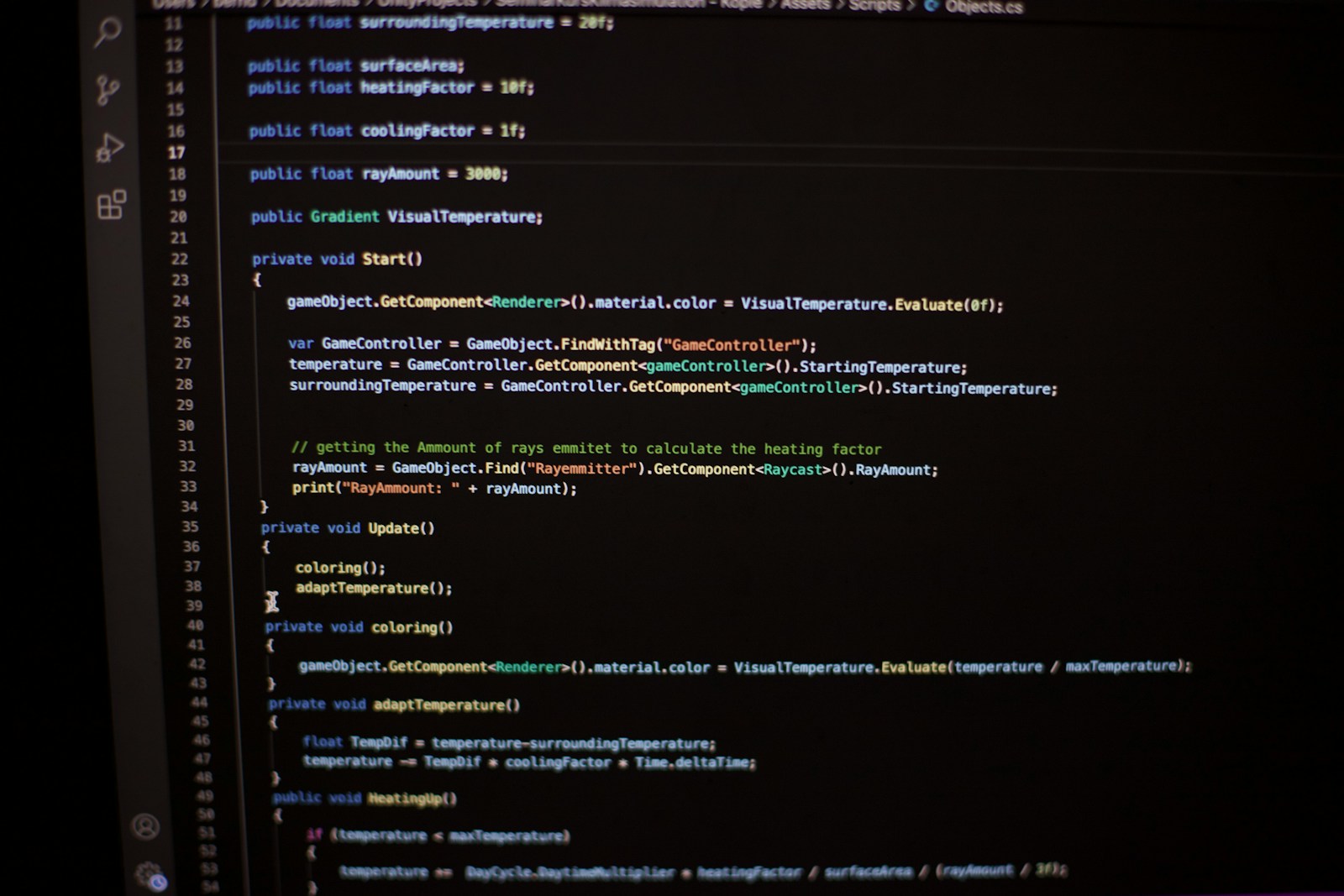
You probably have a scar story. A downstream service crashes at 2 a.m. because a “harmless” field was renamed. A data warehouse job silently drops a column, and no one

You shipped the model. Offline benchmarks looked strong. The demo impressed leadership. Then production traffic hit and latency spiked, GPU utilization hovered at 30 percent, and your carefully tuned pipeline