
API-Only AI: The Hidden Long-Term Risks
You shipped the feature in two weeks. A clean abstraction layer, a single HTTPS call to a frontier model, and suddenly your product can summarize, classify, generate, and reason. No


You shipped the feature in two weeks. A clean abstraction layer, a single HTTPS call to a frontier model, and suddenly your product can summarize, classify, generate, and reason. No

Your deployment pipeline probably feels like the safest part of your system. It is automated, versioned, peer reviewed, and covered in green checkmarks. But if you have ever chased a
You can usually tell within 30 minutes whether AI agents will scale or devolve into chaos. The scalable ones feel boring in the best way: predictable loops, explicit state, sharp

You have probably sat through an AI architecture review where everything looked clean on the whiteboard. The data pipeline was “robust.” The model was “state of the art.” The monitoring

You do not notice adaptive concurrency control when it works. You notice it at 2:17 a.m., when your API latency jumps from 80 ms to 8 seconds, CPU is pegged,
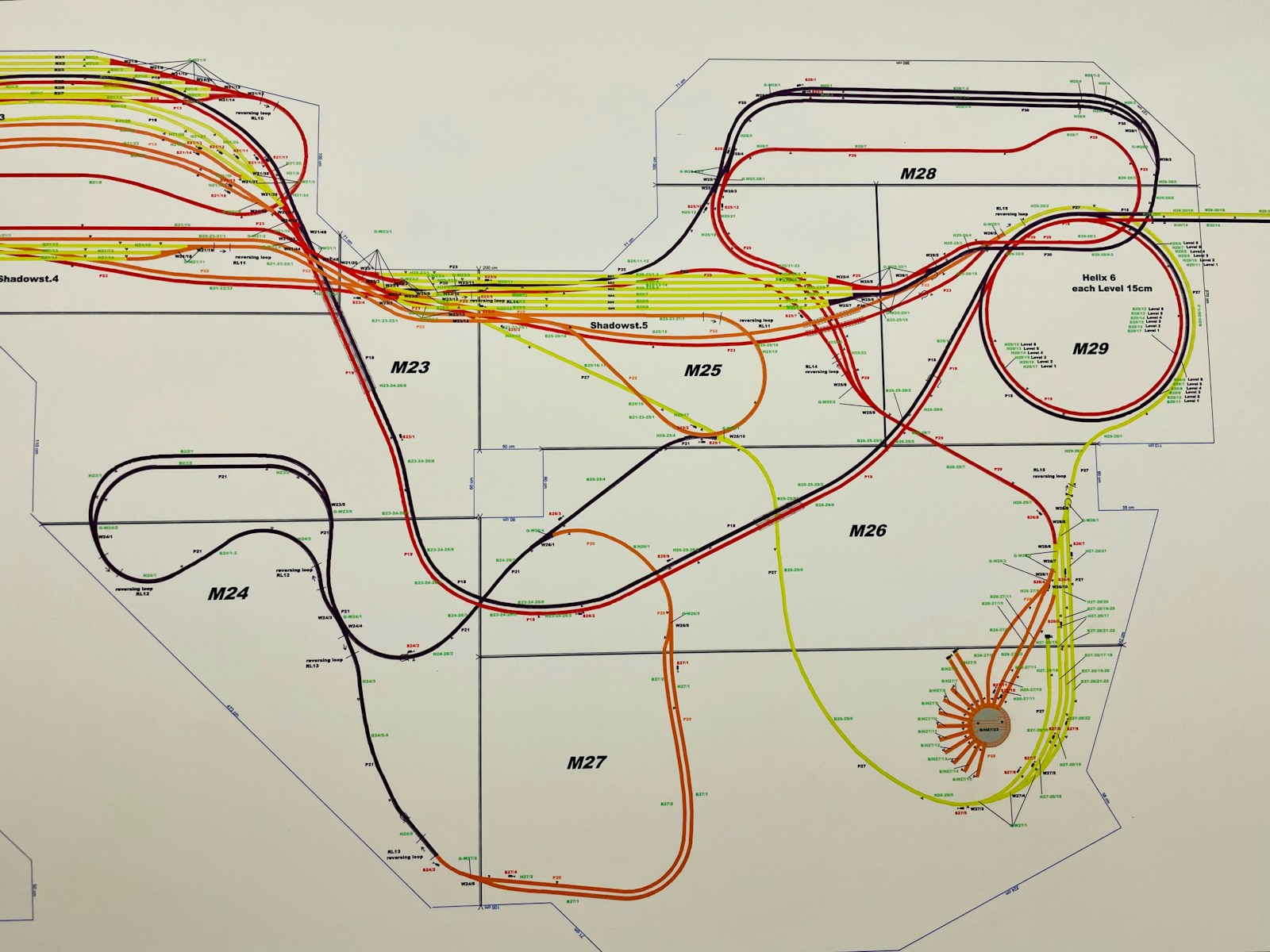
Architecture rarely collapses all at once. It drifts. One quarter, you add a service to move faster. Next quarter, you split a database for scale. A year later, onboarding a

You do not lose reliability in event-driven systems because Kafka goes down. You lose it because of a handful of early decisions that seemed harmless at the time. A topic

You do not feel latency at the median. Your users do not churn at p50. They churn when your system occasionally freezes, spikes, or stalls. In large-scale distributed systems, those

You usually feel this architectural choice when a system stops behaving in a neat, linear way. A customer clicks Buy, and suddenly, inventory, payments, fraud detection, email, shipping, analytics, and