React 19.3 shipped on September 9, 2026, moving two long-running experimental features to stable: the <ViewTransition> component and Fragment Refs. Neither requires a rewrite. <ViewTransition> replaces the animation workarounds developers have hand-rolled for route and state changes. Fragment Refs replace the wrapper <div> developers added to attach a ref to a group of sibling elements. The release also ships a new browser() escape hatch, Trusted Types support, and direct Context rendering from Server Components.
What React 19.3 Actually Changes
React 19.3 is a minor version, not a rewrite. It adds no breaking changes, which is why it lands as 19.3 instead of React 20. The two headline features, <ViewTransition> and Fragment Refs, spent months in React’s experimental channel before this release confirmed their APIs as stable. The View Transition work alone touched 56 pull requests across the core team; Fragment Refs took 27. That volume reflects the edge-case work, Suspense coordination, hydration, and Strict Mode needed to ship both features without an experimental flag.
Speculation that React 20 is imminent resurfaces with nearly every release. React follows semantic versioning, so a major version bump requires a breaking change, and 19.3 doesn’t introduce one. Stable features landing inside a point release is standard practice for the React team, not a signal that a major version is imminent.
How View Transitions Work
The <ViewTransition> component wraps an element and animates it as it enters, exits, moves, or resizes, using the browser’s native View Transition API rather than a JavaScript animation library. It only animates updates marked as transitions, throughstartTransition, a Suspense reveal, oruseDeferredValue, so a plain state update won’t trigger an unexpected animation. A new addTransitionType function lets a component tag why a transition happened (for example, next versus previous on a slideshow) so the same component can animate differently depending on the cause. The official React 19.3 release notes document the full event API, including onEnter, onExit, onShare, and onUpdate props for hooking into each phase.
Suspense integration is the detail that matters most in practice. <ViewTransition> can animate the swap from a loading fallback to real content, and it coordinates with image and font loading so an animation doesn’t fire before the assets it’s revealing are ready. That removes a specific bug class: a transition that appears finished before the content underneath has loaded.
Fragment Refs Remove a Common Workaround
Before 19.3, attaching a ref to a group of sibling elements meant wrapping them in an extra <div> solely to give the ref somewhere to attach. Fragment Refs let a ref attach directly to a <Fragment>, returning a FragmentInstance with DOM-adjacent methods: focus, focusLast, blur, addEventListener, observeUsing for IntersectionObserver andResizeObserver, and getClientRects for measurement. The component tree stays flat, and CSS selectors that depended on sibling relationships stop breaking because of a wrapper div that was never meant to carry styling.
The practical use case is any component that renders a list of siblings a parent needs to measure, focus, or observe as a group: a set of headings, a row of list items, or a group of form fields. A parent can call fragmentRef.current.focus() or attach a single ResizeObserver to the whole group without touching each child’s own ref.
Smaller but Useful Additions
React DOM’s new browser() function gives components a way to opt out of server rendering. Wrapped inuse(), it suspends on the server (showing a fallback in the initial HTML) and resolves immediately on the client, replacing the manual “mounted” state pattern developers have used to guard localStorage calls or timezone detection.
Trusted Types support fixes a security gap: React previously coerced every value passed to the DOM into a string, which broke TrustedHTML, TrustedScript TrustedScriptURL validation under a Content-Security-Policy: require-trusted-types-for 'script' policy. Those objects now pass through intact. Two smaller changes round out the release: Server Components can render Context directly from a 'use client' module without a separate Provider wrapper, and transitions now render independently, so one slow transition no longer blocks unrelated ones from completing.
What This Means If You’re Upgrading
Because 19.3 introduces no breaking changes, upgrading from 19.x is low risk for most codebases; run your existing test suite and treat it like any other patch-level dependency bump. The bigger decision is whether to adopt <ViewTransition> and Fragment Refs now or wait. Both exited the experimental channel because their APIs are considered stable, but adopting them still means auditing every place your app currently fakes these behaviors with custom animation libraries or wrapper divs.
Teams without spare frontend capacity to run that audit sometimes bring in outside help. DevX’s roundup of top React development companies is a reasonable starting point if you’re weighing an agency to handle a View Transition or Fragment Ref migration alongside your existing roadmap.
Common Mistakes to Avoid
The most common mistake is wrapping an element in <ViewTransition> and expecting it to animate on every state change. It only animates updates wrapped instartTransition, a Suspense reveal, oruseDeferredValue; a direct setState call outside a transition won’t trigger it. The second is assuming Fragment Refs replace all wrapper divs. A FragmentInstance provides DOM-adjacent methods, not full DOM node behavior, so a component that genuinely needs a styleable container still needs a real element. Test View Transition animations in a browser that supports the underlying View Transition API; the component degrades gracefully without it, but the animation itself won’t run.
Key Takeaways
- React 19.3 shipped September 9, 2026, as a minor, non-breaking release; there is no React 20 in this cycle.
<ViewTransition>and Fragment Refs both moved from experimental to stable after 56 and 27 pull requests, respectively.<ViewTransition>animates enter, exit, move, and resize transitions using the browser’s native View Transition API, and coordinates with Suspense.- Fragment Refs attach a ref directly to a
<Fragment>, removing the need for a wrapper div around sibling elements. - Trusted Types objects now pass through to the DOM intact, closing a gap for teams enforcing strict Content-Security-Policy rules.
Frequently Asked Questions About React 19.3
What is new in React 19.3?
React 19.3 stabilizes two previously experimental features: the <ViewTransition> component for animating UI changes with the browser’s View Transition API, and Fragment Refs for attaching DOM-adjacent behavior to groups of sibling elements. It also adds a browser() escape hatch, Trusted Types support, and direct Context rendering from Server Components.
Does upgrading to React 19.3 break existing code?
No. React 19.3 is a minor version with no breaking changes. Existing 19.x applications can upgrade without code changes required, though adopting the new features is optional and separate from the upgrade itself.
Does the ViewTransition component work in every browser?
<ViewTransition> relies on the browser’s native View Transition API. In browsers that don’t support it, the component skips the animation without breaking the underlying UI update.
What problem do Fragment Refs actually solve?
They remove the need to wrap sibling elements in an extra <div> solely to attach a ref. A ref on a <Fragment> now returns a FragmentInstance with methods for focus, event listeners, and observers like IntersectionObserver.
Is React 20 coming after 19.3?
Not based on this release. React uses semantic versioning, and a major version requires a breaking change. Recurring “React 20” speculation has resurfaced around past minor releases without materializing.
How do I install React 19.3?
Update your react and react-dom packages to version 19.3.0 or later through your existing package manager, the same way you’d apply any other patch or minor version update.
Final Thoughts
React 19.3 is worth adopting on schedule rather than waiting, since it carries no breaking changes and both headline features solve problems teams are already working around manually. Start by identifying where your codebase fakes animated transitions or wraps siblings in throwaway divs, then migrate those specific spots first instead of a wholesale rewrite. Watch React’s blog for how quickly <ViewTransition> adoption shows up in major frameworks like Next.js and Remix.
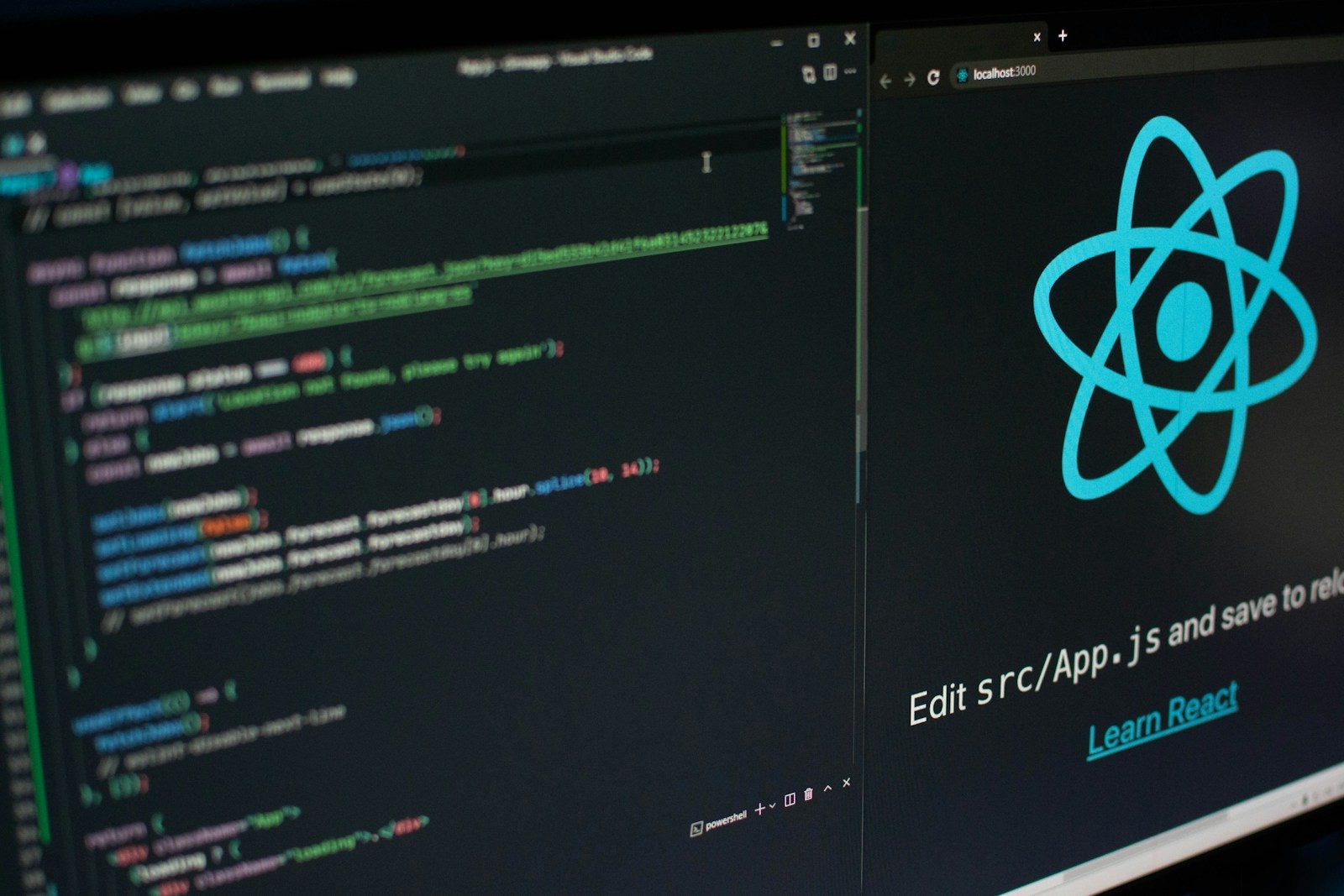
Photo by Lautaro Andreani: Unsplash

Noah Nguyen is a multi-talented developer who brings a unique perspective to his craft. Initially a creative writing professor, he turned to Dev work for the ability to work remotely. He now lives in Seattle, spending time hiking and drinking craft beer with his fiancee.