Learning about the development of crypto exchanges is important for software engineers, blockchain developers, and financial technologists who want to develop new-generation trading interfaces, investment robots, and blockchain integration products.
Crypto exchanges have undergone an amazing transformation. From mere exchanges, they have become complete financial platforms. Now, in 2025, these platforms are advanced centers where security measures, regulatory requirements, and innovative technology meet.
The Revolution of the Hybrid Exchange
The exchanges are experiencing a paradigm shift, and they merge the ideal components of centralized and decentralized paradigms. Hybrid exchanges currently provide the speed of execution that centralized exchanges (CEXs) have, without giving up the self-custody benefits of decentralized exchanges (DEXs).
An example of infrastructure improvement is BNB Chain Fusion by Binance, which consolidates the Beacon Chain and Smart Chain into a single chain. While this improves network efficiency and reduces bridging risk, it does not introduce a hybrid exchange model or self-custody for trading.
This novelty is especially useful for developers who create automated trading systems where speed and security are important. It enables previously unattainable cross-chain arbitrage opportunities and adaptive portfolio management suites.
Trading Infrastructure is transformed with AI / Machine Learning
Artificial intelligence has been thoroughly incorporated into exchange activity and transformed various spheres of digital asset trading. Advanced machine learning algorithms are also driving sophisticated fraud detection machines.
In mid-2024, Kraken was exploited in a bug that cost it millions of dollars, allegedly discovered by a white-hat researcher. Although AI is finding application in fraud detection, there is no publicly available information that it has been able to stop this or any other incident.
The AI application has also dramatically increased in terms of liquidity management, whereby platforms such as Crypto.com have improved trading efficiency.
New Era of Regulatory Compliance
The crypto regulation has come of age, and exchanges are innovating with smarter and more creative compliance solutions to balance user freedom, and legal obligations are improving. The KYC verification times are getting better, though human oversight might still be required, and it is yet to become fully consistent across all the jurisdictions.
Significant innovation is the next Ethereum roadmap, the so-called Purge, which is planned to minimize the blockchain state size and improve the scalability. It is not designed for regulatory compliance or smart contract-based KYC. The innovations also pose challenges and opportunities to developers, as they must approach privacy and comply with new strategies.
APIs Turn Exchanges into Development Platforms
The proliferation of exchange API services has succeeded in turning trading platforms into development environments. The current institutional-quality SDKs provide algorithmic traders with sub-millisecond round-trip execution time, and Web3 integrations offer the prospect of building autonomous trading agents capable of trading on a wide variety of platforms.
Social trading capabilities have also advanced, and developers are able to develop systems capable of automatically analyzing and copying the trading strategies of others. The outcome of this API revolution is that an exchange can no longer be viewed as a venue to trade but as a venue to build financial innovation.
When deciding which exchanges to integrate or construct on top of, the CryptoManiaks exchange list provides an excellent, constantly up-to-date reference listing exchanges with comprehensive data on API support, security capabilities, and token status, empowering developers with knowledge.
The New Generation Security Protocols
Safety is one of the top priorities in the trade industry, which stimulates the consistent development of defensive measures. Multi-party computation (MPC) can be used to distribute key management in a way that no single point of failure is a weakness, and zero-knowledge proofs can be used to prove identity without revealing any personal information.
Insurance mechanisms have also been reinforced, and the key exchanges have large pools of coverage to compensate for any possible breach. These advances, taken together, comprise a more secure ecosystem that supports high-value financial applications and institutionally adopted use.
Interoperating in the Modern Exchange Environment
To developers and traders considering the plethora of accessible platforms, curated resources offer a helpful hint in estimating security measures, fee schedules, and available features. These detailed comparisons assist players in the market to make wise choices in the rapidly growing ecosystem.
What Exchange Technologies Hold in Store
The crypto exchange industry is bound to change as new developments transform the sector. With the proposed entrance of high-throughput blockchain solutions, we have just started realizing the possibilities of speed and scaling in the trade of digital assets. By staying ahead of these changes, developers can build the next generation of financial tools and services that will drive crypto forward.
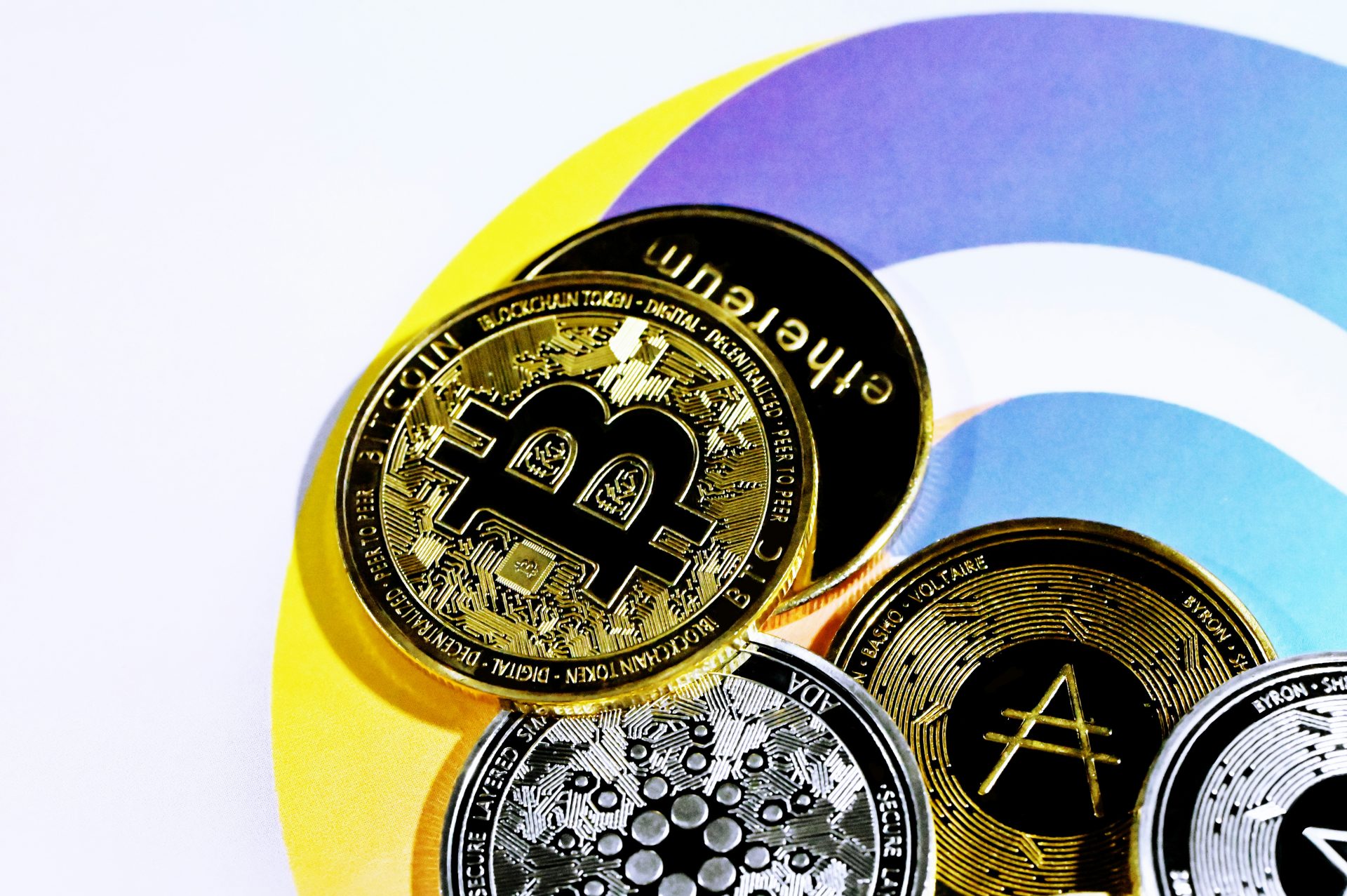
Photo by Traxer; Unsplash

Rashan is a seasoned technology journalist and visionary leader serving as the Editor-in-Chief of DevX.com, a leading online publication focused on software development, programming languages, and emerging technologies. With his deep expertise in the tech industry and her passion for empowering developers, Rashan has transformed DevX.com into a vibrant hub of knowledge and innovation. Reach out to Rashan at [email protected]