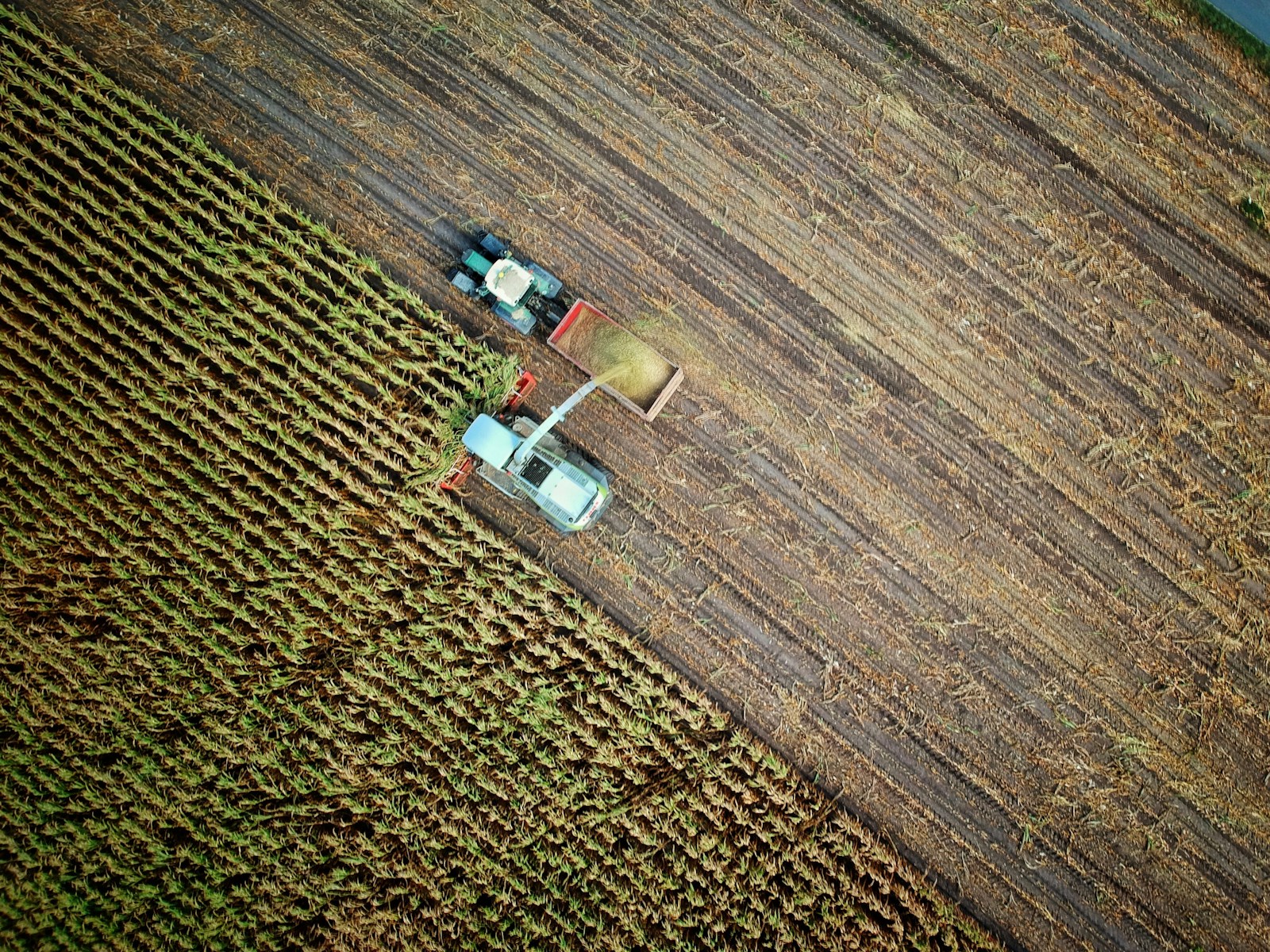
The threat of cyberattacks in the agribusiness industry is growing. The complexity of the agricultural supply chain makes the industry particularly vulnerable. The FBI typically considers us to be one of the six most targeted supply chains,” said Trey Malone, Boehlje Chair in Managerial Economics for Agribusiness at Purdue University.
“This is partly because of just-in-time logistics, specific harvest windows, and planting windows. In our industry, you cannot simply turn something on and off, which makes us a very high-value target for cyber criminals.”
Malone explained that the industry faces an uncertain market, but one certainty is that cybersecurity attacks will continue to escalate. Such attacks can lead to direct financial losses from ransom payments or operational downtime, which is a significant concern.
Agribusinesses are uniquely susceptible to cyberattacks for several reasons. Many small and mid-sized agribusinesses have not prioritized cybersecurity and often operate with outdated software and weak network security. The complex supply chains in agriculture mean a breach at any point can ripple across the entire system, disrupting operations and leading to financial losses.
Modern agribusiness relies on just-in-time production and delivery, leaving little margin for error. A cyberattack could lock up software or halt transportation, causing immediate and severe disruptions. Many agribusiness employees also lack training in recognizing phishing attempts, malware threats, or social engineering tactics, making organizations vulnerable to human error.
Cyberattacks can lead to direct financial losses from ransom payments, fraud, or theft. They can cause operational downtime, delaying production and distribution.
Agribusiness cybersecurity measures essential
Supply chain disruptions affect downstream businesses and consumers. Failing to protect sensitive customer and supplier data can result in regulatory fines and legal repercussions. Consumer trust in food safety and supply chain reliability can also be lost.
To strengthen cybersecurity, agribusiness leaders must take proactive steps. These include investing in cybersecurity infrastructure, implementing multi-factor authentication, conducting regular security audits, and providing employee training on safe practices. Developing incident response plans and collaborating with supply chain partners to uphold best practices is also important.
Small things you can do can make a big difference, such as password security, having a backup, and multi-factor authentication,” says police Det Supt Patrick Milford, director of the South East Cyber Resilience Centre. “If you don’t make that effort, it’s like leaving the window to your internet open. If people are hit, they generally don’t want to talk about it, so it doesn’t seem a real threat, but if you have a cyberattack, you’ll be dealing with the aftermath for six months.”
Measures to protect farm businesses include using separate, strong passwords for each account, changing default passwords, enabling two-factor authentication, keeping software and systems updated, using antivirus and firewalls, making regular data backups, securing all devices, and considering a VPN.
Specialist advice can help identify risks and suggest additional protections. Cybercrime should be reported to the relevant authorities. While cyber insurance can cover some impacts, it requires businesses to take protective measures to reduce risk.
As the agribusiness industry becomes increasingly digital, protecting digital infrastructure is as critical as safeguarding crops, livestock and supply chains. Proactive cybersecurity is essential to ensure a resilient food system for the future.
Image Credits: Photo by no one cares on Unsplash

April Isaacs is a news contributor for DevX.com She is long-term, self-proclaimed nerd. She loves all things tech and computers and still has her first Dreamcast system. It is lovingly named Joni, after Joni Mitchell.