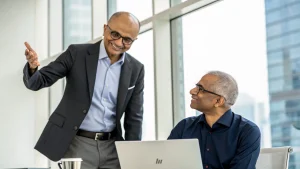
Read AI chief executive David Shim offered a measured view of the artificial intelligence rush in a conversation with GeekWire’s John Cook, pointing to strong core demand and warning of hype at the edges. The discussion, held this week, centered on how teams are adopting AI assistants, the push for tools that work across devices and services, and the emerging idea of “digital work twins.” The exchange highlighted new opportunities and raised fresh questions about privacy, control, and the future of work.
Strong Demand, With Pockets of Hype
Shim described a market where sales growth and user interest are real, but not every new feature or startup will last. He characterized the moment as one of confidence tempered by caution. The message: focus on tools that solve daily problems for workers and managers.
“Solid fundamentals with some froth at the edges.”
That framing reflects an industry pattern seen in past tech cycles. Companies lean into practical gains first. Early experiments draw attention, then many fade as customers choose stable products with clear returns.
Why AI Assistants Are Gaining Ground
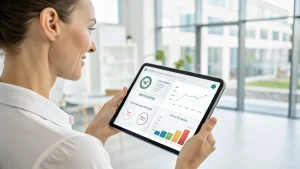
AI assistants are moving from trials to daily use, Shim said. Teams want help with meeting notes, action items, and follow-ups. They also want help searching across documents and chats. Simpler tasks show value fast and build trust.
Workers prefer assistants that fit into existing tools. Integration matters. If an assistant can schedule a meeting, file a summary, and ping a teammate, it sticks. That is where much of the real demand sits today.
Cross‑Team Intelligence and Multi‑Platform Tools
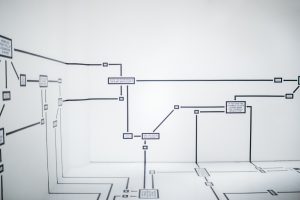
Shim emphasized the rising value of tools that “see” across departments. Sales, support, and product teams often act on different facts. AI can pull signals from meetings, email, and ticketing systems to flag risk or surface wins.
He also stressed the need to run across platforms. Modern work happens in browsers, mobile apps, and chat. A tool that works the same way in each setting makes adoption easier and reduces training time.
The Promise and Risk of Digital Work Twins
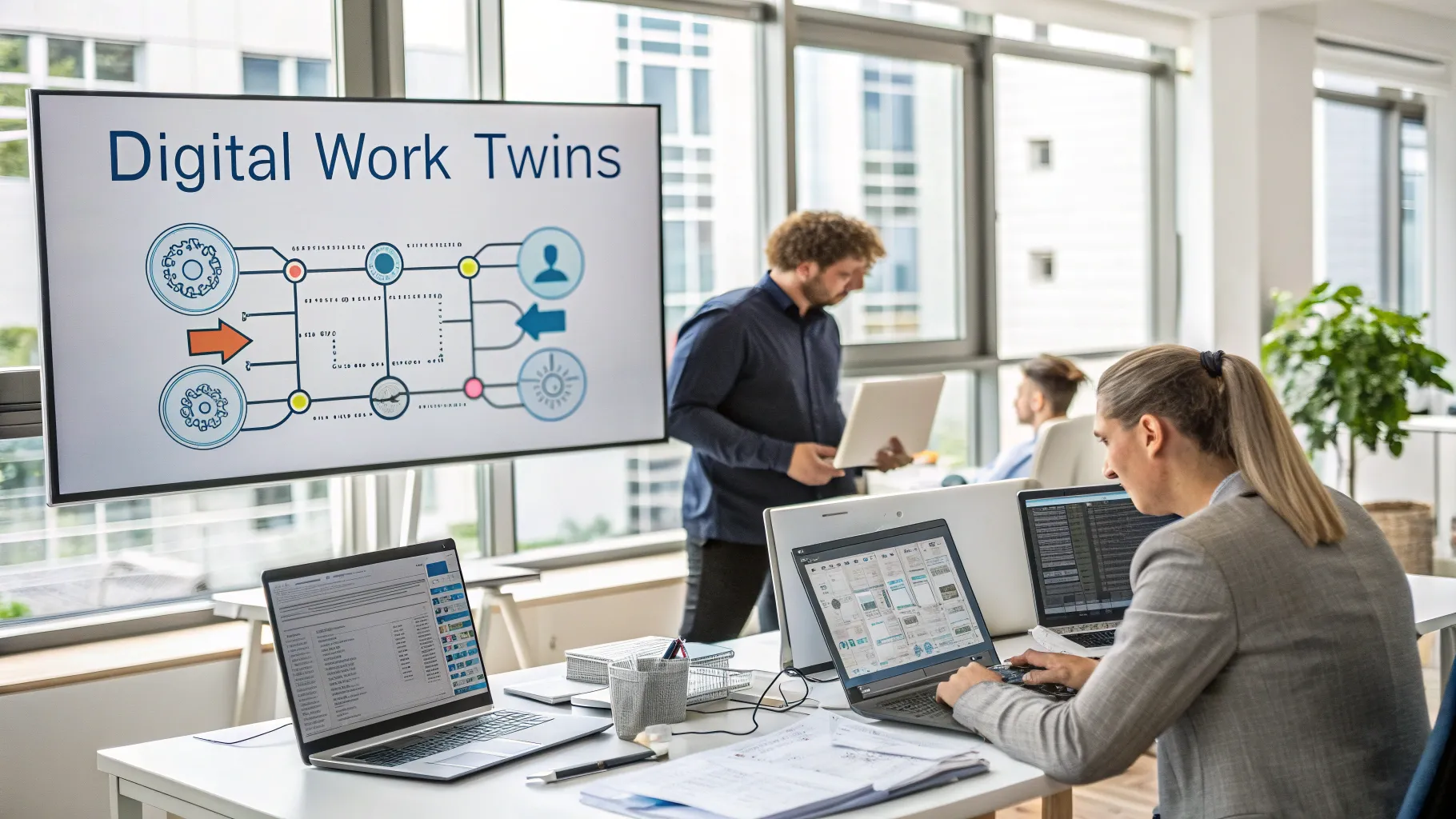
The most provocative idea was the “digital work twin.” In this model, an AI agent mirrors a person’s tasks. It attends meetings, drafts messages, follows checklists, and keeps context over time. Supporters see speed and consistency. Critics see surveillance and job drift.
“The potentially controversial emergence of digital work twins.”
Shim acknowledged both sides. Trust depends on consent, clear settings, and audit trails. Workers need to know what is captured, who can see it, and how to turn it off. Managers need guardrails to prevent misuse.
Governance, Privacy, and Control
Any system that records work needs rules. That includes retention policies, access controls, and redaction by default. Organizations will need ways to keep personal data out of shared models. They will also need proof that data stays where it should.
Legal teams will press for clear logs. Security teams will ask for isolation of sensitive projects. HR will focus on transparency and fairness. Without these, even helpful tools will face pushback.
What It Means for Business Buyers
Buyers are asking for outcomes they can measure. Time saved per task. Fewer missed follow-ups. Faster onboarding. Tools that deliver these will win renewals. Flashy demos will not be enough.
- Pick use cases with clear owners and metrics.
- Favor integrations with core systems and chat.
- Pilot with consent and strong access controls.
- Set retention limits before wide rollout.
Shim’s view suggests a practical path. Start with assistants that reduce busywork. Add cross-team summaries where data sharing already exists. Evaluate digital work twins only after policies are in place and users opt in.
The discussion closed on a cautious note. AI at work is moving fast, but the durable gains are simple: better notes, clearer follow-ups, and shared context. The next test is whether companies can scale those gains without eroding trust. Watch for tighter governance, more cross-platform features, and early, limited trials of work twins. The winners will prove value, preserve privacy, and adapt as teams push for tools that help, not hover.

Senior Software Engineer with a passion for building practical, user-centric applications. He specializes in full-stack development with a strong focus on crafting elegant, performant interfaces and scalable backend solutions. With experience leading teams and delivering robust, end-to-end products, he thrives on solving complex problems through clean and efficient code.