The surge in artificial intelligence is squeezing critical resources and rattling supply chains across tech. As companies race to build larger models and new services, they face pressure over electricity use, fresh water needs, investor spending, and now a tight market for memory chips used by everyday electronics.
The AI industry consumes vast amounts of energy, fresh water and investor cash. Now it also needs memory chips – the same ones used in laptops, smartphones and games consoles.
That tension is reshaping plans from data center operators to consumer device makers. It is pushing questions about costs, environmental impact, and availability of key parts to the center of the debate. The stakes are high because any shortage or spike in prices can slow growth across the sector.
The New Bottleneck: Memory Supply
AI training and inference demand immense memory capacity and speed. That need often falls on high-bandwidth memory and advanced DRAM. These are also essential in laptops, phones, and game consoles, creating direct competition for parts.
Chipmakers can add production, but that takes time and money. Shifts in output can ripple into the consumer market. When orders swing to data centers, PC makers and phone brands can face higher prices or delays. Retail buyers may see fewer discounts or longer wait times for new devices.
Industry strategists warn that even short mismatches between supply and demand can feed price swings. Companies that rely on predictable memory costs now face more volatile planning cycles.
Energy and Water Pressures Mount
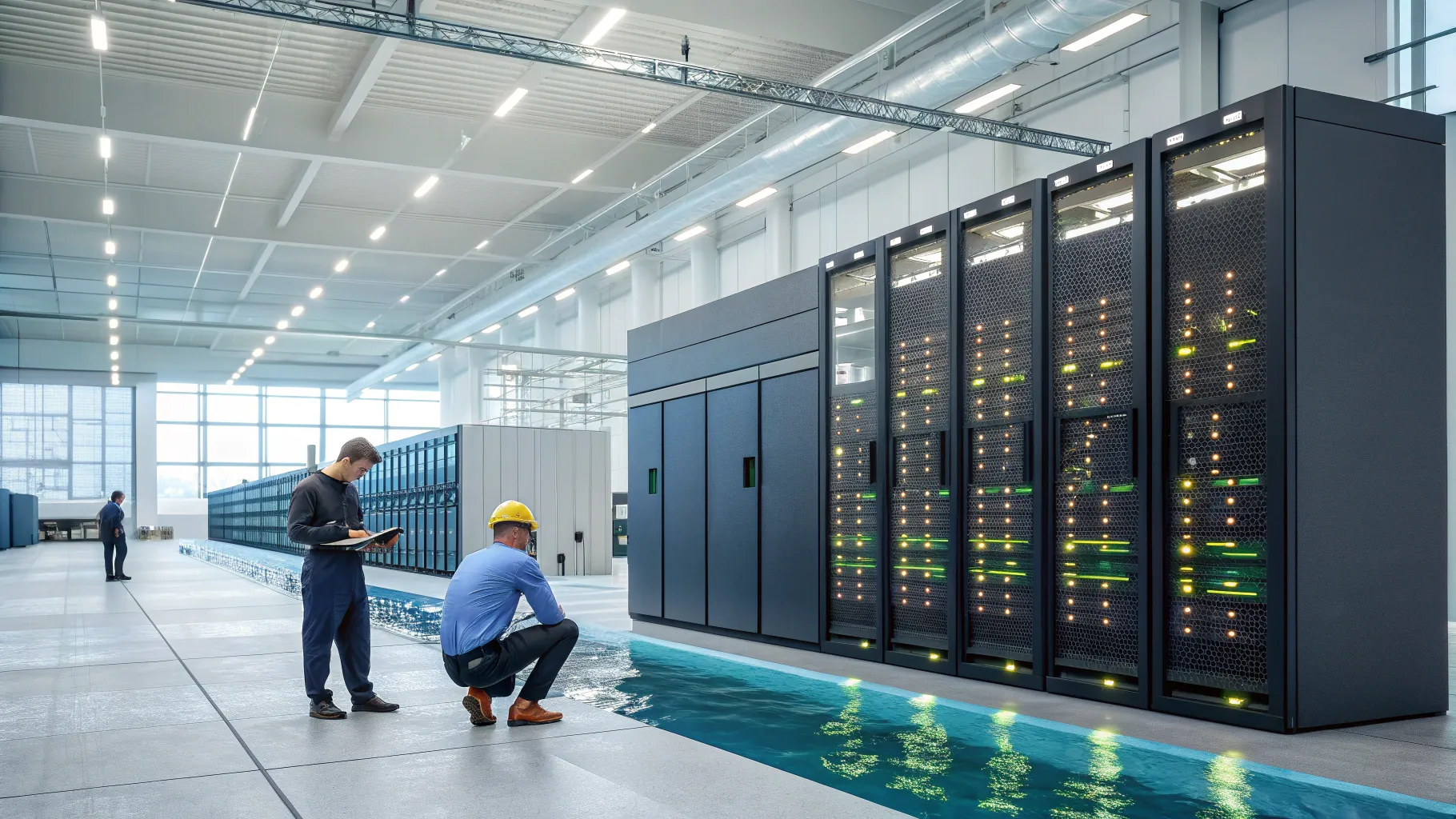
AI workloads need large data centers with strong power supplies and effective cooling. That drives high electricity consumption. It also raises questions about grid capacity and the mix of energy sources used to support growth.
Cooling systems often use fresh water, adding strain in regions already dealing with drought or tight resources. Community groups and local officials are asking for clearer reporting and stronger safeguards. Operators respond that new designs and efficiency gains can reduce use, but those upgrades take time to deploy at scale.
Environmental advocates argue that siting decisions should weigh water risk, heat reuse, and renewable energy access. Utilities and regulators are being pushed to assess long-term demand from AI alongside housing and industry needs.
Consumer Devices Face Ripple Effects
Competition for memory chips can spill into the consumer market. PC and phone makers depend on steady DRAM and NAND supply to hit release schedules and price points. If data centers pre-buy capacity, device launches can shift and cost structures can change.
Gaming consoles are sensitive to memory pricing. When memory is scarce, manufacturers may trim features or delay upgrades. The result can be slower innovation cycles for mainstream products while enterprise demand soaks up parts.
- Device makers may face costlier bills of materials.
- Retail prices and promotions could swing more often.
- Refresh cycles might lengthen if supply stays tight.
Investor Cash and Business Models
AI growth has been fueled by heavy spending on chips, data centers, and engineering talent. Backers expect rapid revenue growth from software, cloud services, and enterprise tools. Yet the resource burden is steep, and profitability timelines are moving targets for many projects.
Some investors now weigh returns against higher operating costs and supply risks. If memory prices rise or power constraints slow buildouts, forecasts may need revision. Companies that can raise efficiency, reuse models, or lower inference costs could gain an edge.
Paths to Relief and Remaining Risks
Suppliers plan capacity expansions and new packaging methods to increase memory output. Data center operators are testing liquid cooling, heat recovery, and siting near renewable energy sources. Software teams are working on model compression and smarter routing to cut compute and memory needs.
These steps could ease pressure, but they require coordination across the stack. If AI demand keeps climbing faster than supply can scale, shortages and higher prices may return in cycles. The balance between enterprise needs and consumer devices will remain delicate.
AI’s rapid ascent has collided with physical limits on power, water, and chips. The core challenge is simple: growth must match real-world constraints. The next phase will test whether the industry can expand while using fewer resources per unit of compute.
Watch for three signals in the months ahead: memory pricing trends, utility agreements for new data centers, and shipment timelines for major consumer devices. These will show whether pressure is easing or building. For now, the push to feed AI models is reshaping priorities across tech, from the factory floor to the living room.

Deanna Ritchie is a managing editor at DevX. She has a degree in English Literature. She has written 2000+ articles on getting out of debt and mastering your finances. She has edited over 60,000 articles in her life. She has a passion for helping writers inspire others through their words. Deanna has also been an editor at Entrepreneur Magazine and ReadWrite.